By James
Kenya must urgently safeguard human rights, institutional independence, and public trust ahead of the 2027 General Election to avoid sliding into electoral chaos and democratic decline, a lobby group has warned.
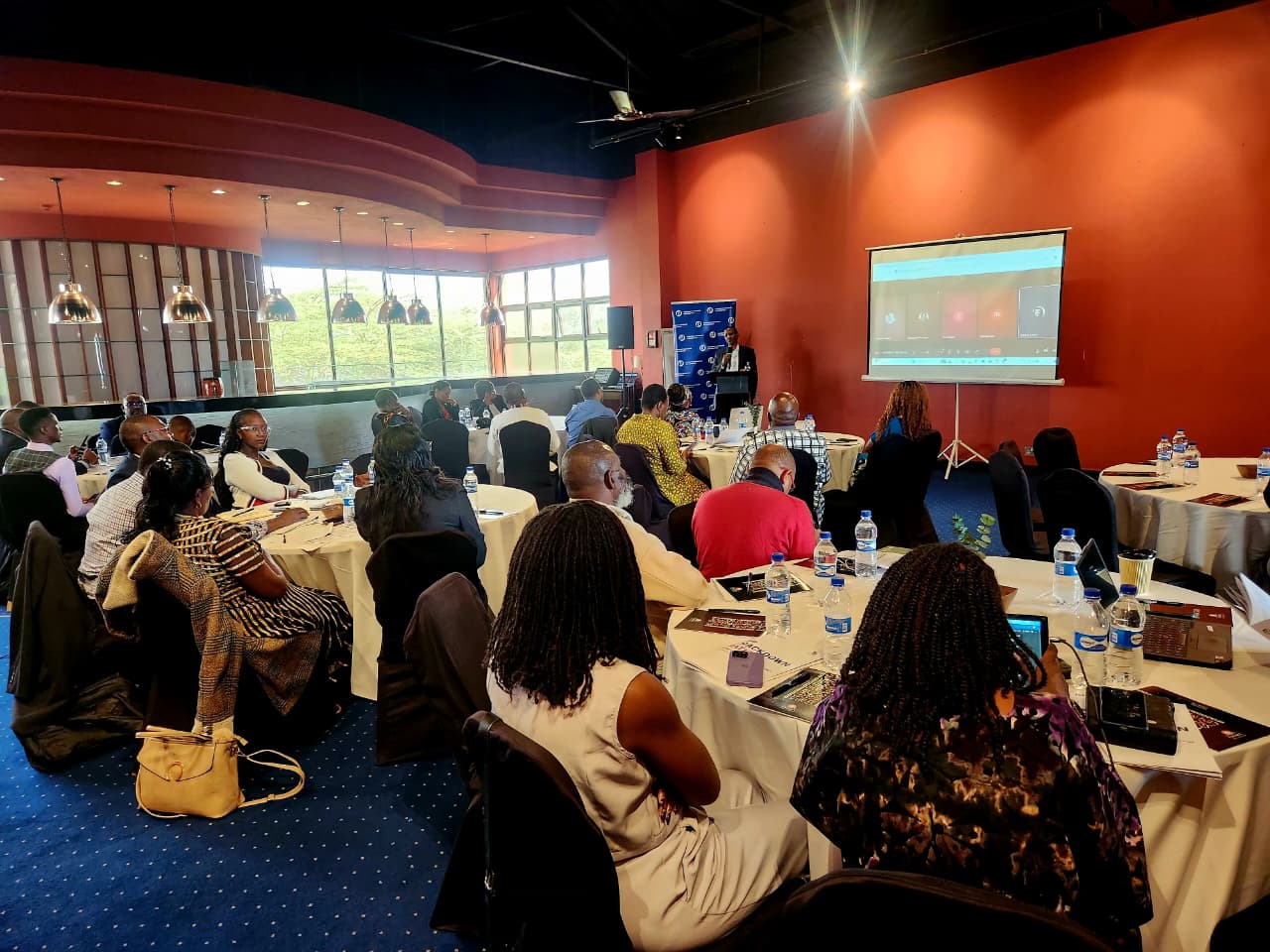
Speaking at a symposium organized by Chapter Four Programs and Projects and the Friedrich Naumann Foundation, speakers stressed that compromised institutions and rights violations invalidate election results, regardless of procedure. Key concerns raised were rushed technology deployment, political violence, a lack of accountability for perpetrators, and a continental trend of democratic erosion driven by misconduct and “perpetual campaign mentality.” Experts underscored that credible elections require upholding the Constitution and safeguarding freedoms well before polling day.
Former Independent Electoral and Boundaries Commission chairperson and current Independent Policing Oversight Authority chair, Isaack Hassan, cautioned that elections conducted in environments where human rights are violated and institutions are compromised cannot yield credible outcomes. Drawing on Kenya’s electoral history and lessons from conflict affected states, Hassan warned that elections may proceed procedurally but lack legitimacy where public trust, territorial control, and independent oversight are absent.
He stressed that electoral bodies must never operate without effective checks and balances, warning that once public confidence is lost, citizens are left without meaningful avenues for redress. Hassan also cautioned against the rushed deployment of election technology without adequate piloting, citing past experiences where partial technological failures severely undermined public trust and fuelled suspicion. He advised against last minute legal or technological changes close to polling day, emphasising that election management is about upholding the Constitution, not policing political actors in deeply polarised environments.
“As Kenya looks toward 2027, credible elections begin long before ballots are cast,” Hassan said, underscoring the centrality of protecting human rights, safeguarding institutions, and ensuring transparency in vote counting.
Lawyer and former Director of the Kenya Anti Corruption Commission, Prof PLO Lumumba, said that while many African states possess progressive constitutional frameworks, their promise is routinely undermined by conduct. He warned that constitutional erosion rarely occurs through formal repeal but through the gradual normalisation of misconduct, political complacency, and civic apathy.
Lumumba criticised what he described as a perpetual campaign mentality, where leaders prioritise winning the next election over long term governance, human rights protection, and socio economic development. Across the continent, he observed, elections have increasingly become moments of fear and instability rather than democratic renewal, driven by ethnic mobilisation, transactional politics, and disregard for constitutional values. In such contexts, he argued, elections cease to reflect the popular will and instead become flashpoints for division and abuse.
Evans Ogada, Chair of the Rule of Law Committee at the East Africa Law Society, cited violence, intimidation, and voter apathy witnessed during recent by elections as early warning signs. He cautioned that failure to confront these trends could result in “shambolic and sham elections” in 2027, with far reaching consequences for democracy and national security.
Ogada called for impartial enforcement of electoral laws, noting that perpetrators of political violence are often well known yet rarely held accountable. He urged election officials to uphold their constitutional oaths, resist political interference, and remain firm in defending the Constitution, warning that history and potential criminal sanctions would judge those who fail in their duty.
Placing Kenya’s situation within a broader regional context, Chapter Four Chief Executive Officer Njeri Kabeberi pointed to troubling electoral trends across East Africa marked by repression, arrests of opposition leaders, and shrinking civic space. She warned that Kenya cannot afford complacency, particularly following the violent crackdown on protests during the Gen Z uprisings of 2024 and 2025, arguing that violations of constitutional freedoms during peacetime raise grave concerns about what could unfold in the pre election period.
“When the government is silent, citizens must speak out,” Kabeberi said, urging civil society, human rights defenders, and peace builders to reassert their role in safeguarding democracy. She described Kenya as a regional anchor whose stability is critical to the wider East African Community.
Recent developments in neighbouring Tanzania were cited as a stark warning for the region. October’s disputed elections reportedly triggered post election violence that left at least 700 people estimated to have been extrajudicially killed following allegations of electoral irregularities, suppression of opposition parties, and widespread police intimidation. Security forces responded to protests with gunfire, tear gas, and curfews, prompting international concern and travel warnings from several foreign governments.
The opposition party Chadema has claimed that between 1,000 and 2,000 people were killed during the unrest, a figure which, if confirmed, would represent the deadliest electoral violence in Tanzania’s history. In November 2025, a CNN investigation reported that police and armed forces fired on protesters, many of whom were unarmed or carrying only stones and sticks. While the Tanzanian government has acknowledged that people died, it has not released an official death toll.
In Uganda, participants noted an accelerating clampdown on civic space as civil society organisations face tighter regulations and heightened surveillance aimed at curbing their ability to engage with or comment on the political process ahead of next year’s elections. At the same time, the regime has been accused of exploiting the power of incumbency by mobilising state resources for President Yoweri Museveni’s campaign, manipulating public institutions, and restricting access to media and public spaces to entrench the dominance of the ruling National Resistance Movement and suppress dissent.
Museveni, now 80 years old and in power for four decades, is poised to seek a seventh consecutive term after being nominated in July 2025 as the sole candidate to represent the NRM in January 2026 elections.