By East Africa Journal Team
Ugandan President Yoweri Museveni has sparked outrage across the region after warning of potential wars in the East African Community (EAC) to secure Uganda’s access to the Indian Ocean, a statement widely interpreted as a veiled threat against Kenya.
Speaking during a campaign radio interview in Mbale City, Museveni said it was “madness” for landlocked countries like Uganda to be denied access to the sea, insisting that the Indian Ocean “belongs” to him because of his country’s economic and security interests.
“Even if you want to build a navy, how can you do so without access to the sea? That ocean belongs to me because it is my ocean. I am entitled to it. In future, we are going to have wars,” Museveni declared. His remarks were seen as a direct swipe at Kenya, which remains Uganda’s main trade and logistics corridor to global markets.
Rising tensions over sea access
Museveni’s outburst mirrors tensions elsewhere in the region, with Ethiopia and Somalia already embroiled in a dispute over maritime access. In early 2024, Addis Ababa signed a controversial port and security deal with Somaliland, a move Mogadishu condemned as a violation of its sovereignty. Ethiopia defended the agreement as a matter of national necessity.
Echoing this logic, Museveni accused African leaders of maintaining an “irrational political order” that leaves landlocked countries economically disadvantaged.
He expressed deep frustration with Kenya over what he termed endless delays in implementing projects designed to facilitate Uganda’s trade routes, such as the Eldoret to Kampala oil pipeline and the railway network.
“You are stuck. How do I export my products? That is why we have had endless discussions with Kenya, the railway, the pipeline, but that ocean belongs to me,” Museveni said, reiterating his claim of entitlement to the Indian Ocean.
Oil pipeline dispute
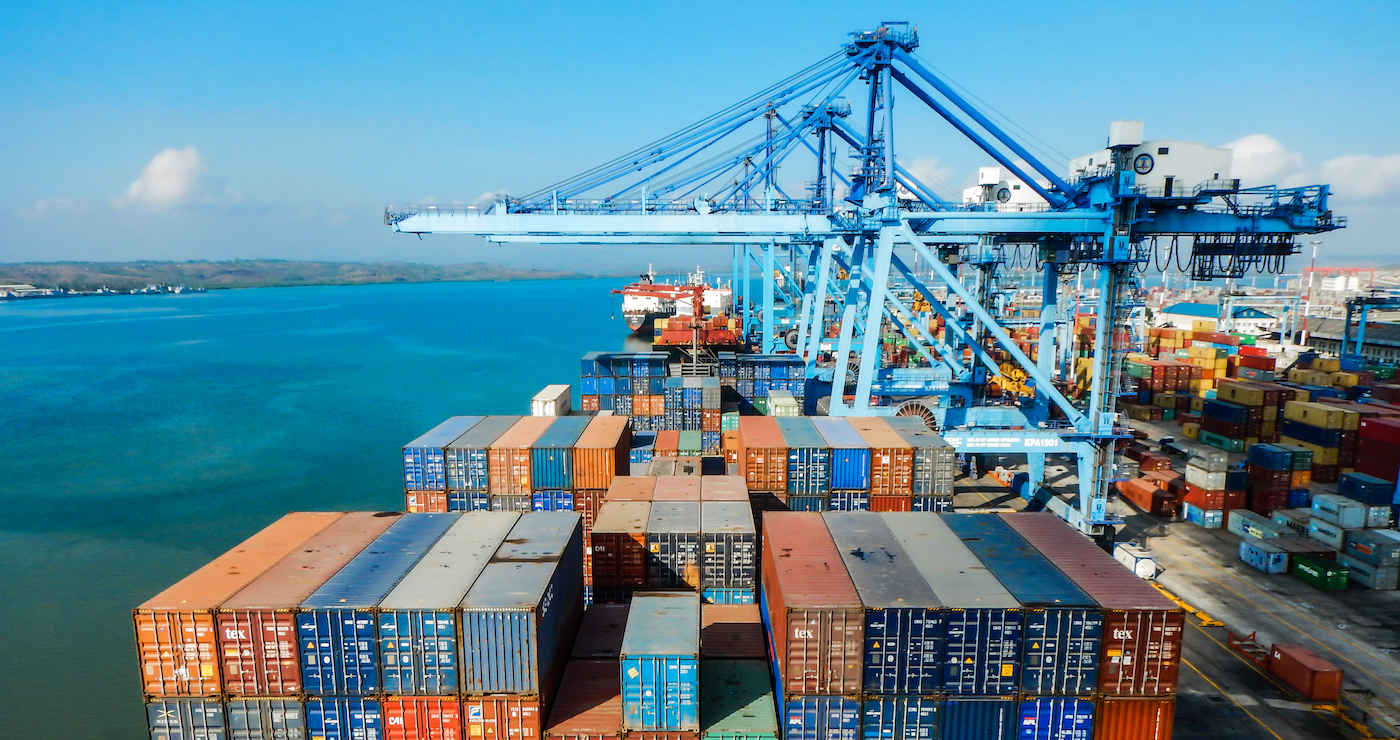
The two neighbours have had recurring trade tensions, including a protracted standoff over Uganda’s right to import refined petroleum products through Kenya. In March last year, President William Ruto’s administration agreed to license the Uganda National Oil Company (UNOC) to import oil directly via Mombasa, using Kenya’s pipeline infrastructure. The move followed a legal dispute that saw Uganda sue Kenya at the East African Court of Justice.
The leaders also agreed to jointly extend the Eldoret to Kampala oil pipeline to cut fuel costs and improve supply efficiency. However, the project remains stalled, prompting Museveni’s renewed criticism. Analysts interpret his remarks as both a campaign tactic and a strategic warning to Nairobi as Uganda heads to elections in January 2026.
Political motives and security implications
Museveni, Africa’s longest-serving leader, tied his argument to the need for deeper regional integration, saying shared access to resources would avert future conflicts. “How can you say that the compound only belongs to the ground-floor flats? It belongs to everyone,” he argued, comparing the EAC to an apartment block where all members should benefit equally.
Political analysts, however, view his comments as provocative. Analyst Martin Andati said the remarks signalled that Museveni might consider military confrontation if Uganda’s access to the ocean were ever blocked. He said the statement reflected Uganda’s long-standing arrogance toward Kenya, citing earlier provocations such as Gen Muhoozi Kainerugaba’s 2022 tweet claiming Ugandan forces could capture Nairobi within two weeks.
The new remarks have also reignited the Migingo Island dispute, where Ugandan security officers have repeatedly clashed with Kenyan fishermen. Although both countries signed a joint fishing framework in 2025 to ease tensions, Uganda’s continued police presence on the island remains contentious.
As Museveni campaigns for a seventh term, his fiery rhetoric risks destabilising Kenya–Uganda relations and fuelling fears of regional conflict, with the Indian Ocean now emerging as the latest flashpoint in East Africa’s shifting geopolitics.