By Editor
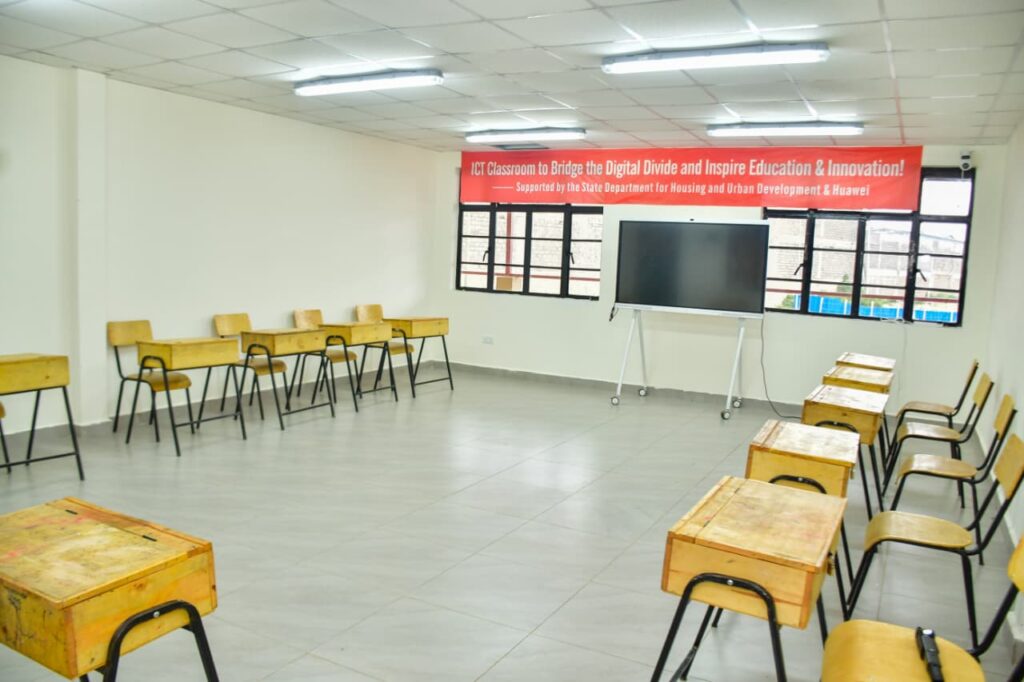
Huawei has strengthened its commitment to advancing digital inclusion in Kenya through the donation of broadband equipment to an ICT Hub classroom at New Mukuru Primary School, located within the Mukuru Affordable Housing Project.
The initiative introduces a low-cost, easy-to-deploy internet infrastructure solution known as DQ-ODN, designed to expand connectivity in underserved communities. The system, which is Safaricom-enabled, offers entry-level unlimited home fiber access from KES 800 per month, making it between 50 and 70 percent more affordable than conventional packages.
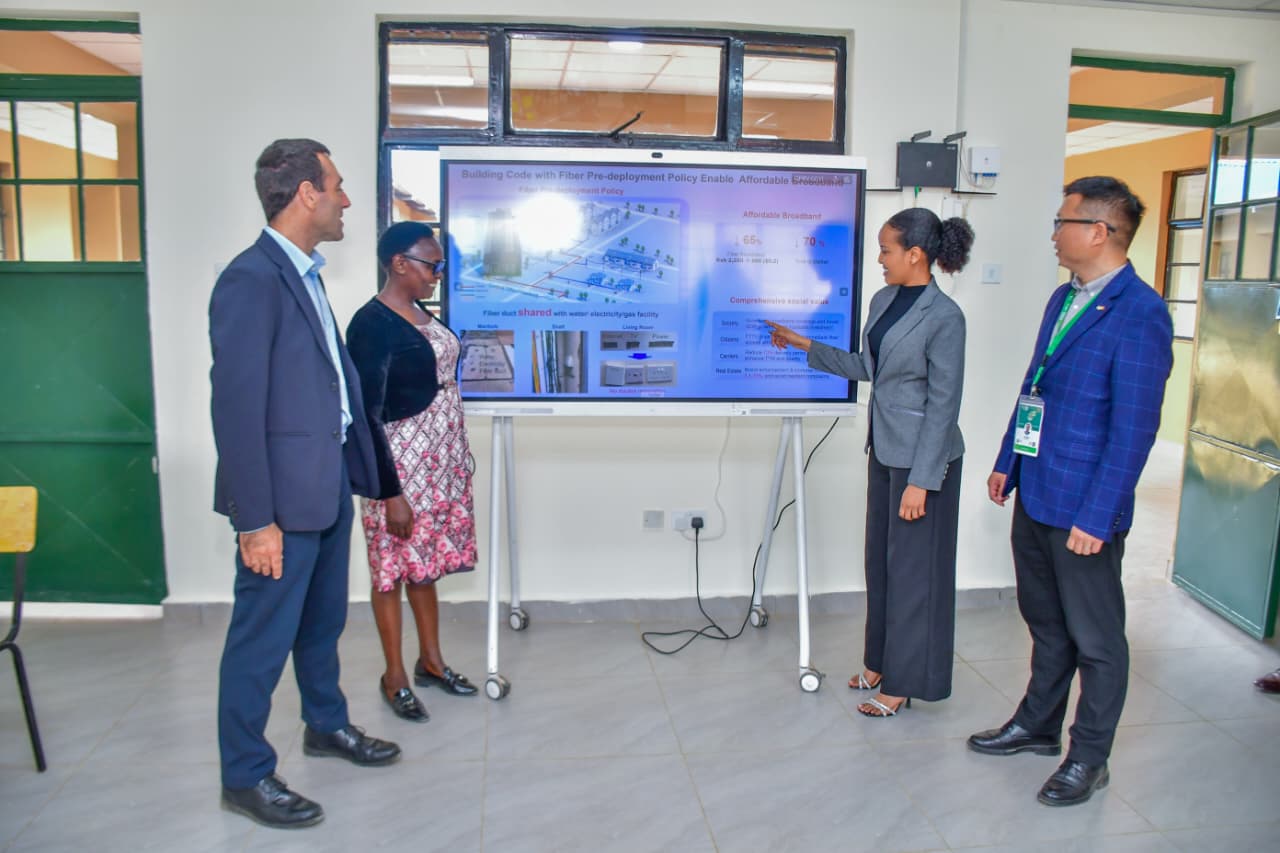
The donated equipment includes a fiber-to-the-office solution, five Wi-Fi 7 access points capable of supporting high device volumes and speeds, two CCTV security cameras, and an IdeaHub smart screen. Together, these technologies are expected to significantly enhance connectivity, safety, and digital learning opportunities for one of Nairobi’s fastest-growing urban communities.
Speaking during the handover, Freshina Morogo, ICT Manager at Huawei, emphasized the transformative power of connectivity.
“At Huawei, we believe connectivity is the foundation of opportunity. By supporting the Mukuru community with digital infrastructure and tools, we are not only connecting homes but enabling access to education, livelihoods, and a better quality of life. This initiative reflects our long-term commitment to building inclusive digital ecosystems across Kenya,” she said.
As Kenya accelerates the rollout of affordable housing, attention is increasingly shifting beyond physical structures to access to opportunity. Reliable internet connectivity is now essential for education, employment, digital finance, and access to government services.
Huawei’s intervention aligns with its global digital inclusion agenda under the Tech4All initiative and builds on commitments announced at the Mobile World Congress 2026 to connect 170 million people worldwide by 2030.
The Mukuru Affordable Housing Project reflects a growing trend of integrating digital infrastructure into urban development from the outset. Recent reforms to Kenya’s building codes, which require fiber-ready infrastructure in new developments, further highlight the importance of embedding connectivity during construction.
This approach mirrors global best practices championed by the International Telecommunication Union, promoting inclusive and future-ready cities where digital access is treated as a basic utility.
According to Huawei, the donated equipment will deliver immediate benefits to over 500 learners and nearby residents. Reliable Wi-Fi connectivity is expected to unlock access to online learning, digital work opportunities, and e-government services, particularly for young people seeking to build market-relevant skills.
In addition, the installation of CCTV cameras will enhance safety within the community, supporting a more secure environment for families and small businesses. The IdeaHub smart screen will also enable interactive, digital-first learning experiences, transforming the ICT hub into a center for innovation and skills development.
The initiative underscores the broader vision of Kenya’s Affordable Housing Programme, which aims to promote dignity, inclusion, and opportunity. By embedding digital infrastructure into these developments, stakeholders are ensuring that residents are not left behind in the country’s digital transformation.
The project also contributes to the United Nations Sustainable Development Goals, particularly those focused on quality education, industry and infrastructure, reduced inequalities, and sustainable cities.
As African cities continue to expand, Mukuru is emerging as a model for integrating housing, connectivity, and community empowerment. Huawei says it will continue working with government and private sector partners to scale similar initiatives across Kenya and the wider continent, helping bridge the digital divide and unlock inclusive growth.