By Jameson
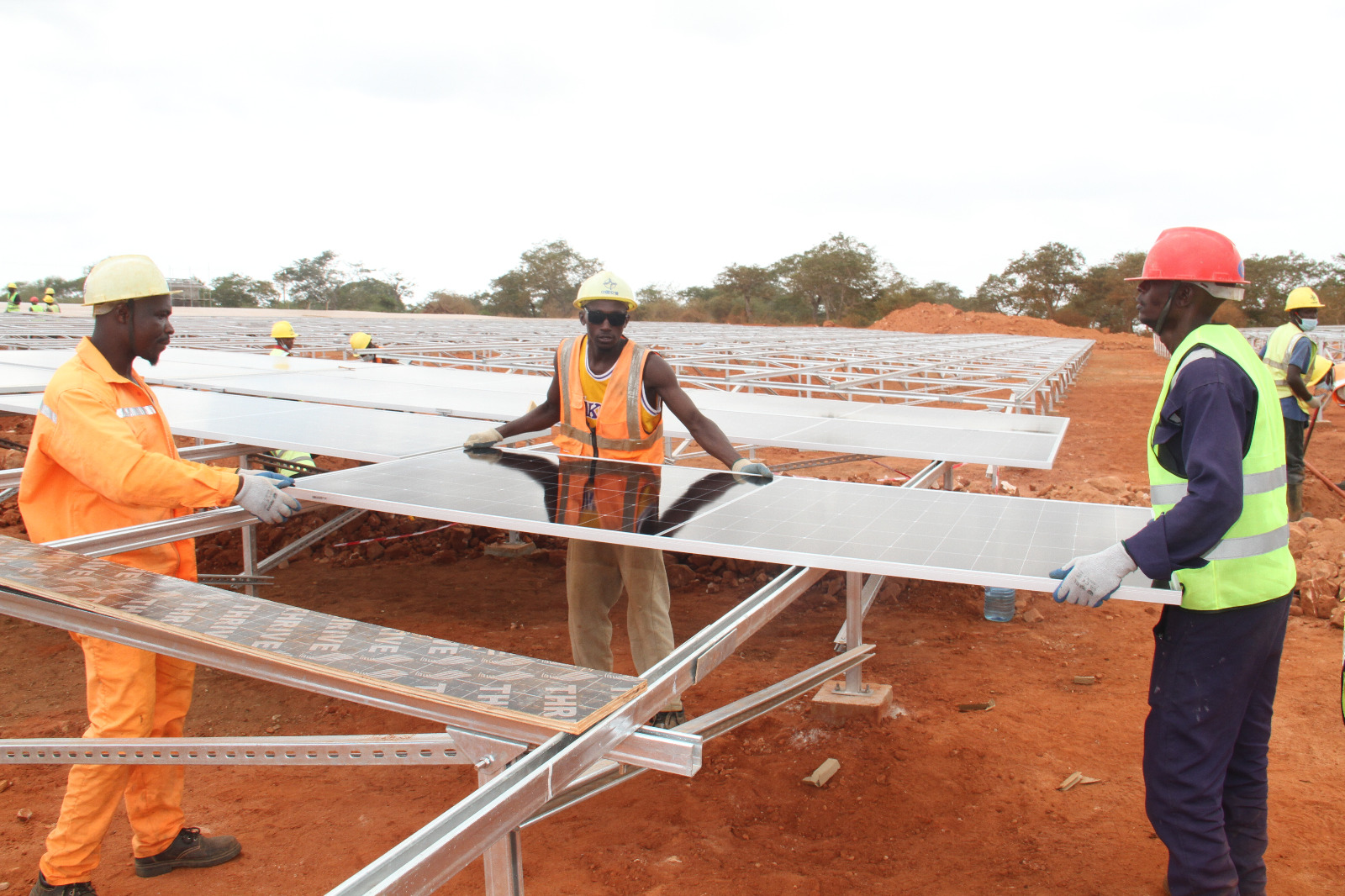
A major solar power project designed to reduce electricity costs and improve the sustainability of water supply operations at the Coast is nearing completion in Malindi, with commissioning of the first phase expected before the end of the month.
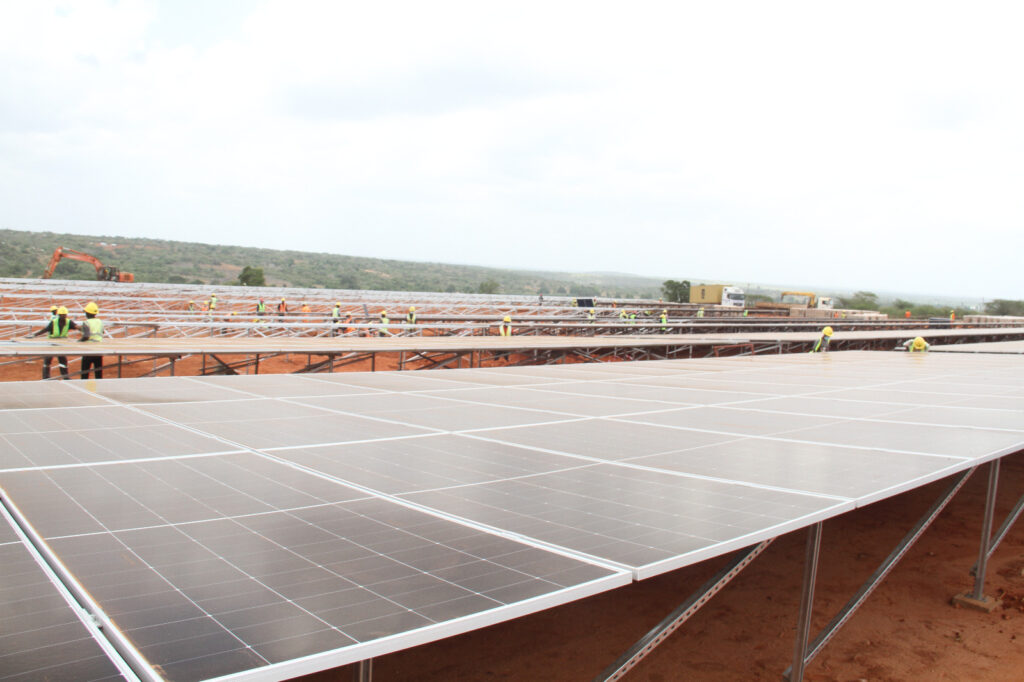
Solar engineer Serah Mbwaya said the project, which is the first of its kind for the facility, is currently about 60 percent complete and progressing ahead of schedule. She noted that the initial phase will be commissioned by the end of January, while the remaining works are expected to be completed by mid February.
“This project is meant to cut operational costs for Coast Water by reducing the cost of pumping water,” Mbwaya said. “Once operational, it will help the organisation become more profitable and sustainable while also supporting the shift to green energy and environmental protection.”
Mbwaya explained that the system uses solar panels with a lifespan of more than 25 years, supported by a small lithium ion battery bank to stabilise power during short interruptions such as passing clouds. The batteries, she said, are expected to last between 10 and 15 years.
She added that the project team is awaiting the full rollout of net metering regulations by the Ministry of Energy, which would allow excess power generated during the day to be fed into the national grid and drawn back when needed. “Once net metering is implemented, the system can support more continuous operations beyond daylight hours,” she said.
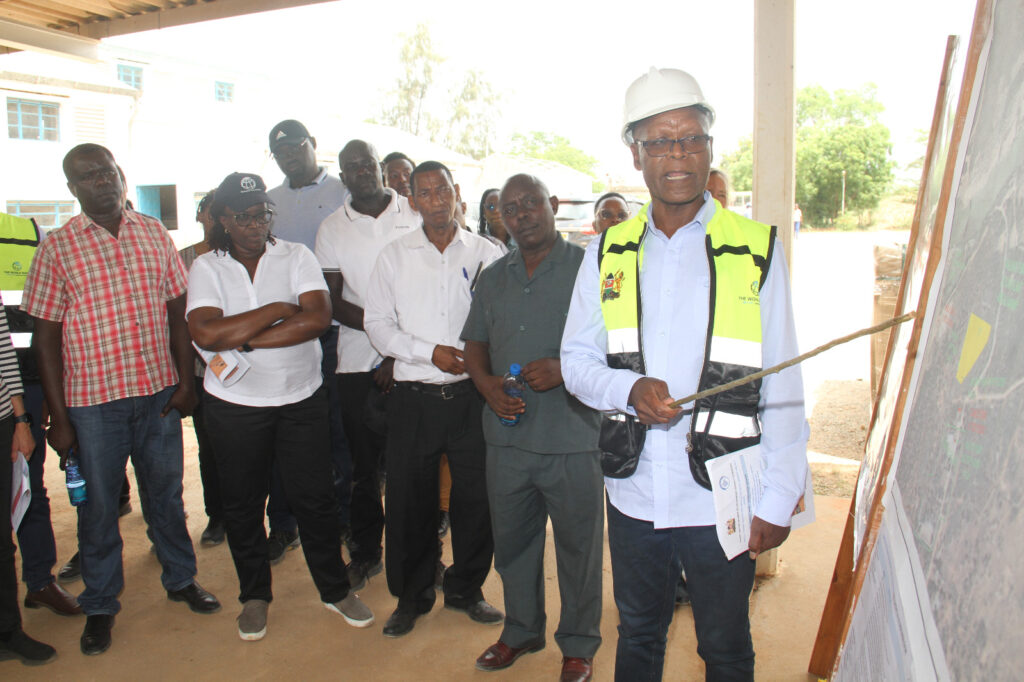
The project coordinator for the Coast Water Implementing Agency, David Kanui, said the solar plant is a strategic response to the high electricity bills that have long burdened water pumping operations in Kilifi and Mombasa counties.
“This water is pumped from boreholes and then pumped again to consumers in Mombasa and Kilifi. Because of this, our power bills have been extremely high, currently averaging about 60 million shillings per month,” Kanui said.
He explained that the project is being financed by the World Bank under the Water and Sanitation Development Project, following negotiations to support a transition to solar energy. The solar power plant has a total capacity of 4.6 megawatts and will power 11 boreholes as well as the Malindi high lift pumping system under the first phase.
According to Kanui, completion of the current phase is expected to reduce the monthly power bill by about 10 million shillings, savings that will ultimately benefit water companies and consumers. He added that future phases will further expand capacity to support water pumping to Mombasa, subject to additional donor financing.
“At the moment, we operate on solar for about eight hours during the day and rely on the national grid for the remaining hours,” he said. “As we expand and adopt new technologies such as battery storage, we aim to further reduce our dependence on grid power.”
The project began in October 2025 and is officially scheduled for completion by March 31, 2026. However, Kanui said the contractor is ahead of schedule and has indicated the works could be finalised by February 15. The total cost of the project is Kenya Shillings 670 million.
Once fully operational, the solar power plant is expected to significantly lower energy costs, enhance reliability of water supply and position Coast Water as a leader in sustainable infrastructure development.