By Jameson
The Kenya Medical Research Institute has reaffirmed its decades-long partnership with the Japan International Cooperation Agency, unveiling plans for a major new research facility aimed at strengthening Kenya’s capacity to respond to public health emergencies.
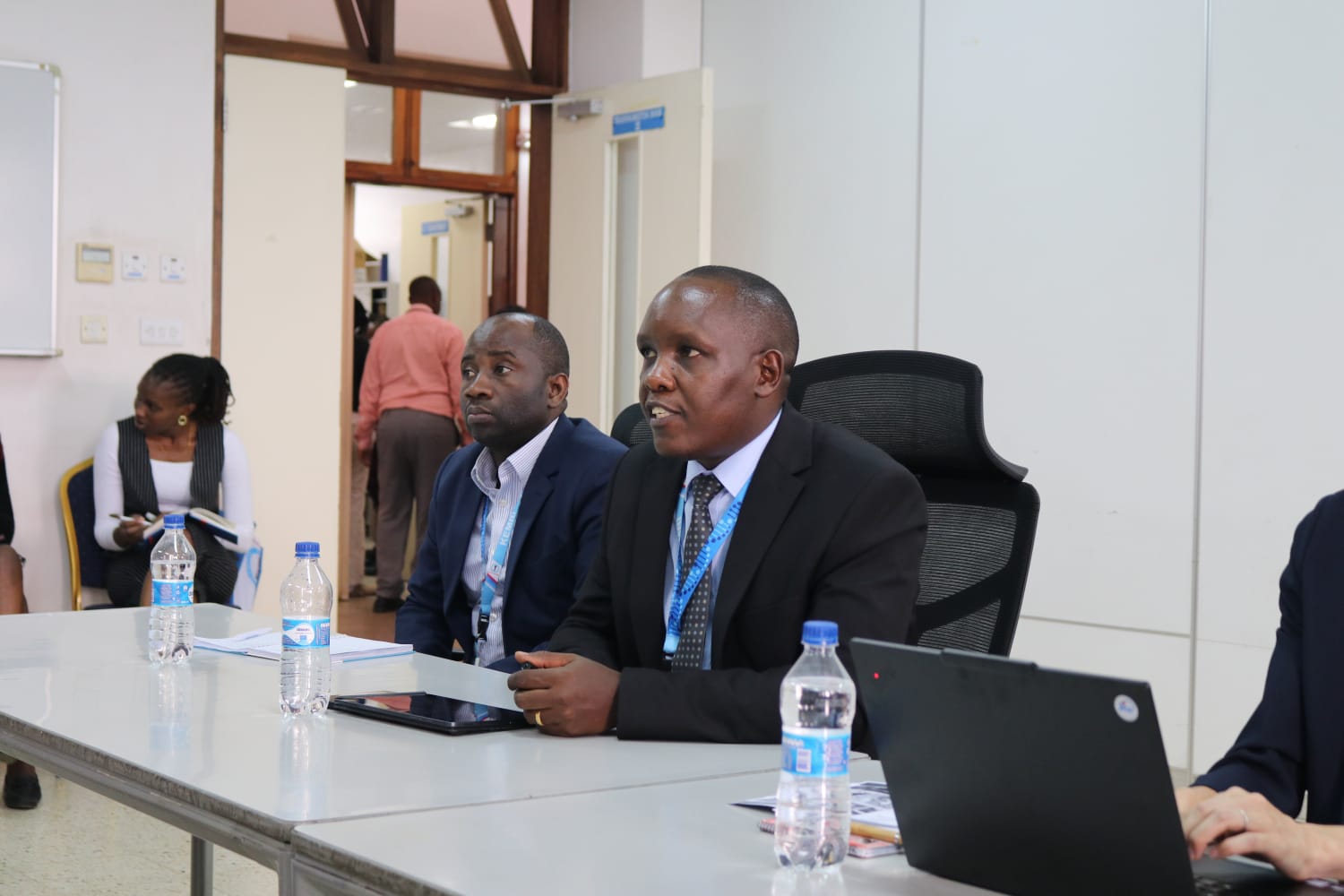
Speaking during a press tour, Principal Research Scientist Dr Martin Bundi said a KSh 2.5 billion grant from JICA will support the construction of a state-of-the-art research complex at KEMRI headquarters in Nairobi. The facility will house Biosafety Level 3 and Level 2 laboratories, high-containment units, a data centre for advanced disease modelling and prediction, a warehouse, shared laboratory spaces and a conference centre.
The project is designed to enhance KEMRI’s ability to respond swiftly and effectively to emerging and re-emerging infectious diseases. KEMRI will serve as the executing agency under the supervision of the Ministry of Health, in collaboration with JICA and the Government of Japan.
Preliminary surveys and regulatory approvals have already been completed, designs finalised and the contract award process is underway. Construction is expected to take approximately 18 months once work begins.
Bundi noted that collaboration between KEMRI and JICA dates back to the institute’s formative years, including support from the Government of Japan for the construction of KEMRI headquarters, completed in 1985. Over the years, the partnership has expanded to include the establishment of laboratories in immunology, parasitology and bacteriology, as well as specialised training programmes in biosafety and infectious disease control.

Key milestones include the establishment of a Biosafety Level 3 laboratory and the strengthening of regional training programmes that have benefited participants from more than 20 countries. The partnership has also supported Kenya’s national school deworming programme and enhanced capacity in research administration and workforce development.
Looking ahead to 2026 and beyond, KEMRI and JICA are set to roll out a new technical cooperation project focused on human resource development, with emphasis on vaccine bio-manufacturing and advanced research skills.
Among the notable outputs of the collaboration are the development of rapid diagnostic kits for diseases such as hepatitis B and HIV, production of viral transport media and sanitizers during the COVID-19 pandemic, and advancement of natural plant-based therapies and biofortified nutrition products.
Bundi said the partnership has significantly strengthened Kenya’s health systems through improved infrastructure, enhanced diagnostic capacity, biosafety training and the development of a highly skilled workforce capable of responding to public health emergencies. It has also contributed to evidence-based policymaking, with KEMRI working closely with the Ministry of Health to generate data that informs national health strategies.
Established in 1979 and currently anchored under Legal Instrument No. 35 of 2021, KEMRI’s core mandate is to conduct biomedical and public health research, build human resource capacity, advise the Ministry of Health, and advance science, technology and innovation. The institute also supports the incubation of health innovations and policy development.
As Kenya positions itself as a regional hub for biomedical research and infectious disease control, the renewed cooperation with Japan is expected to further consolidate KEMRI’s role in safeguarding public health across the country and the wider region.