Steel manufacturers have urged the government to lower production costs, curb the influx of substandard imports and create a predictable business environment to boost local production and enhance the competitiveness of Kenya’s steel industry.
The calls were made during the opening of the East African Steel Summit at the Sarit Centre in Nairobi.
Speaking at the summit, Kenya Association of Manufacturers (KAM) Chief Executive Tobias Alando said the steel industry contributes about 13 percent of Kenya’s manufacturing sector and generates approximately KSh34 billion in taxes annually. However, he noted that the sector is operating at only 36 percent of its installed capacity of 4.2 million tonnes.
“In 2025, Kenya imported about 1.66 million tonnes of iron and steel products while exporting only about 197,000 tonnes. High production costs, expensive raw materials, cheap imports and unpredictable tax policies continue to limit the industry’s growth,” said Alando.
He said expanding local steel production would help reduce reliance on imports while supporting key sectors such as construction, transport and energy, especially as demand rises due to investments in affordable housing, roads, railways, ports and industrial parks.
Alando added that Kenya can also tap into export opportunities through the African Continental Free Trade Area (AfCFTA), COMESA and the Kenya-EU Economic Partnership Agreement, but warned that high energy costs, regulatory uncertainty, limited access to affordable financing and substandard imports remain major obstacles.
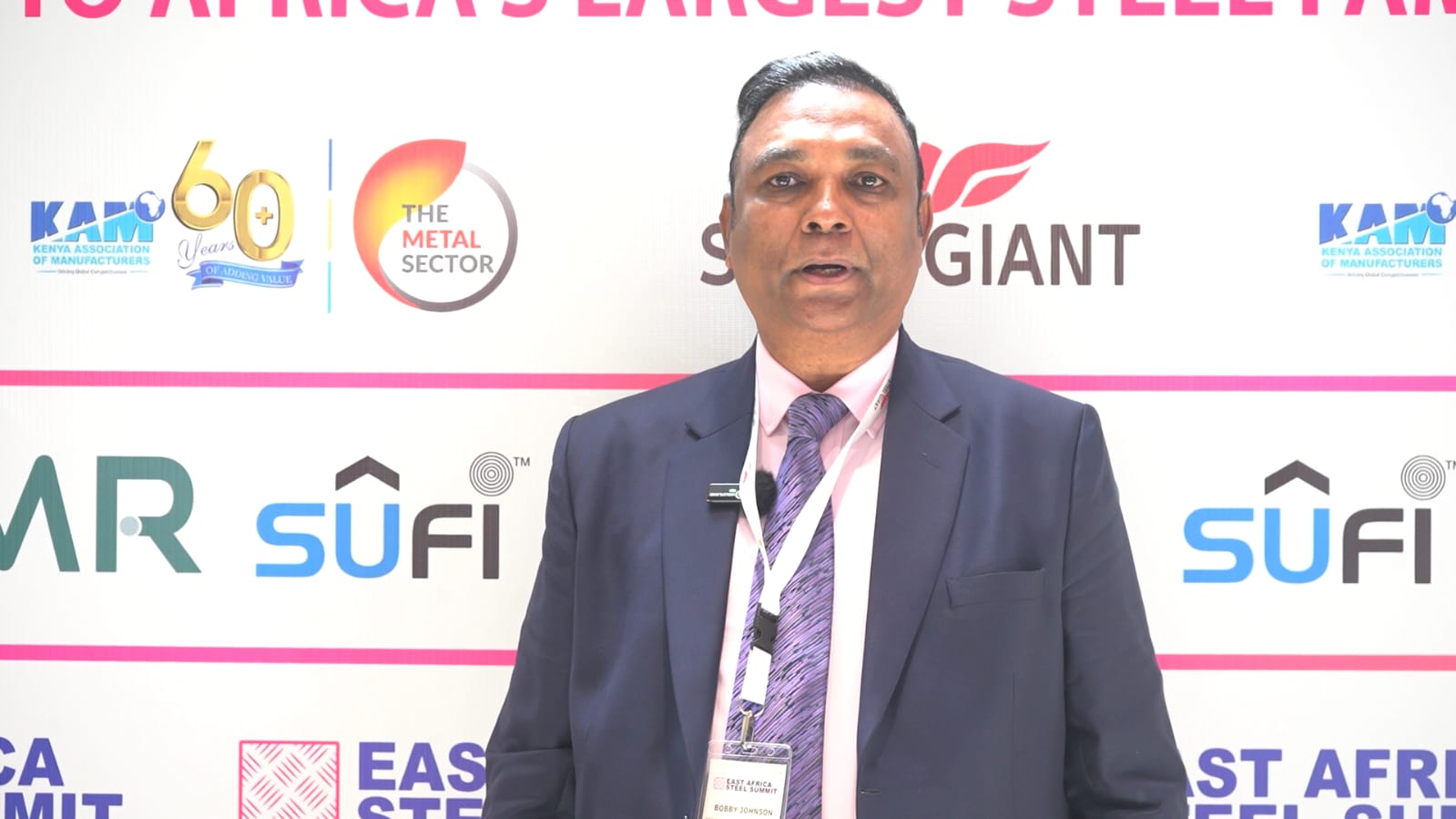
KAM Metal and Allied Sector Chairman Bobby Johnson said the growth of the steel industry is critical to East Africa’s infrastructure and industrial development, noting that manufacturers are well positioned to meet the increasing demand for steel.
He called for stronger enforcement of quality standards and greater cooperation among East African Community partner states to eliminate substandard steel products from the regional market.
“The people who live in the homes we build and use our infrastructure deserve safe, high-quality steel. Harmonised standards and consistent enforcement will protect consumers, support compliant manufacturers and strengthen the regional steel industry,” Johnson said.
The two-day summit, organised by KAM in partnership with Steel Giant, has brought together more than 400 manufacturers, traders, policymakers, financiers and technology providers to discuss the future of steel production, trade, investment and sustainability in East Africa.