
Environmental groups are calling on the Kenyan government to seal smuggling loopholes that allow illegal single-use plastics to flood local markets.
The demand was made in Nairobi during the handover of policy recommendations to key decision-makers to mark the anniversary of Kenya’s landmark plastic bag ban.
The recommendations outline measures to strengthen enforcement of existing environmental laws and expand refill and reuse systems across the country.
Nearly a decade after Kenya introduced one of the world’s toughest bans on single-use plastic carrier bags, campaigners warn that porous borders, illegal imports and unregulated suppliers threaten to reverse the gains made.
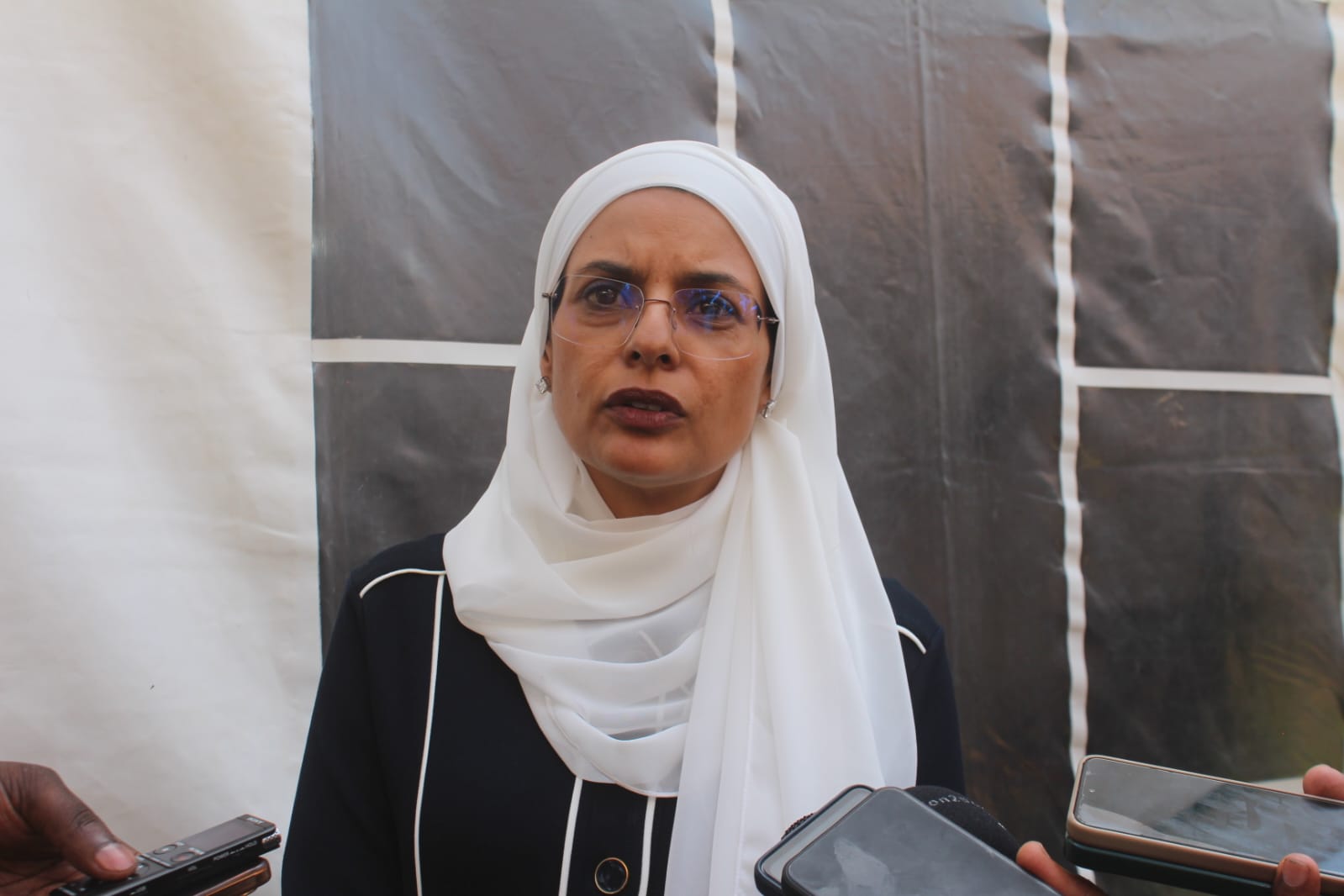
Hellen Kahaso Dena, Plastics Project Lead at Greenpeace Africa, said Kenya was uniquely positioned to lead Africa towards a plastic-free future, citing the country’s pioneering 2017 plastic bag ban and restrictions on plastics in protected areas.
She, however, said this would only be possible if the measures were enforced strictly and consistently.
“Refill and reuse is not new; in African culture, it has existed since time immemorial,” Dena said.
While the 2017 prohibition initially reduced carrier bag use by 80 per cent, illegal packaging streams and thin, non-woven bags continue to find their way into informal urban markets.
Civil society groups said that although the Sustainable Waste Management Act of 2022 and the 2024 Extended Producer Responsibility (EPR) regulations recognise refill models, they lack binding legal mandates requiring manufacturers to adopt returnable packaging.
According to Ledoner Okeyo of the Centre for Environment Justice and Development (CEJAD), the carrier bag ban had addressed one source of plastic pollution, but other forms of unnecessary packaging remained largely unregulated.
Okeyo said stronger policies were needed to promote waste prevention, reuse and refill systems while preventing the use of toxic chemicals in plastic products and packaging.
He added that producer responsibility should go beyond the collection and disposal of waste, urging manufacturers to reduce unnecessary packaging, eliminate toxic chemicals, design products that were safe for human health and the environment, and invest in reuse and refill systems.
Okeyo warned that without clear legal mandates, manufacturers would continue to focus on managing waste rather than preventing it at source.
Yvonne Khaemba of the World Wide Fund for Nature (WWF Kenya) said plastic pollution began affecting nature long before it became visible as litter. She added that preventing waste at source through refill and reuse systems was one of the most effective ways to reduce pressure on ecosystems.
“Coupled with stronger corporate leadership and investment across the full lifecycle of packaging, this approach protects biodiversity, conserves resources, and accelerates the transition to a circular economy,” Khaemba said.
Highlighting the impact of plastic pollution on frontline communities, Joyce Wangari of the Kenya National Waste Pickers Association emphasised the need for an inclusive transition.
“For our communities, plastic pollution is a daily reality. Those of us living near dumpsites face toxic air, contaminated water, and severe health risks every day. Integrating frontline waste workers into official refill-and-reuse frameworks ensures fair working conditions and dignity for the people keeping our cities clean,” Wangari said.
Key Policy Demands
To halt the flow of illegal plastics, the coalition is calling on the Ministry of Environment and the National Environment Management Authority (NEMA) to crack down on illicit cross-border supply chains and strengthen EPR rules by introducing binding targets for returnable packaging.
The recommendations also call for manufacturers to assume full lifecycle responsibility by shifting investment from post-disposal waste collection towards waste prevention.
The groups further want frontline waste pickers to be formally integrated into national circular economy plans and receive fair compensation for their contribution to waste management and environmental protection.