A coalition of health civil society organizations has warned that Kenya’s growing debt burden is crippling the health sector, leaving millions without access to life-saving medicines, vaccines and HIV services.
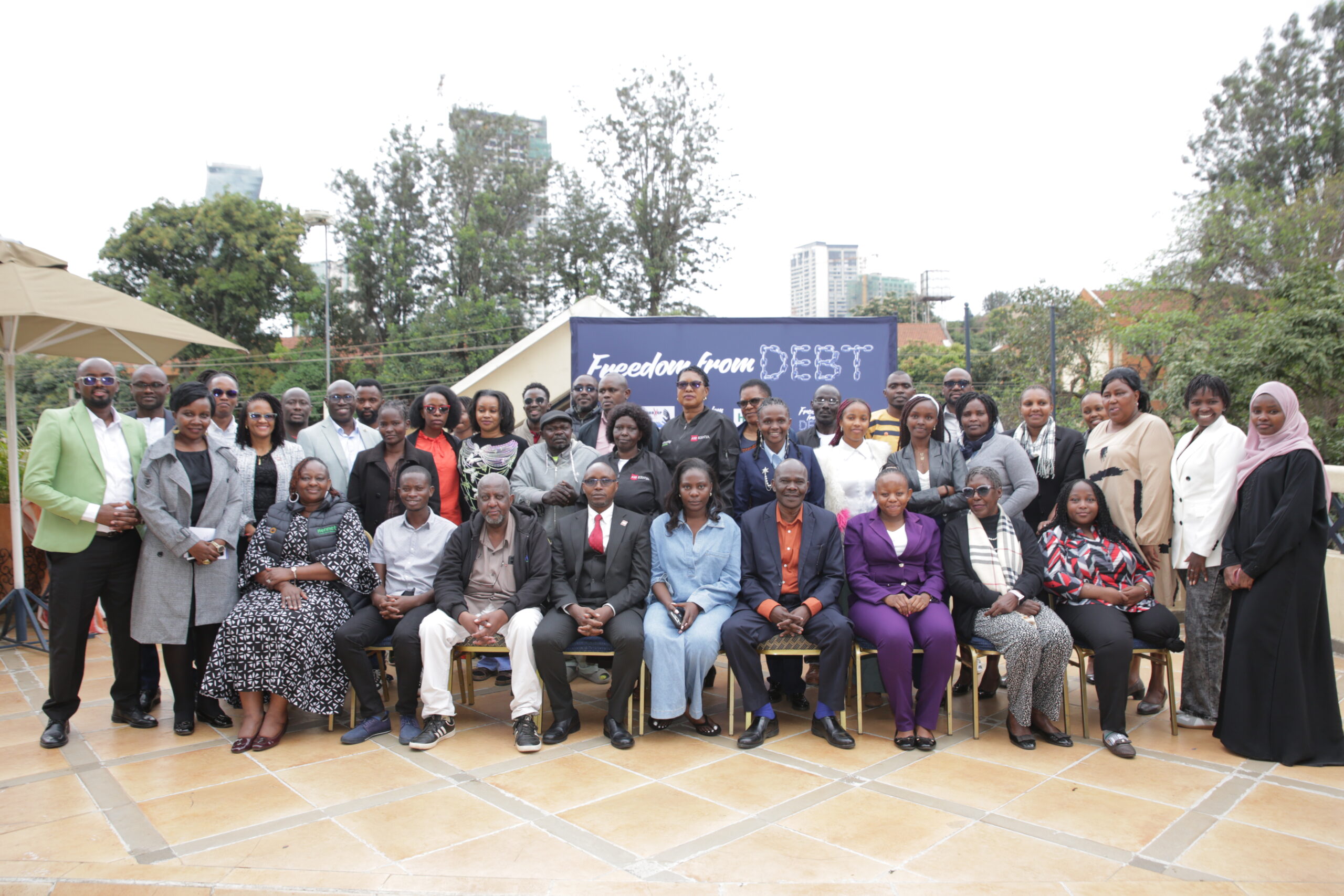
The coalition, comprising AIDS Healthcare Foundation (AHF), Health NGOs’ Network (HENNET), Ambassador for Youth and Adolescent Reproductive Health Programme (AYARHEP), Health Rights Advocacy Forum (HERAF), and the National Empowerment Network of People Living with HIV/AIDS in Kenya (NEPHAK), said rising debt repayments are diverting resources from healthcare and other essential public services.
Addressing the media during the Freedom from Debt campaign launch in Nairobi, AHF Kenya Country Director Dr. Sam Kinyanjui said the debt burden is forcing the government to sacrifice investments in health, education and social protection.
Speaking on behalf of the coalition, Kinyanjui said medicine and vaccine shortages are exposing vulnerable populations to preventable illnesses, while overstretched healthcare workers are struggling to provide quality care, with some clinical officers attending to more than 150 patients daily.
“The government never agreed to repay debt using the lives of its citizens,” Dr. Kinyanjui said.
The coalition also raised concerns over shortages of HIV commodities, saying limited supplies of HIV test kits have forced health facilities to prioritize testing for pregnant women and high-risk groups.
According to Dr. Kinyanjui, Kenya previously procured about 11 million HIV test kits annually but now receives only about four million, significantly reducing access to testing. He also said some antiretroviral drugs remain out of stock, while condoms are becoming increasingly unavailable, especially to young people and other vulnerable groups.
The organizations argued that Africa is spending more on debt repayments than it receives in development assistance, describing the current global financial system as unfair and exploitative.
To address the crisis, the coalition called for reforms to the global lending system, including the creation of a borrowers’ forum to strengthen the bargaining power of indebted countries, automatic interest-free debt repayment pauses during public health emergencies, and an African Union-led coalition to negotiate debt on behalf of African nations.
The groups also proposed a five percent global solidarity levy on artificial intelligence profits to support debt relief and backed the establishment of an African-led sovereign credit rating agency to ensure fairer borrowing terms for African economies.
They urged governments, development partners and the international community to reform the global debt system, saying access to healthcare should never be compromised by debt obligations.
“The unfair lending mechanism needs to stop. The unfair interest rates imposed on African countries need to stop,” Dr. Kinyanjui said.
The Freedom from Debt campaign is a global and regional movement advocating for developing nations facing unsustainable public debt. It demands systemic reforms to global lending, calling for debt forgiveness and fairer resource allocation so governments can prioritize public services, particularly healthcare and education.