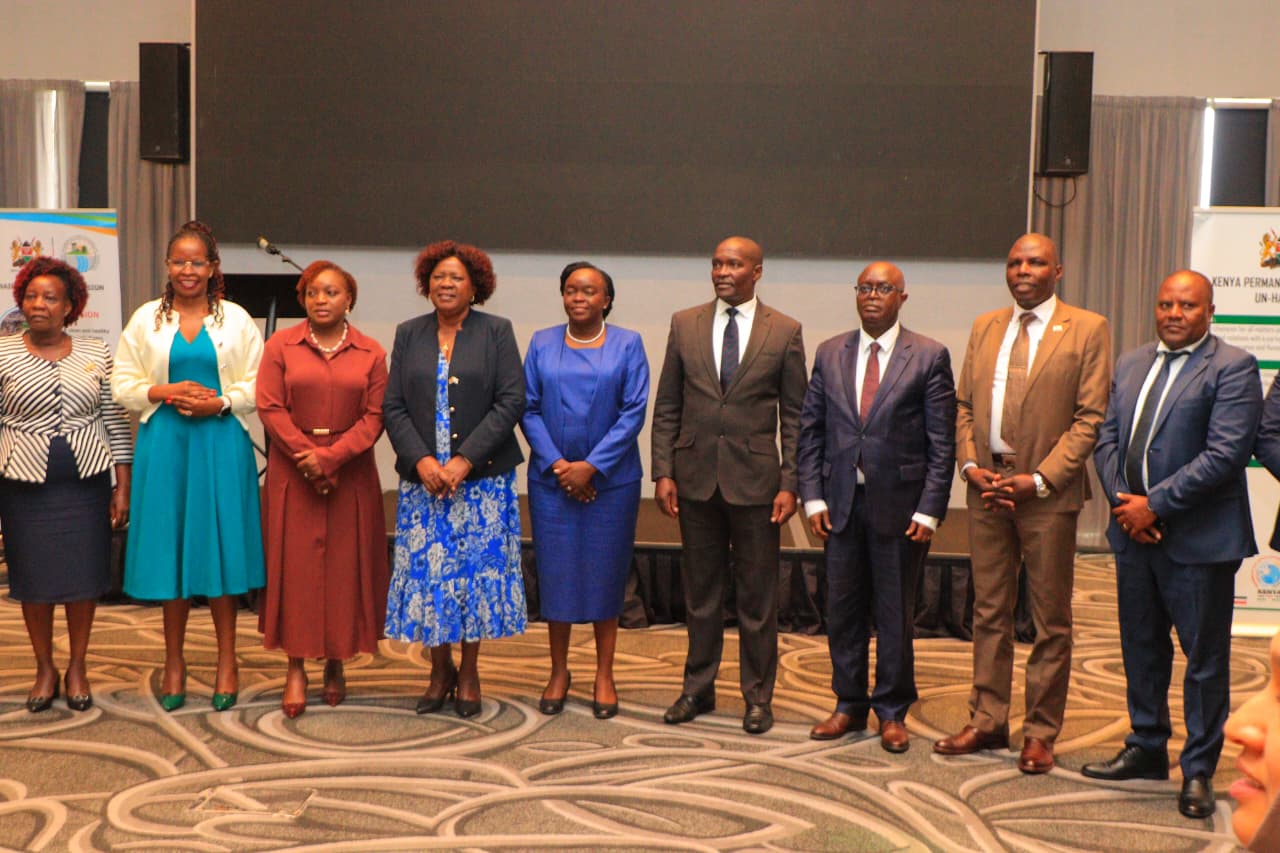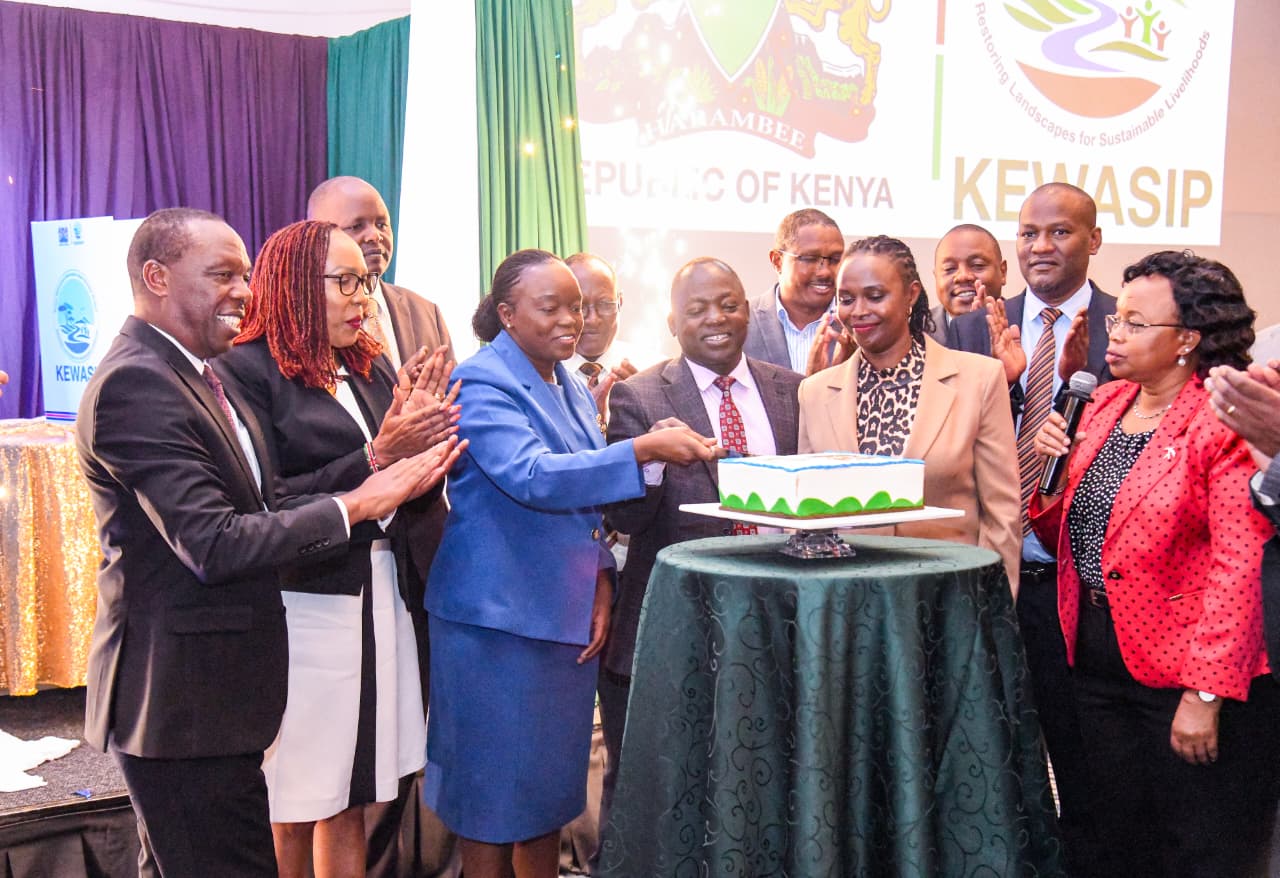
The government has launched a Sh26 billion project to restore degraded landscapes in 12 counties, improve water security and strengthen the resilience of communities affected by climate change.
The five-year Kenya Watershed Services Improvement Project (KEWASIP), funded by the World Bank and implemented by the State Department for Forestry, targets the rehabilitation of 200,000 hectares of degraded ecosystems.
The project is also expected to benefit about 750,000 people through improved natural resource management, agricultural productivity and livelihood opportunities.
It will be implemented in five priority landscapes: Marsabit, Marmanet, Nyambene Hills, Chyulu Hills and Shimba Hills, covering Marsabit, Isiolo, Meru, Tharaka Nithi, Laikipia, Samburu, Baringo, Makueni, Kitui, Garissa, Tana River and Kwale counties.
The initiative comes amid concerns over land degradation, with about 88.6 per cent of Kenya’s land considered at risk, threatening agricultural production, water resources and livelihoods.
Natural resources support more than 80 per cent of livelihoods in the country, making their conservation critical to economic growth and food security.
According to the State Department for Forestry, KEWASIP will focus on restoring degraded ecosystems, improving watershed management, conserving biodiversity and promoting sustainable use of natural resources.
The project will also support Kenya’s target of restoring 10.6 million hectares of degraded landscapes by 2032 under the Presidential 15 Billion Tree Growing Initiative.
It is aligned with the National Landscape and Ecosystem Restoration Strategy 2023–2032, the Bottom-Up Economic Transformation Agenda and the National Climate Change Action Plan.
County governments are expected to play a central role in implementing the programme through their devolved forestry functions and by incorporating landscape restoration into county development plans.
The State Department for Forestry is also finalising guidelines for the Adopt-a-Forest initiative, which seeks to encourage counties to take responsibility for forests within their jurisdictions and support conservation efforts.
KEWASIP will prioritise hydrosheds, which are geographical areas defined by drainage systems and river networks. The targeted areas were identified based on the presence of gazetted water towers, major rivers and their downstream systems.
The project will also target community interest groups involved in natural resource management, nature-based enterprises and vulnerable and marginalised communities.
Through these interventions, the government hopes to expand sustainable land management practices, improve water security and create economic opportunities for communities dependent on natural resources.
The programme is expected to bring together national and county governments, local communities and development partners in efforts to address environmental degradation and strengthen the country’s resilience to climate change.