
Community pharmacies can play a bigger role in expanding access to family planning and reproductive health services in Kenya, while remaining commercially viable, InSupply Health CEO Yasmin Chandani has said.
Speaking during the five year Market Test Project Learning and Exit Summit at a Nairobi hotel on Thursday, Chandani said the initiative had demonstrated that pharmacies can provide quality family planning services while operating sustainable businesses.
The project, implemented in partnership with the Ministry of Health and professional pharmacy associations, has reached more than 200,000 women through a network of up to 600 pharmacies across 10 counties.
Chandani said the programme had also increased method choice, including access to self care products such as DMPA-SC, a self injectable contraceptive.
She said one of the key lessons from the five year project was the importance of strengthening referral systems between pharmacies, public facilities and private clinics.
“Bi-directional referral between public, private sector clinics and pharmacies” would improve continuity and quality of care, she said.
Chandani said pharmacies that recorded the highest uptake were generally those where owners were actively involved and providers understood and responded to the needs of their clients.
She noted that pharmacies often serve as trusted and convenient points of care because they operate extended hours and are located close to communities.
The project also found that data collection should serve both the health system and pharmacies, Chandani said, arguing that providers should collect only the minimum information required while ensuring data helps them manage their businesses more effectively.
She credited the Ministry of Health and professional associations, including the Pharmaceutical Society of Kenya and Kenya Pharmaceutical Association, for supporting the project and helping create an environment for private sector participation in family planning.
Chandani said Kenya’s estimated 7,500 pharmacies represented an untapped opportunity to expand not only family planning but also reproductive health and primary healthcare services.
“Our dream would be to cover all 47 counties because every Kenyan woman needs access,” she said.
She added that the next phase should focus on creating a market driven model that can operate sustainably without long term donor support.
The project is also exploring ways of making training more affordable and accessible to pharmacies. Chandani said training had evolved from a five day physical programme to a largely self directed online course with practical support at community level.
More than 700 pharmacy providers have so far been trained, she said.
The initiative is now working with professional associations to explore a self paid training model that would allow more pharmacies across the country to participate.
Chandani said insurance coverage would also be important in expanding access, calling for social and private health insurance schemes to cover family planning services and give women affordable choices.
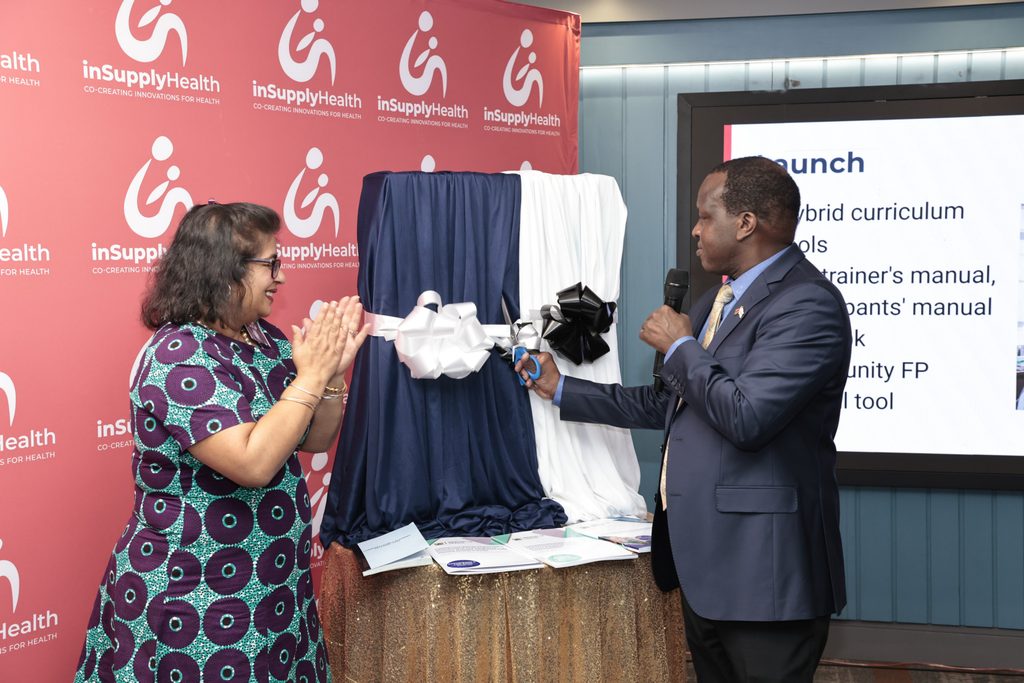
Meanwhile, Ministry of Health Division of Reproductive and Maternal Health Programme Manager Albert Ndwiga said greater integration of pharmacies into healthcare delivery must not compromise quality.
He said the expansion of pharmacy based services would require licensed providers, appropriate competencies, clear service packages, referral pathways, certification and accountability.
Phillips Therapeutics Ltd CEO Newton Siele said sustainability would also depend on whether the model made business sense for pharmacies.
He said business capability, understanding clients, effective use of data, communication and owner engagement were critical if pharmacies were to take ownership of additional health services.
The summit was held under the theme “Beyond Contraceptive Access: The Future of Pharmacies in Reproductive Health”, bringing together the Ministry of Health, development partners, pharmacy professionals, manufacturers, wholesalers and other stakeholders to review five years of evidence and discuss the future of pharmacy led primary healthcare.
According to statistics, many countries in Africa continue to record some of the world’s lowest contraceptive use rates, alongside high maternal, infant and child mortality rates and high fertility rates. About 45 per cent of pregnancies among adolescents in Africa are estimated to be unplanned. It is also estimated that one in three unintended pregnancies on the continent occurs among girls aged between 15 and 19.