By Dr Charles Muteshi
In many cultures, having children is seen as the fulfilment of a social expectation, and couples are often expected to meet it. However, there is no socially defined timeline for having children, and such expectations often overlook personal circumstances, including career aspirations and financial stability.
Couples may assume that as long as they are sexually active, pregnancy is guaranteed unless they consciously choose to use contraception. However, some couples experience challenges with conception. Here is what every couple planning to conceive needs to know.
What determines a couple’s fertility?
Fertility depends on four important factors: regular ovulation and open fallopian tubes in the female partner, normal sperm parameters in the male partner, and regular sexual intercourse to allow the egg and sperm to meet and fertilise.
One aspect that is often misunderstood is the chance of conception during a single menstrual cycle, medically known as fecundability. This refers to the probability of achieving pregnancy in a given cycle when a couple is trying to conceive. The likelihood varies depending on factors such as age and reproductive health.
Couples should therefore understand that conception may take time and that consistent attempts over several months may be necessary.
How often should a couple try to conceive?
The standard period for trying to conceive before seeking a fertility assessment is 12 months for couples in which the female partner is under 35. During this period, nearly 85 per cent of couples will conceive. However, those aged 35 and above are generally advised to seek medical assessment after six months of trying, while those over 40 should consider seeking advice sooner.
Couples sometimes try to improve their chances of conception by having intercourse only at specific times of the month, particularly around ovulation. However, predicting ovulation from outward signs alone can be difficult.
The egg survives for approximately 12 to 24 hours after ovulation, while sperm can remain viable in the female reproductive tract for several days. Having intercourse two to three times a week can therefore help maximise the chances of conception without requiring couples to identify the exact day of ovulation.
At what point should couples be concerned about conception?
When couples suspect that something may be preventing conception, the cause may sometimes be apparent. In many cases, however, they may be unaware of the underlying problem. Identifying it requires consultation with a healthcare professional, who can review relevant medical history and recommend appropriate tests.
Attending a medical consultation together provides an opportunity to dispel myths about fertility, avoid assigning blame and encourage both partners to participate in treatment. It also allows healthcare professionals to refer couples to other essential support services, including counselling.
What does a doctor examine when diagnosing fertility challenges?
A comprehensive fertility assessment typically includes semen analysis to assess sperm parameters, tests to establish whether ovulation is occurring, and investigations to determine whether the fallopian tubes are open.
The sequence of investigations should be guided by the couple’s circumstances and designed to establish the diagnosis efficiently while avoiding unnecessary tests.
Fertility challenges may be associated with male factors, female factors or a combination of both. The initial assessment should therefore involve both partners. Semen analysis and an assessment of ovulation are among the initial investigations. If the results are normal, checking whether the fallopian tubes are open may be the next logical step in determining the likelihood of natural conception.
One commonly used test for tubal patency involves introducing a special dye through the fallopian tubes and taking X-ray images. This procedure is known as hysterosalpingography (HSG).
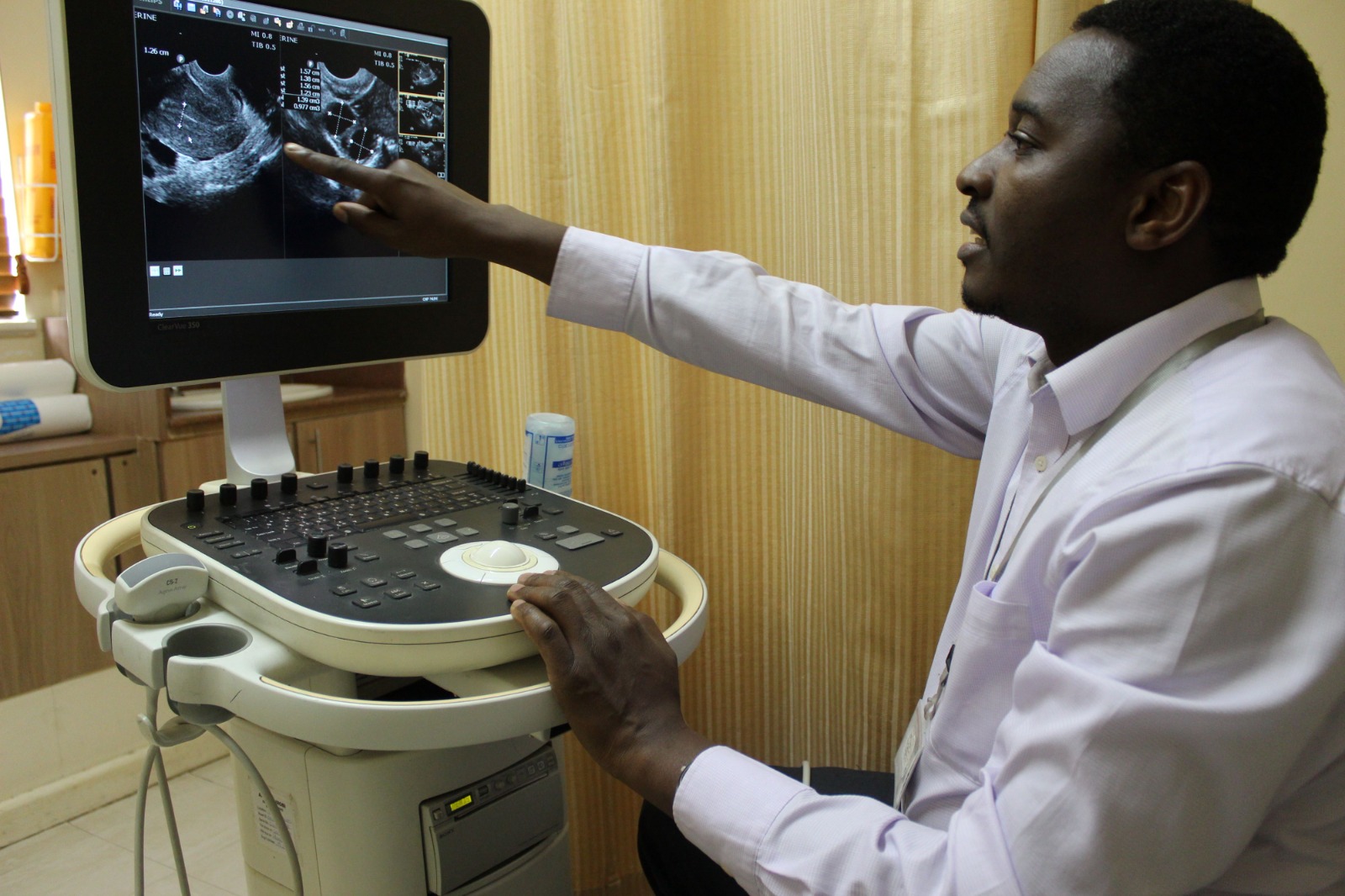
Another option is hysterosalpingo-contrast sonography (HyCoSy), which uses ultrasound and a contrast agent to assess the fallopian tubes. It also allows the doctor to examine the uterus and ovaries, providing information that may not be obtained through HSG alone.
HyCoSy avoids exposure to X-rays and may reduce the need for separate investigations. However, its availability and suitability depend on the patient’s circumstances, and it requires a practitioner with specialised training. The timing of the procedure also depends on the menstrual cycle and the need to exclude pregnancy.
What fertility treatment options are available?
Couples are more likely to feel reassured and engage with treatment when they receive support from an empathetic healthcare team that provides clear information and encourages shared decision-making while respecting their values and opinions.
Fertility investigations can be emotionally demanding, with couples experiencing uncertainty and distress along the way. Although identifying the factors contributing to infertility is important, certain diagnoses, including blocked fallopian tubes, severe sperm abnormalities and ovarian insufficiency, can be particularly difficult to accept.
Couples may feel frustrated or angry and may blame themselves or circumstances in their lives. Their relationship may also come under strain. At this stage, the healthcare team should provide appropriate support and, where necessary, facilitate access to counselling services.
Fertility treatment options should then be discussed sensitively, taking into account the couple’s individual circumstances and providing information based on current evidence.
Many couples may require assisted reproductive technologies, such as in vitro fertilisation (IVF). This can be a major decision because it involves financial commitments, uncertainty about success and potential risks.
Couples should receive accurate, up-to-date information in language they can easily understand. They should not feel pressured to proceed with treatment, and counselling can help them make informed decisions. Having both partners attend clinic consultations can also improve understanding and participation in the decision-making process.
Sometimes, barriers or limitations may prevent couples from accessing or pursuing certain treatments. This should not necessarily be seen as the end of the road, as other options can be explored. These may include the use of donor eggs or sperm, adoption, foster care or surrogacy, depending on the couple’s circumstances and the applicable legal framework.
A sensitive and empathetic fertility specialist can help couples navigate these difficult decisions. While individuals may have different coping strategies, family support and support groups, such as Waiting Wombs Trust, can also be valuable. In some circumstances, seeking legal advice may be necessary.
Dr Muteshi is a consultant fertility specialist at Aga Khan University Hospital.