By James Mutua
African civil society leaders have warned that the continent should not endorse the Pathogen Access and Benefit-Sharing (PABS) Annex to the World Health Organization Pandemic Agreement without legally binding benefit-sharing provisions, cautioning that a weak deal would entrench inequalities exposed during COVID-19.
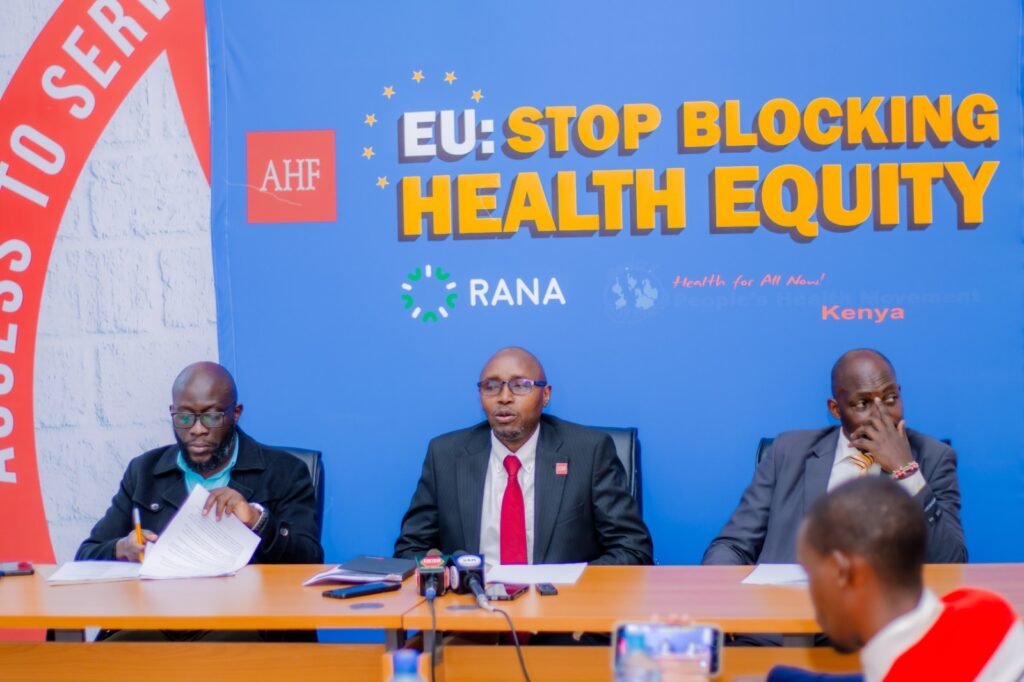
Speaking at a press conference in Nairobi ahead of critical negotiations in Geneva, the leaders urged African governments to take a firmer stance before the resumed sixth session of the Intergovernmental Working Group (IGWG6 Part B) beginning April 27. The talks are widely seen as the final opportunity to resolve outstanding issues before the 79th World Health Assembly in May.
Aggrey Aluso, Executive Director of the Resilience Action Network Africa, said the continent must leverage its role as a primary source of pathogen samples and genomic data. He noted that while many high-income countries maintain vaccine stockpiles, much of the underlying data originates from Africa and is often shared without compensation.
“This is not about charity but fairness in managing one of the most strategic public health resources,” Aluso said, calling for good-faith negotiations.
The PABS Annex is a central pillar of the Pandemic Agreement, adopted in 2025, and will determine how pathogen materials and genetic sequence data are shared globally, as well as how benefits such as vaccines and treatments are distributed. The agreement cannot be opened for signature until the annex is finalised.
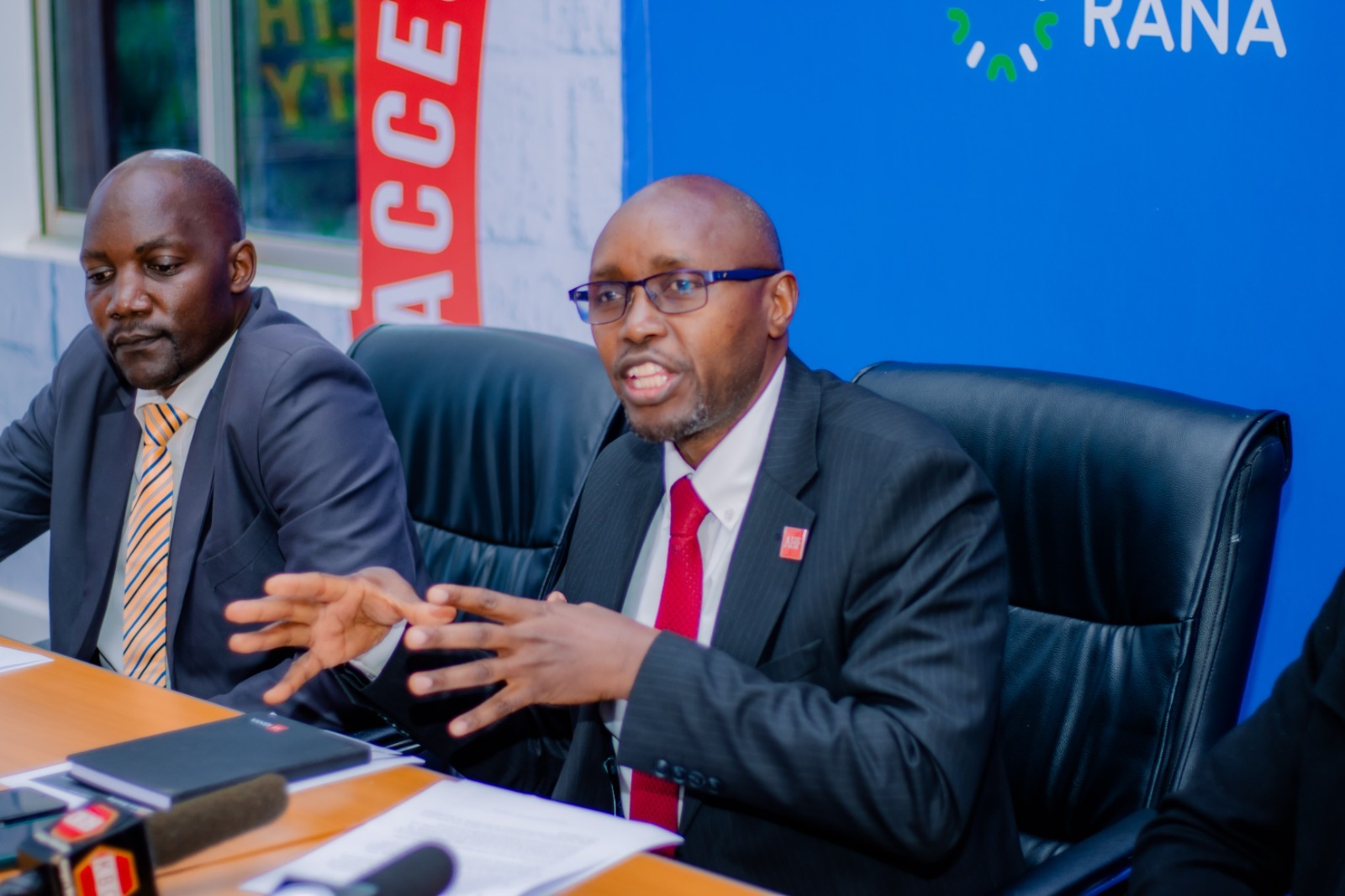
Health advocates say the stakes remain high. During the COVID-19 pandemic, Africa, home to about 17 percent of the world’s population, received less than 3 percent of global vaccine supplies. Dr Samuel Kinyanjui, AHF Kenya Country Director, said countries contributing pathogen data must be guaranteed enforceable returns.
“The annex must include binding equity provisions. Without that, the agreement risks becoming another framework of promises without delivery,” he said.
Negotiations remain sharply divided, with many low- and middle-income countries pushing for mandatory benefit-sharing, while several high-income nations favour voluntary commitments. The last round of talks in March ended without consensus, setting the stage for the resumed session.
Civil society groups also raised concerns about a proposed “hybrid” model that could allow parallel systems—one regulated and another operating without obligations. Critics warn such an approach could undermine the framework by enabling stakeholders to bypass benefit-sharing requirements.
Dan Owala of the People’s Health Movement Kenya cautioned that the world risks repeating past mistakes. “The last pandemic showed that access to vaccines and treatments was shaped by wealth and geography, not need. A weak agreement will rebuild that same inequitable system,” he said.
Speakers outlined key demands, including mandatory allocation of vaccines and treatments during emergencies, pre-agreed technology transfer, enforceable contracts with private manufacturers, and strict traceability for all users accessing pathogen data. They also called for safeguards against intellectual property barriers that could limit access in developing countries.
Kenya’s position was highlighted as significant, with the country advancing local pharmaceutical manufacturing and regulatory capacity. However, stakeholders warned that these gains could be undermined if global rules fail to support equitable access.
Willis Omondi of Mind To Heart Community-Based Organisation emphasised the human impact of the negotiations, noting that decisions taken in Geneva will determine whether communities are protected or left behind in future outbreaks.
According to the World Health Organization, Africa continues to face a severe vaccine production gap, importing more than 90 percent of its medicines and producing only 1 to 2 percent of the vaccines it administers. This reliance leaves the continent vulnerable during global health crises, as seen during COVID-19 and the Mpox outbreak, when access to supplies lagged behind wealthier regions.