Sudan needs to strengthen its institutional capacity and deepen international cooperation to unlock the potential of its wildlife and tourism sectors, Sudan’s Deputy Director of Foreign Affairs and Organisation at the Ministry of Tourism and Wildlife has said.
She said Sudan’s participation in international wildlife agreements and programmes remained limited, with the country often becoming involved at the final stages rather than contributing from the outset.
Speaking during a workshop on the challenges and current state of wildlife conservation in Sudan, Ms Osman said a shortage of dedicated experts and institutional support was weakening the country’s ability to benefit from international organisations and conservation programmes.
She identified inadequate funding and a lack of dedicated teams to follow up on agreements and programmes as some of the major obstacles to effective implementation of wildlife and environmental initiatives.
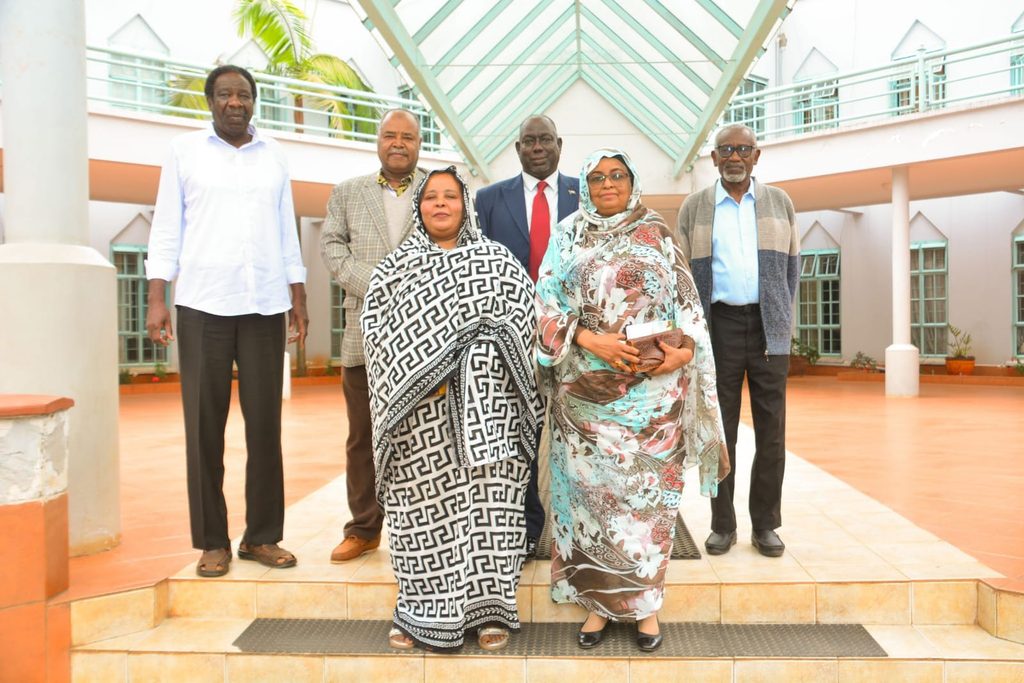
Ms Osman said Sudan has bilateral agreements with neighbouring countries covering wildlife, water and environmental protection, but implementation remains weak.
“Sudan shares ecosystems with South Sudan, Chad, Egypt, Libya, Eritrea and Ethiopia,” she said, stressing the need for stronger cross-border cooperation to protect shared ecosystems and wildlife.
She said the challenges had also made it difficult to attract foreign investment into tourism and wildlife projects despite Sudan’s considerable ecological and tourism potential.
Ms Osman proposed establishing urban wildlife education centres in 10 major cities to increase public awareness and strengthen links between communities, schools, universities and protected areas.
The centres could serve as educational and research facilities while generating revenue and attracting tourists, she said.
She also proposed rehabilitating selected sites into eco-zones and natural habitat parks to support wildlife conservation, provide recreational opportunities and attract international visitors.
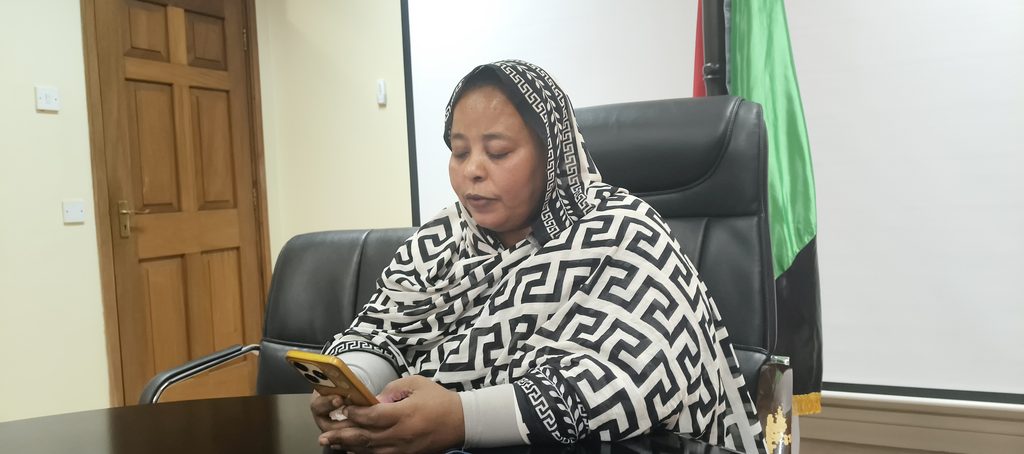
Ms Osman said partnerships with international organisations and renewable energy companies could help finance and support conservation initiatives.
She urged Sudan to present its environmental and wildlife needs within a broader human development framework, arguing that conservation should be linked to education, livelihoods, tourism and economic development.
“Sudan has massive ecological and tourism diversity,” she said, citing areas such as Jebel Marra, the Nuba Mountains and eastern Sudan, alongside the country’s rich archaeological and natural heritage.
With proper planning, dedicated teams and international partnerships, Ms Osman said wildlife conservation could become a driver of education, revenue generation and sustainable tourism.
She also called for technical recommendations emerging from the workshop to be developed into a professional document containing photographs and data that could be used by Sudanese diplomatic missions when engaging potential partners and supporters.
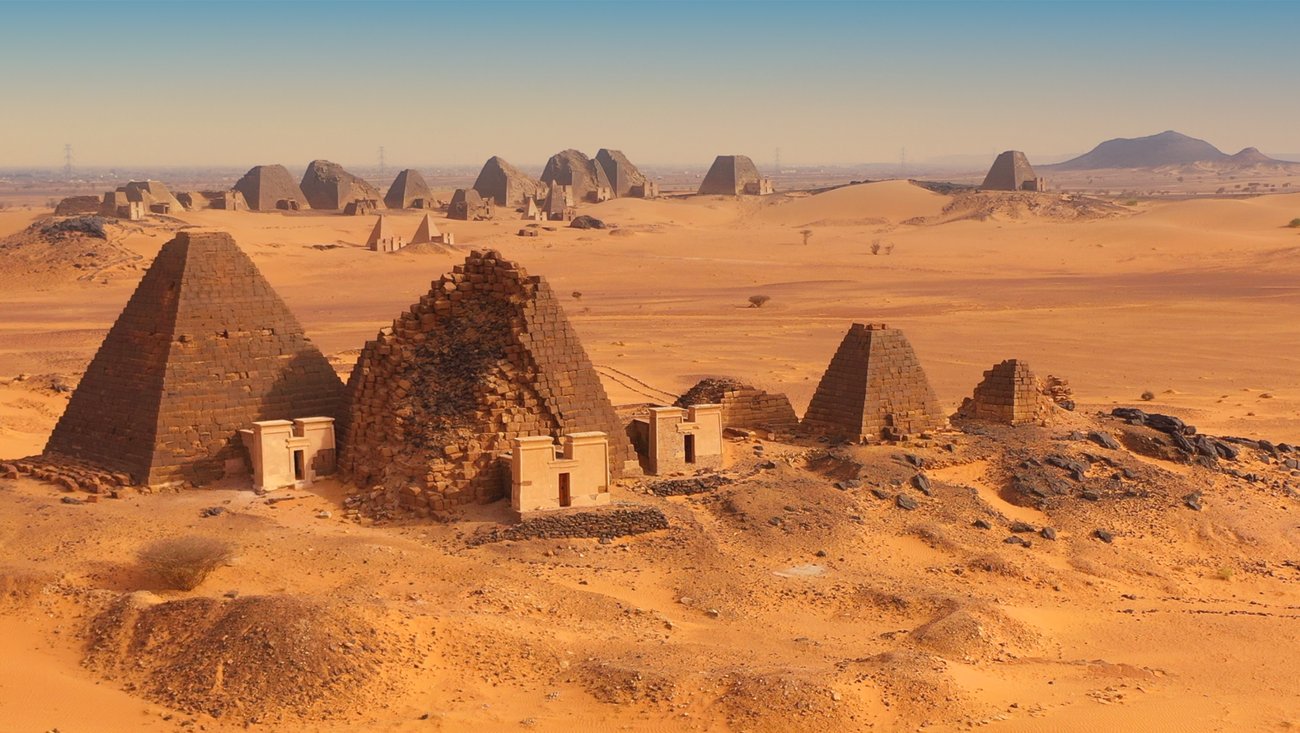
Sudan has several major tourist attractions, including Dinder National Park, the Marrah Mountains, the Red Sea coast and the National Museum in Khartoum. Its archaeological heritage includes the Pyramids of Meroë, the tombs at Kerma and the Temple of Soleb.
Although there has been investment in tourism, the sector’s infrastructure and potential remain largely untapped. Sudan’s tourism strategy places emphasis on ecotourism, while Sudan International University has offered tourism education through its Faculty of Tourism and Hotels since 2010.