Ulinzi Africa Foundation has joined 26 organisations from around the world in calling on Vantara, a private wildlife facility in India funded by Reliance Industries, to permanently stop importing wild animals.
The organisations welcomed Vantara’s recent announcement of a 12-month moratorium on wildlife imports and its stated plans to support in-situ conservation, improve governance and due diligence, and address concerns over its practices and standards.
However, they said the temporary suspension should be converted into a permanent ban on wild animal imports, except in independently verified conservation or animal welfare emergencies.
The call follows years of investigations and reports by civil society organisations and independent journalists into Vantara’s operations.
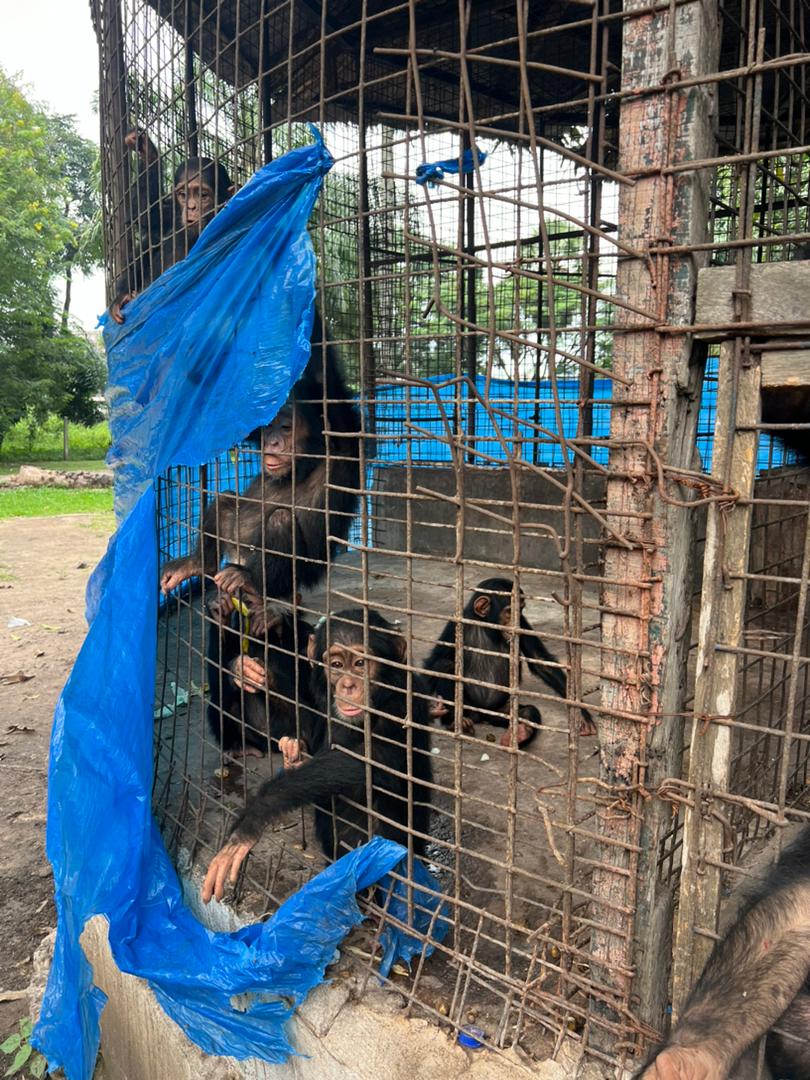
According to the organisations, Vantara has imported more than 60,000 live animals representing about 2,000 species over a four-year period. The acquisitions include endangered and iconic species such as great apes, Tapanuli orangutans, Spix’s macaws, Galapagos iguanas and shoebills.
The facility has also come under increased scrutiny from the Convention on International Trade in Endangered Species of Wild Fauna and Flora (CITES).
The organisations said exemptions contained in Vantara’s 12-month moratorium could still allow the future importation of animals from commercial facilities, animals described as captive-bred but suspected to have originated in the wild, and animals from unverified or potentially illegal sources.
They also warned that a temporary moratorium could encourage wildlife exporters and traffickers to stockpile animals in anticipation of imports resuming after the 12-month period.
The organisations have called on Vantara to take several measures, including ending commercial incentives linked directly or indirectly to animal acquisitions, adopting clear and transparent rescue and sanctuary standards, and introducing a no-breeding policy.
They also want Vantara to refrain from commercial trade, exchanges and acquisitions for public display.
The organisations further called for the publication of a regularly updated inventory of all animals held at Vantara, including information on their origins, transfers, births and deaths, with the records independently reviewed.
They urged Vantara to strengthen independent oversight, address potential conflicts of interest on its advisory boards and protect civil society organisations, journalists and whistleblowers.
The groups also called for greater support for independently run organisations in countries of origin to protect wildlife habitats and provide high standards of care at reputable local rescue centres.
They said options for repatriating animals to their native range States should also be assessed where appropriate, stressing that wildlife forms part of a country’s natural heritage.
CITES meeting to review compliance concerns
The call comes ahead of the 81st meeting of the CITES Standing Committee, scheduled for November 2 to 6 in Geneva, Switzerland.
The committee is expected to consider the Indian government’s response to findings from an official CITES Secretariat verification mission to India conducted in September 2025.
According to the organisations, the mission raised concerns over the large volume of imports of strictly protected species to Vantara and potential breaches of international wildlife trade regulations.
The organisations said institutions with substantial resources and influence should support the protection of wildlife in its natural habitats rather than create incentives for further exploitation.
They urged CITES member States and Vantara to ensure transparency, compliance with international regulations and accountability in the management and trade of threatened wildlife.