Kenya must strengthen investment in research, improve data collection and ensure evidence generated by researchers directly informs government policy and development programmes, officials have said.
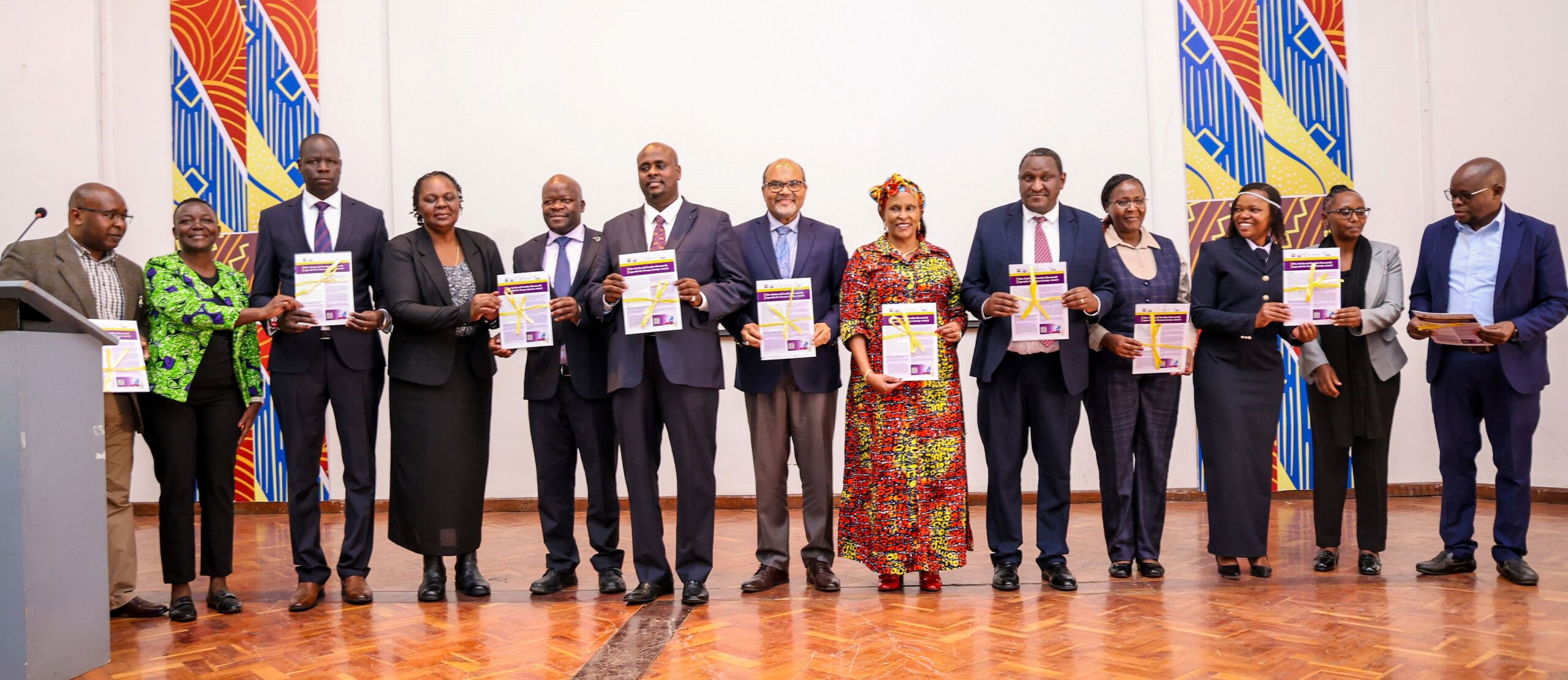
Speaking on Wednesday during the National Gender Research Agenda (NGRA) dissemination and unveiling workshop in Nairobi, Principal Secretary for Science, Research and Innovation Prof Shaukat Abdulrazak said research must play a central role in addressing gender inequalities and ensuring no section of society is left behind.
Prof Abdulrazak said Africa remains significantly underrepresented in research, noting that sub-Saharan Africa has about 88 researchers per million people, compared with a global average of 1,496 and about 4,300 in Europe and North America.
He said Kenya must increase investment in research, technology and innovation from the current 0.78 per cent of GDP to at least one per cent as a step towards the two per cent target provided for under the Science, Technology and Innovation Act.
“We need to move from fragmented research to coordinated research with national evidence, from research reports to policy and innovation, and from women as technology consumers to technology creators,” Prof Abdulrazak said.
He called for greater participation of women in research and innovation, urging men to become active participants in efforts to close gender gaps.
Prof Abdulrazak said research teams should deliberately promote gender balance while also ensuring that women are supported to pursue postgraduate studies and leadership roles in science and innovation.
He further urged researchers to focus on emerging issues such as artificial intelligence, climate change and technology, saying gender considerations must be incorporated into these areas as Kenya positions itself as a regional science, technology and innovation hub.
The PS said the Government was developing policies and frameworks to strengthen research financing and international collaboration, including an artificial intelligence policy and a science diplomacy policy.
He also stressed the need for stronger links between academia and industry and greater domestic financing of research, while acknowledging the importance of international partnerships.
“Above all, we must move from evidence to impact,” he said, challenging researchers to demonstrate how their work has influenced decisions, created innovations, mobilised investment and improved people’s lives.
Director of the Minority and Marginalised Affairs Unit in the Executive Office of the President, Josphat Lowoi, said gender research must pay greater attention to marginalised communities, particularly those facing persistent challenges in education, healthcare and access to basic services.
Mr Lowoi said inadequate data from marginalised areas had made it difficult for the Government to properly understand their challenges and design appropriate interventions.
He cited communities in arid and marginalised regions where children continue to study under trees, walk long distances in search of water and face disruptions to education caused by floods and pastoralist lifestyles.
“We, the minority and marginalised communities, are crying to you, the researchers. Give government data about us, so that they can plan for us,” Mr Lowoi said.
He urged researchers to develop community-based and indigenous research that reflects the lived experiences of marginalised populations instead of relying solely on externally generated studies.
Mr Lowoi also challenged researchers to ensure their findings reach Parliament and county assemblies and influence legislation, budgeting and development planning.
Principal Secretary for Cabinet Affairs Dr Idris Dokota said the National Gender Research Agenda should be elevated to a policy-level document because of its potential to address gaps in government decision-making.
Dr Dokota said Kenya had made progress in establishing frameworks for equality and non-discrimination but continued to face challenges caused by gaps in the availability, quality and coordination of data on women, youth, persons with disabilities, older persons, minorities and marginalised communities.
He said the lack of reliable data had even complicated efforts to identify minority communities and understand their distribution across counties.
“The point of government decisions is inseparable from the quality of evidence available to decision-makers,” Dr Dokota said.
He challenged researchers to shift from measuring the number of studies conducted or reports published to assessing whether research has changed government programmes, policies, budgets and implementation approaches.
The PS said research should answer key questions about who is being left behind, why they are being excluded, what interventions work and what impact government programmes are having.
He called for a whole-of-government and whole-of-society approach involving government agencies, universities, research institutions, civil society and development partners.
Dr Dokota also called for sustainable investment in research, including funding for data collection, research capacity, infrastructure, data management, monitoring and evaluation.
The National Gender Research Agenda was unveiled under the theme “Evidence to Impact: Advancing Gender Equality Through Research, Partnerships and Sustainable Investment.”
The initiative, led by the National Gender and Equality Commission (NGEC), the National Commission for Science, Technology and Innovation (NACOSTI), Mizizi Elimu Afrika and partners, seeks to strengthen gender-responsive research and ensure evidence translates into policy, innovation and measurable improvements in the lives of Kenyans.
The officials said the success of the agenda would ultimately be measured not by the number of research reports produced, but by the decisions changed, policies influenced, innovations created, investments mobilised and lives improved.