Faith-based organisations are set to play a greater role in Kenya’s fight against HIV infections, teenage pregnancies and gender-based violence under a proposed national action plan bringing together religious institutions and government agencies.
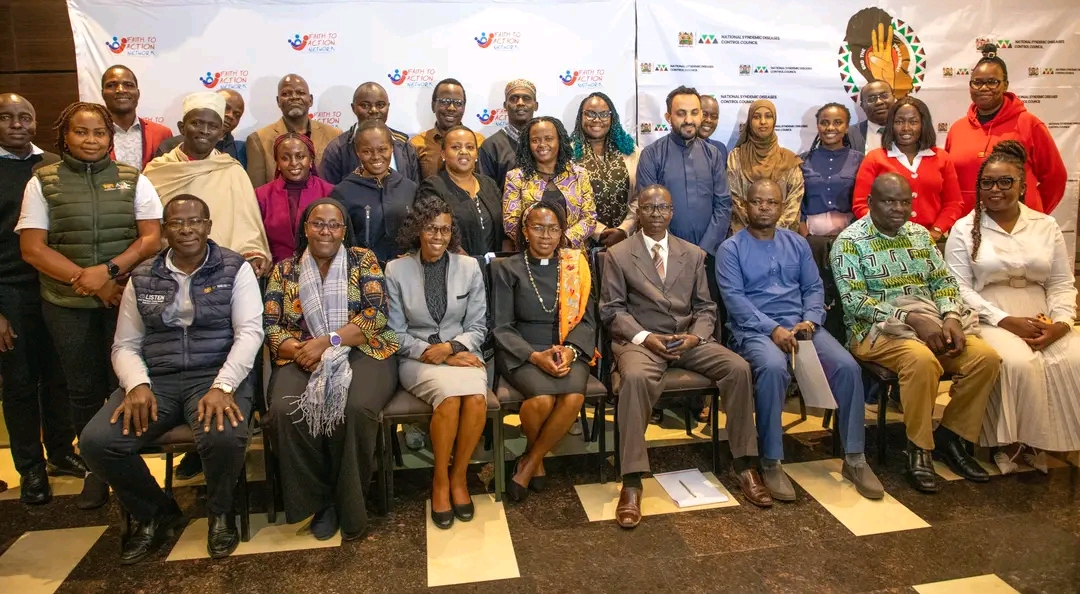
The initiative, spearheaded by Faith to Action Network in partnership with the National Syndemic Diseases Control Council (NSDCC) and other stakeholders, seeks to strengthen collaboration between faith communities and the government in addressing family health and wellbeing challenges.
The proposed Faith Sector Action Plan and Roadmap on Family Health and Wellbeing will provide a framework for religious institutions, government departments, development partners and youth representatives to coordinate interventions and improve access to health information and services.
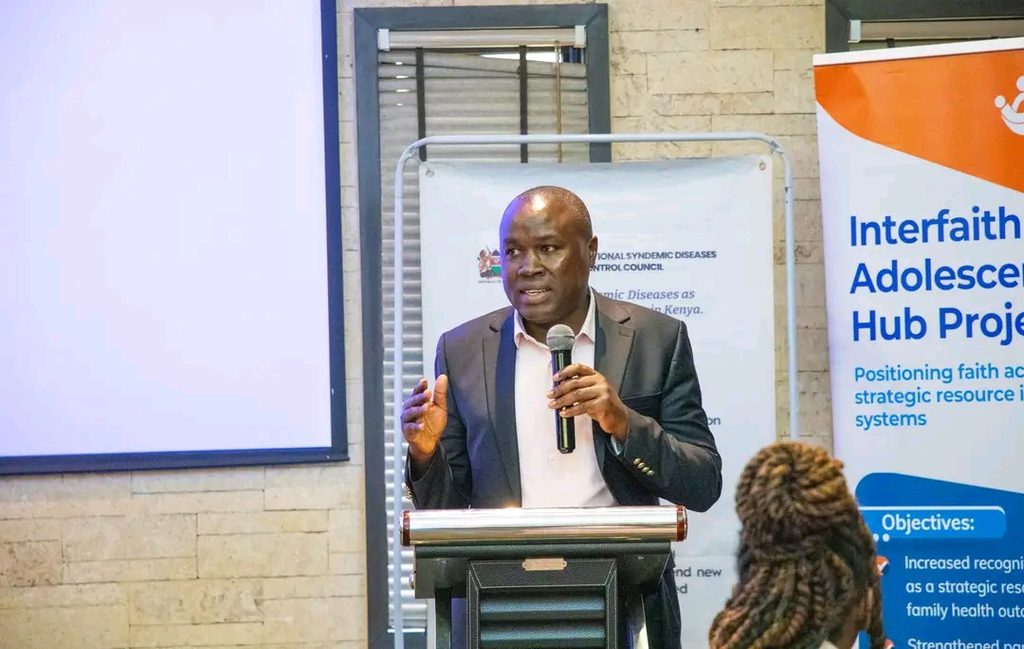
Speaking during a stakeholders’ meeting in Nairobi, NSDCC Chief Executive Officer Dr. Douglas Bosire said religious institutions were critical partners in implementing government health programmes because of their influence and extensive reach in communities.
Dr. Bosire said about 97 per cent of Kenyans identified with a religious faith, making religious leaders important allies in addressing health challenges and harmful social practices.
“Partnership with religious groups is not a choice. It is mandatory and necessary. If we are to succeed as government, we must include and have on board these Kenyans,” he said.
He said religious leaders enjoyed the trust of their congregations and were therefore better positioned to communicate sensitive health messages, particularly on HIV prevention, adolescent pregnancies and family wellbeing.
Dr. Bosire said Kenya had made progress in reducing HIV infections and related deaths but warned that children, adolescents and young people remained vulnerable.
He said the country recorded 13,936 new HIV infections in 2025, down from about 110,000 in 2005.
HIV-related deaths also declined from approximately 94,000 in 2005 to 19,934 in 2025, while mother-to-child transmission dropped from 35 per cent to eight per cent over the same period.
However, he raised concern over infections among children, saying 3,396 children aged below 15 were newly infected in 2025.
He singled out counties in the North Eastern region, particularly Wajir, where mother-to-child HIV transmission rates remained significantly higher than the national average.
Dr. Bosire attributed the situation partly to historical gaps in HIV prevention and treatment interventions in the region, calling on religious and cultural leaders to work with health authorities to reach vulnerable communities.
He also expressed concern over HIV infections among adolescents and young people, who account for a significant proportion of new infections among people aged 15 and above.
On teenage pregnancies, Bosire cited 236,000 pregnancies among girls aged between 10 and 19 in 2025, translating to approximately 646 pregnancies every day.
He warned that teenage pregnancies exposed girls to HIV and other sexually transmitted infections, school dropout and economic vulnerability.
He urged religious institutions to use churches, mosques and youth groups to promote responsible behaviour, protect children and support families.
“We need to harness the opportunity that faith institutions present so that we can create impact,” he said.
Dr. Bosire further called for closer coordination among government agencies addressing HIV, adolescent pregnancies and gender-based violence, saying the challenges were interconnected and required joint interventions.
He said the proposed roadmap should go beyond HIV interventions to address broader family health concerns and eliminate duplication among institutions working independently.
He added that changes in development funding required government agencies and faith-based organisations to pool resources and strengthen joint planning and implementation.
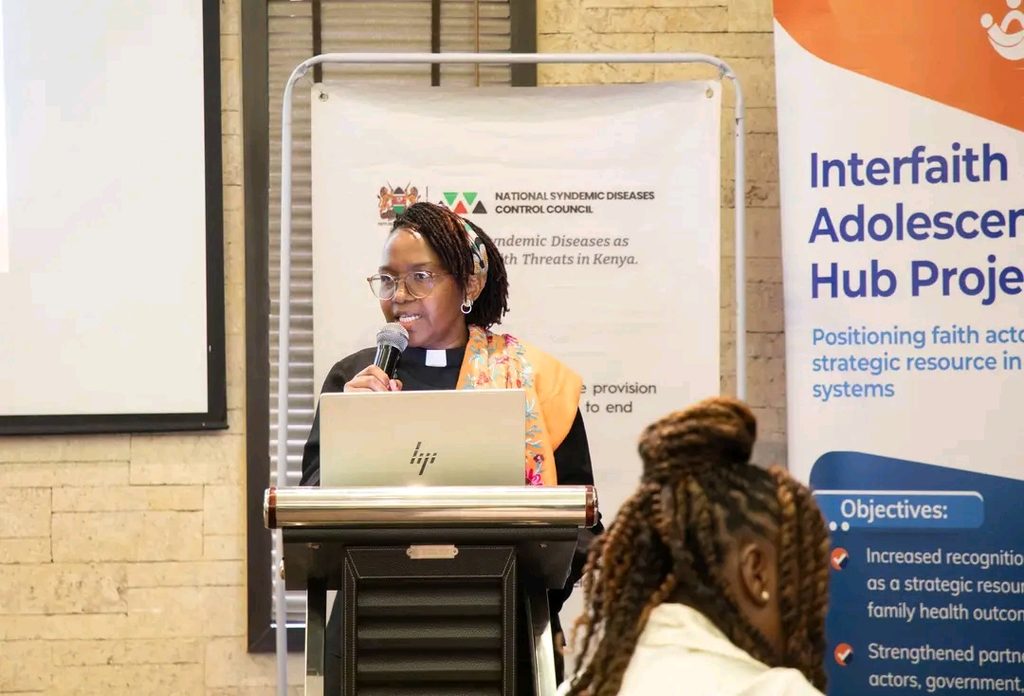
Faith to Action Network Chief Executive Officer Rev Jane Ng’ang’a said the establishment of the National Interfaith Hub on Family Health and Wellbeing provided an opportunity for religious organisations to work more closely with government agencies and development partners.
She said the platform would support the development of a comprehensive action plan addressing a wider range of family health issues instead of focusing largely on HIV interventions.
Launched in April 2026, the National Interfaith Hub serves as a platform for dialogue, information sharing and sustained collaboration between faith communities and government institutions.
During the meeting, participants reviewed national health policy priorities, identified capacity and coordination gaps and discussed issues to be incorporated into the proposed roadmap.
Isabella Kiplangat of the National Council for Population and Development said faith-based institutions had extensive community networks, health and educational facilities and established leadership structures that positioned them to mobilise families and deliver health messages at the grassroots.
She said the institutions could also help link communities to health information and services while supporting national and county government priorities.
According to the 2026 National HIV Estimates by the NSDCC, Kenya has 1,481,853 people living with HIV, including 69,330 children aged below 15.
The estimates put HIV prevalence among people aged 15 to 49 at 3.22 per cent, with women recording a higher prevalence of 4.28 per cent compared with 2.14 per cent among men.
The initiative brings together several faith-based organisations, including the Organization of African Instituted Churches, Inter-Religious Council of Kenya, Supreme Council of Kenya Muslims, Kenya Conference of Catholic Bishops and National Council of Churches of Kenya, alongside Christian Aid and ACT Alliance.
The partners said the process would establish clear priorities, implementation structures and accountability mechanisms to strengthen the contribution of faith communities to family health and wellbeing across the country.