Kenya has placed children, adolescents and young people at the centre of this year’s World AIDS Day celebrations, with the groups accounting for 55 per cent of new HIV infections despite a decline in the overall number of infections.
The country will kick off the commemorations with a national half marathon at Nyayo National Stadium on November 29, followed by activities across all 47 counties on December 1, which marks World AIDS Day.
The 2026 celebrations will be held under the theme, “Protect, Prevent, Empower: Ending AIDS Among Children, Adolescents and Young People,” highlighting the challenges facing younger populations in accessing HIV testing, treatment and prevention services.
The commemorations are being organised by the National Syndemic Diseases Control Council (NSDCC), in partnership with the National AIDS and STI Control Programme (NASCOP), county governments and civil society organisations.
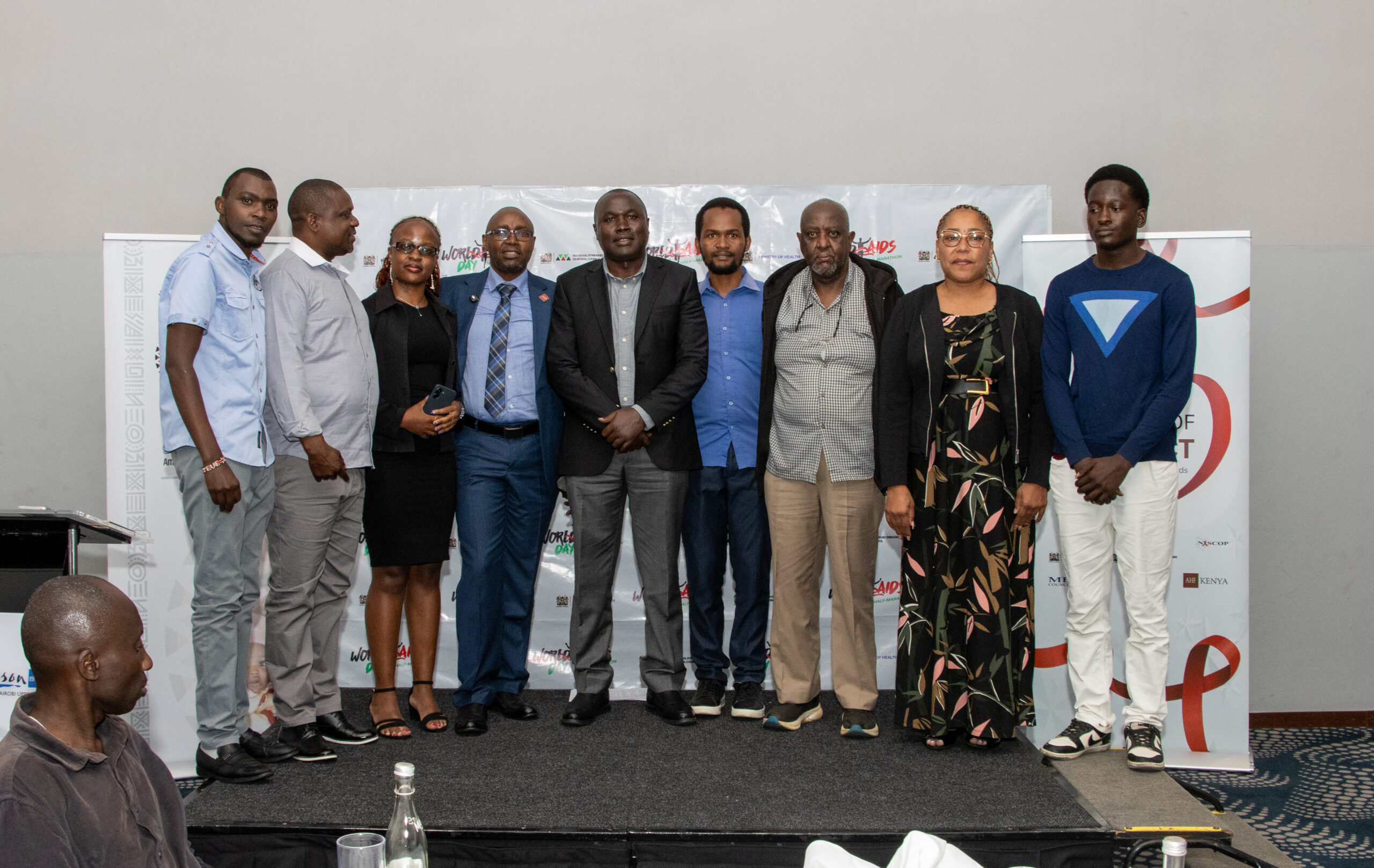
The launch also coincided with the unveiling of the second edition of the #VoicesOfImpact HIV and STIs Media Awards, an initiative by the Voices of Impact Awards Committee and AIDS Healthcare Foundation (AHF) Kenya to recognise journalism that promotes awareness and understanding of HIV and sexually transmitted infections.
The call for entries opened on Friday, with the awards ceremony scheduled for June 18, 2027. The Kenya Editors’ Guild and the Media Council of Kenya are also supporting the initiative.
According to the Kenya HIV Estimates 2026, the country recorded 13,936 new HIV infections in 2025, representing a 56.5 per cent decline from 32,027 in 2021.
However, children and young people continue to face significant challenges, accounting for 55 per cent of new infections recorded last year.
Children aged between zero and 14 years accounted for 3,396 of the new infections, while the national HIV treatment indicators show a significant gap between children and adults.
Kenya’s overall progress towards the 95-95-95 HIV targets stands at 93:91:87, compared with 79:60:52 among children aged zero to 14 years.
The figures indicate that fewer children are being diagnosed, placed on treatment and achieving viral suppression compared with the general population.
Children account for 4.7 per cent of people living with HIV in Kenya but contribute 11.5 per cent of AIDS-related deaths. The child fatality rate stands at 32.1 per 1,000, compared with 12.2 among adults.
Nairobi, Homa Bay and Kisumu counties have recorded the highest child AIDS-related mortality.
Despite the decline in new infections, the country continues to face challenges in closing gaps in paediatric HIV treatment.
Of the estimated 69,330 children living with HIV, about 14,559 remain undiagnosed, while 21,908 have been diagnosed but are not receiving treatment. Nearly half of children on treatment have also not achieved viral suppression.
Mother-to-child HIV transmission stood at 8.04 per cent in 2025, above the global target of less than five per cent.
Dr Samuel Kinyanjui, AHF Kenya Country Director, said children born with HIV could live full lives if they received timely diagnosis, treatment and adequate support.
“A child born with HIV in Kenya today has every reason to live a full life. Whether she does is now a question of logistics and attention, not of science,” he said.
NSDCC Chief Executive Officer Douglas O. Bosire said the government was strengthening interventions targeting children, adolescents and young people to sustain the progress made in reducing new infections.
“The 56 per cent fall in new infections since 2021 is a hard-won gain, but it will not hold if we lose our children,” he said.
Bosire said the Kenya AIDS Strategic Framework was being implemented with children, adolescents and young people at the centre of the national response, with county governments expected to play a greater role.
He added that county activities on December 1 would include public accountability forums where county leaders would report on progress towards achieving paediatric HIV treatment targets.
Dr Andrew Mulwa, Head of NASCOP, said the government was prioritising the prevention of mother-to-child transmission and expanding access to HIV prevention services.
“We cannot accept a vertical transmission rate above five per cent, and we will not,” he said.
Mulwa said the government was scaling up early infant diagnosis, strengthening treatment support for mothers living with HIV and expanding access to long-acting prevention options.
He noted that the twice-yearly injectable pre-exposure prophylaxis (PrEP) was being rolled out in 15 priority counties.
The programme will also strengthen sexually transmitted infections surveillance alongside HIV testing, particularly among young people.
The launch further highlighted the role of the media in addressing stigma and improving public understanding of HIV.
Media Council of Kenya Director of Media Training and Development Victor Bwire said journalists had a responsibility to ensure accurate and responsible reporting on HIV and other health issues.
“Accurate, stigma-free reporting is not a favour to the response. It is a professional obligation,” he said.
Bwire said the Council would support the awards, noting that they recognise reporting that upholds professional standards, including the use of respectful language, informed consent, protection of children and adolescents and verification of information.
The awards were first launched in 2025 and recognised journalists whose work highlighted different aspects of the HIV response.
Among those recognised were Jackline Opiyo for reporting on the impact of global aid withdrawal in Bungoma, Joshua Araka for highlighting the challenges facing mothers living with HIV and cancer, Millicent Kubai for reporting on the experiences of young people diagnosed with HIV and Nathan Ochunge for coverage of funding cuts affecting paediatric services.
Organisers said the second edition would also seek to attract more young journalists after the Young Journalist category went unawarded in the inaugural edition due to a lack of entries.
National Empowerment Network of People Living with HIV/AIDS in Kenya (NEPHAK) Executive Director Nelson Otwoma said media coverage could help bring issues affecting people living with HIV to the attention of policymakers.
“When a journalist picks up the phone, an issue that was whispered in a support group becomes a matter for Parliament,” he said.
Representing young people, Emmanuel Barare said reaching younger audiences required communication approaches that reflected how they consume information, particularly through digital platforms.
He also raised concerns about misinformation on social media, including unverified claims about herbal remedies for HIV.
The focus on young people comes against the backdrop of Kenya’s youthful population, with 59 per cent of Kenyans aged 24 years and below.
The national half marathon scheduled for November 29 at Nyayo National Stadium will feature five categories: a 21-kilometre competitive half marathon, a 10-kilometre road race, a 10-kilometre wheelchair race, a five-kilometre family, corporate and policymakers’ race, and a two-kilometre children’s fun run.
Participants will also have access to integrated health services, including medical camps, HIV testing, screening and linkage to care.
Other activities will include a Kids’ Festival and a Youth Colour Festival.
On December 1, counties will hold activities including public accountability forums, candle-lighting ceremonies, memorial vigils, tree-growing exercises, community dialogues and distribution of dignity packs.