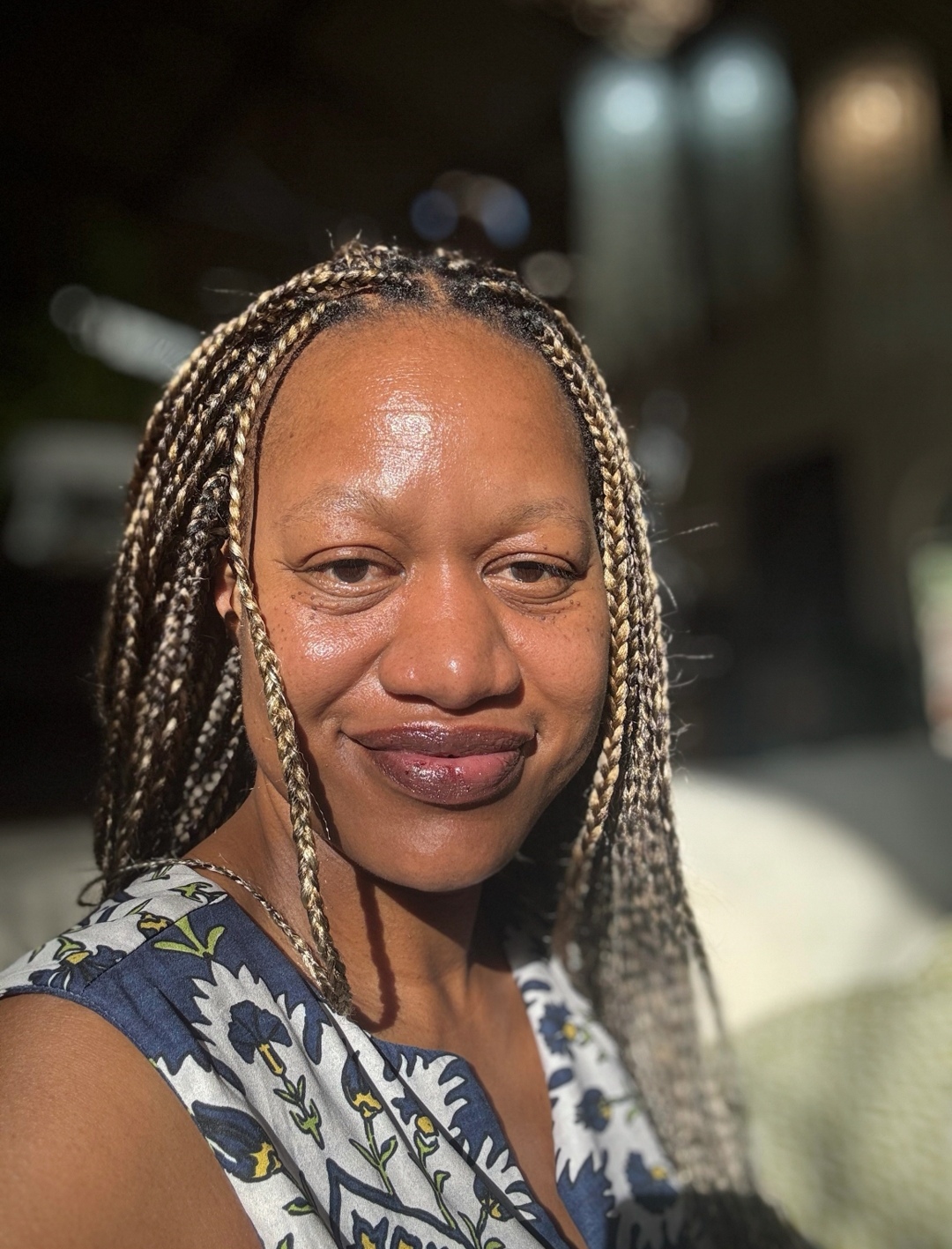
By the East Africa Journal Reporter
Raised in Zimbabwe, Dr. Duduzile Musa developed an early understanding of the barriers that shape access to healthcare. In resource-constrained communities, she witnessed firsthand how delayed treatment and systemic limitations could significantly impact patient outcomes.
These early experiences laid the groundwork for a medical career that would span continents, from St. George’s University in Grenada to clinical practice in both the United States and the United Kingdom.
At St. George’s University, Dr. Musa underwent rigorous training that combined foundational Basic Sciences with early clinical exposure. The program demanded resilience and adaptability while preparing students to operate across diverse healthcare systems. She describes the experience as both challenging and transformative, noting that it strengthened her confidence and ability to navigate complex environments.
Her time at the university helped her build a solid clinical foundation while exposing her to multicultural settings and high-pressure medical training. Beyond academic development, the experience shaped her perspective on patient care and decision-making, particularly in demanding clinical scenarios.
During her clinical rotations, Dr. Musa engaged with patients from varied socioeconomic backgrounds, reinforcing a key insight: access to healthcare is shaped not only by availability, but also by affordability, awareness, and broader systemic factors. She emphasizes that effective treatment goes beyond diagnosis, requiring an understanding of the obstacles patients face in seeking care.
After earning her medical degree, she advanced into postgraduate training, further refining her clinical skills across different healthcare systems. Her work in the United Kingdom, particularly within the National Health Service, has been instrumental in developing her approach to patient-centered care. Operating in a structured and resource-conscious environment, she has collaborated with multidisciplinary teams, managed complex cases, and adapted to diverse patient populations.
In addition to academic training, St. George’s University fostered a strong sense of community. Interacting with peers from varied cultural backgrounds supported both her professional and personal growth, reinforcing the value of collaboration in medicine.
Today, Dr. Musa’s career reflects a blend of global training and practical relevance. Her journey highlights how international medical education can equip physicians with the skills and perspective needed to address real-world healthcare challenges.
It also underscores a broader principle: medicine is not only about technical expertise, but about delivering care that is accessible, responsive, and grounded in the realities of the communities it serves.
For more information on available programs, visit St. George’s University’s official website.