By Jameson Mutua
County governments have been urged to adopt more inclusive, accountable, and sustainable waste management systems following a three-day national conference convened in Nairobi by the Centre for Environment Justice and Development (CEJAD), in partnership with the International Centre for Local Democracy (ICLD) and the Embassy of Sweden in Kenya.
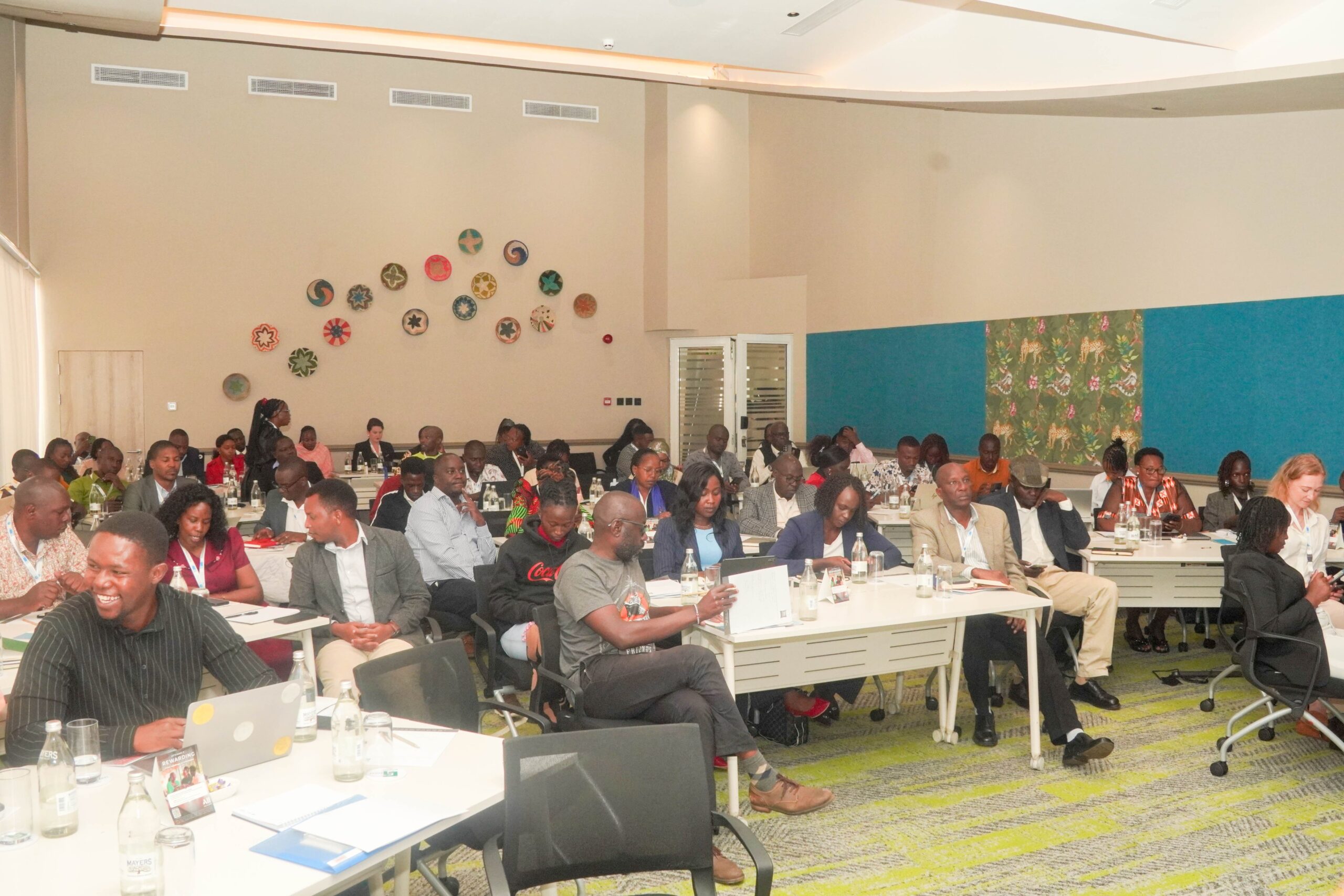
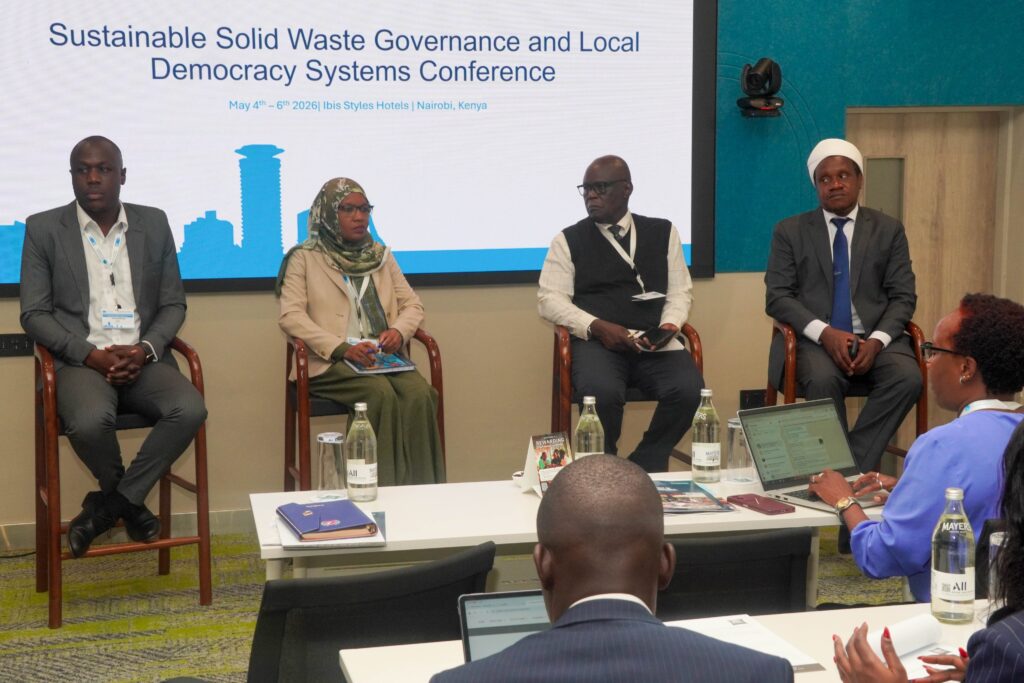
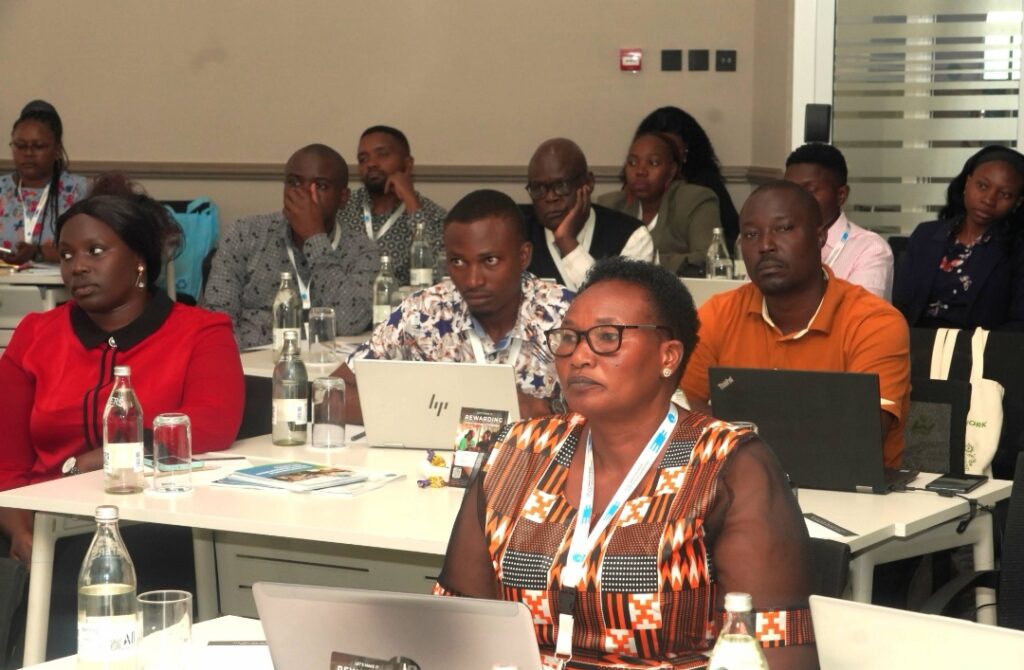
The Sustainable Solid Waste Governance and Local Democracy Systems Conference 2026, held from May 4 to 6 in Nairobi, brought together representatives from national and county governments, development partners, civil society, private sector actors, academia, and waste picker organizations.
In his key address, Molu Wato, Director of Waste Management and Pollution Control at the Ministry of Environment, Climate Change and Forestry, said partnerships such as the conference demonstrate the power of collective action in shaping inclusive and effective governance systems. He emphasized that informal waste pickers play a critical role in the waste management system, contributing significantly to recycling and material recovery.
CEJAD Executive Director Griffins Ochieng said the forum focused on strengthening policy implementation, promoting inclusive governance, and enhancing collaboration between national and county governments in managing waste.
“We have been discussing sustainable waste management and the role of local democracy systems, particularly how counties can better integrate waste pickers and grassroots actors into formal systems,” he said.
Ochieng emphasized that waste management remains a devolved function, placing primary responsibility on counties, while the national government plays a key role in policy formulation and regulation.
He highlighted the importance of Kenya’s transition from a linear “use and dispose” model to a circular economy, supported by the Extended Producer Responsibility (EPR) framework, which shifts accountability for waste from consumers to producers.
“The EPR regulation ensures that producers take responsibility for the lifecycle of their products, including waste management. However, awareness and implementation at the county level remain limited,” he noted.
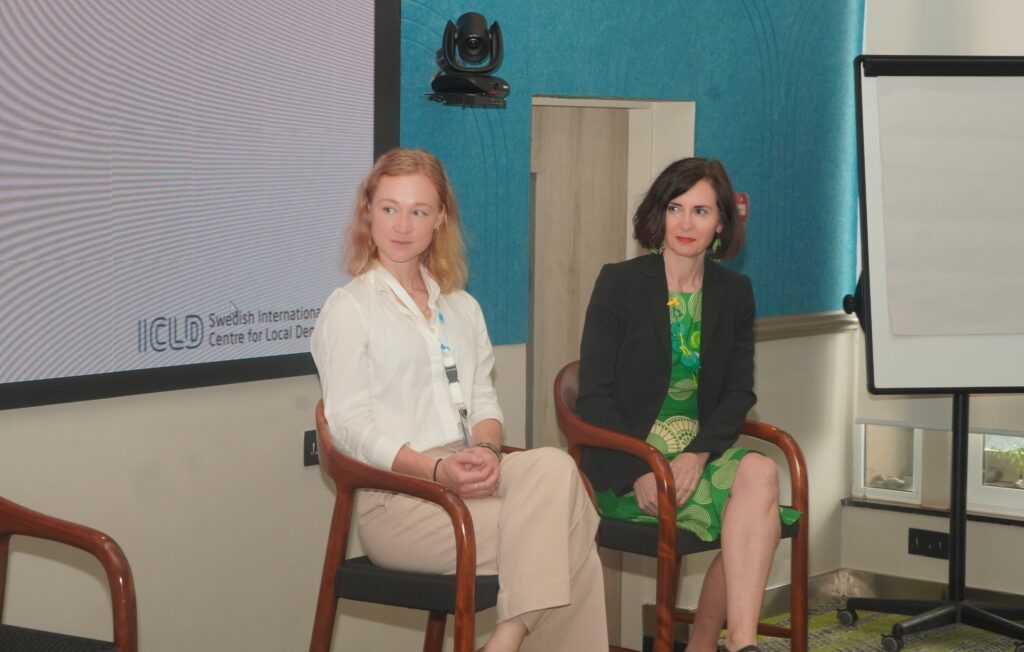
The conference also served as a platform to disseminate findings from recent CEJAD-ICLD research examining local government engagement with grassroots waste workers and civil society.
Participants shared practical solutions for sustainable waste management, including waste segregation at source, recycling innovations, and the use of technologies such as black soldier fly systems to convert organic waste into compost.
Ochieng further warned of the broader impacts of poor waste management, noting that plastic pollution poses serious health risks beyond environmental damage.
“Waste is not just about clogged drainage systems. The chemicals released, especially when plastics are burned, contribute to air pollution, greenhouse gas emissions, and significant health risks,” he said.
María José Zapata Campos, Research Chief at ICLD, said the conference aimed to enhance awareness and knowledge among county governments on inclusive waste management approaches.
“We have seen strong consensus that waste pickers are central to solid waste management systems. Without them, cities would struggle to function. However, they are still not fully integrated into county systems or decision-making processes,” she said.
She added that collaboration between Swedish and Kenyan municipalities has played a significant role in advancing sustainable waste management and local democracy practices over the past two decades.
Leaders of waste picker organizations also called for greater recognition and inclusion in policy frameworks and implementation structures.
Gisora Nyambuti, Chairperson of the Kenya National Waste Pickers Welfare Association, said the conference had opened new pathways for engagement between waste pickers and county governments.
“Our key takeaway is the need for structured integration of waste pickers into county systems. This will ensure better coordination, fair compensation, and improved efficiency in waste collection and recycling,” he said.
Nyambuti highlighted challenges facing waste pickers, including lack of formal recognition, limited access to markets, and inconsistencies in payment systems under the EPR framework.
He noted disparities between urban and rural areas, where waste volumes and market access differ significantly, affecting the livelihoods of waste pickers.
According to the National Environment Management Authority (NEMA), Kenya generates an estimated 22,000 tonnes of waste daily, approximately 8 million tonnes annually, with only about 10 percent being recycled or properly managed. Rapid urbanization is driving this crisis, with 70 to 80 percent of waste being organic, and major cities such as Nairobi producing between 2,000 and 2,500 tonnes daily, overwhelming existing disposal sites.
Meanwhile, the latest Kenya National Bureau of Statistics (KNBS) report shows that Kenya generated 55,596 tonnes of electronic waste in 2025, underscoring the scale of a growing waste crisis even as the country accelerates efforts to build a circular economy.
In recent years, the country has enacted key legislation, including the Sustainable Waste Management Act 2022 and the Extended Producer Responsibility (EPR) Regulations 2024, to strengthen waste management systems, particularly in addressing electronic waste.