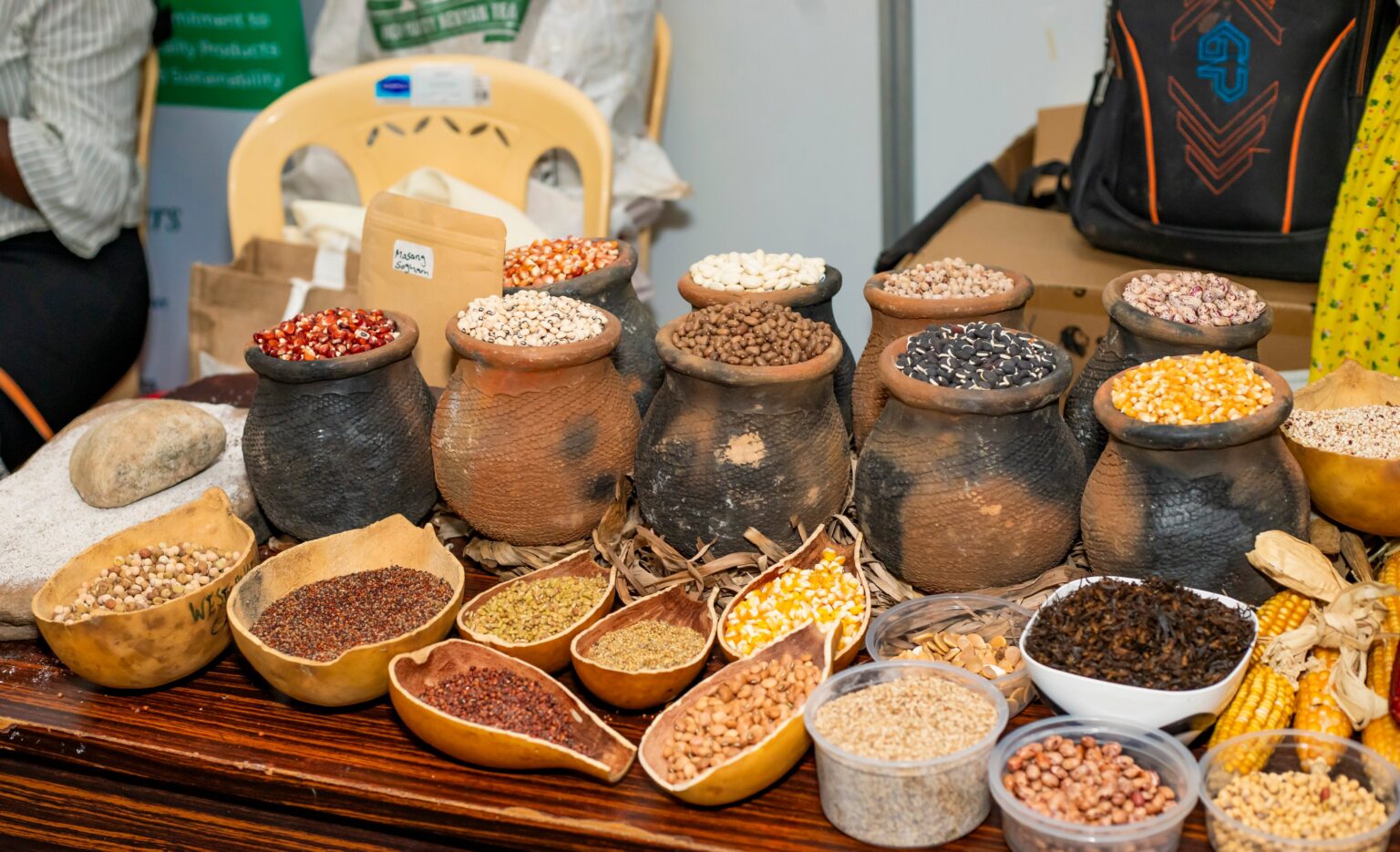
Communities have been urged to preserve indigenous seed varieties and traditional farming knowledge to strengthen food security, protect biodiversity and promote sustainable agriculture.
The call was made by the Institute for Social Accountability (TISA) during discussions held on the sidelines of the first East Africa Indigenous Seed Conference, which brought together community representatives, agricultural leaders and development partners to explore ways of conserving indigenous seeds and building resilient food systems.
Judy Nyokabi, Happy Family Captain, stressed the importance of preserving indigenous maize varieties and ensuring traditional agricultural knowledge is passed down from one generation to another.
She said indigenous maize varieties remained valuable because of their ability to withstand prolonged storage, adapt to local growing conditions and provide food for both households and livestock.
Nyokabi said community training and mobilisation efforts had resulted in the formation of a Community-Based Organisation (CBO) dedicated to promoting the preservation and use of indigenous seeds.
She noted that the initiative had received encouraging support from community members, with farmers embracing seed exchange programmes and plans underway to establish a community seed bank to conserve traditional varieties and safeguard agricultural heritage.
Kiambu County Executive Committee Member for Agriculture Wilfred Mwenda called for greater access to diverse seed varieties, saying farmers should be supported to grow crops suited to their local environments.
Mwenda said the county had made progress through the development and enactment of the Kiambu County Agroecology Development Policy and the Agroecology Development Act 2026.
He said the frameworks promote indigenous seeds, traditional breeding practices and natural food production, urging other counties to adopt similar policies and legislation to strengthen agroecological practices and improve farmers’ access to diverse seed varieties.
Canada Seed Change Gender and Social Inclusion Analyst Dr Sheila Rao said effective seed systems required more than technological solutions, highlighting the importance of community participation, infrastructure and institutional support.
She noted that women played multiple roles in seed systems but continued to face gender inequalities and barriers that were often overlooked due to limited data.
Rao called for increased access to funding, agricultural inputs and decision-making platforms for resource-constrained communities.
She also emphasised the need to educate farmers about existing laws and intellectual property frameworks that protect their rights to own, access and control seeds.
The conference brought together TISA, Welthungerhilfe (WHH), the Food and Agriculture Organization of the United Nations (FAO), the Sun CSA Network Kenya and the Right to Food Coalition, among other stakeholders, to explore strategies for strengthening inclusive, gender-responsive and resilient seed systems across East Africa.