By Jameson Mutua
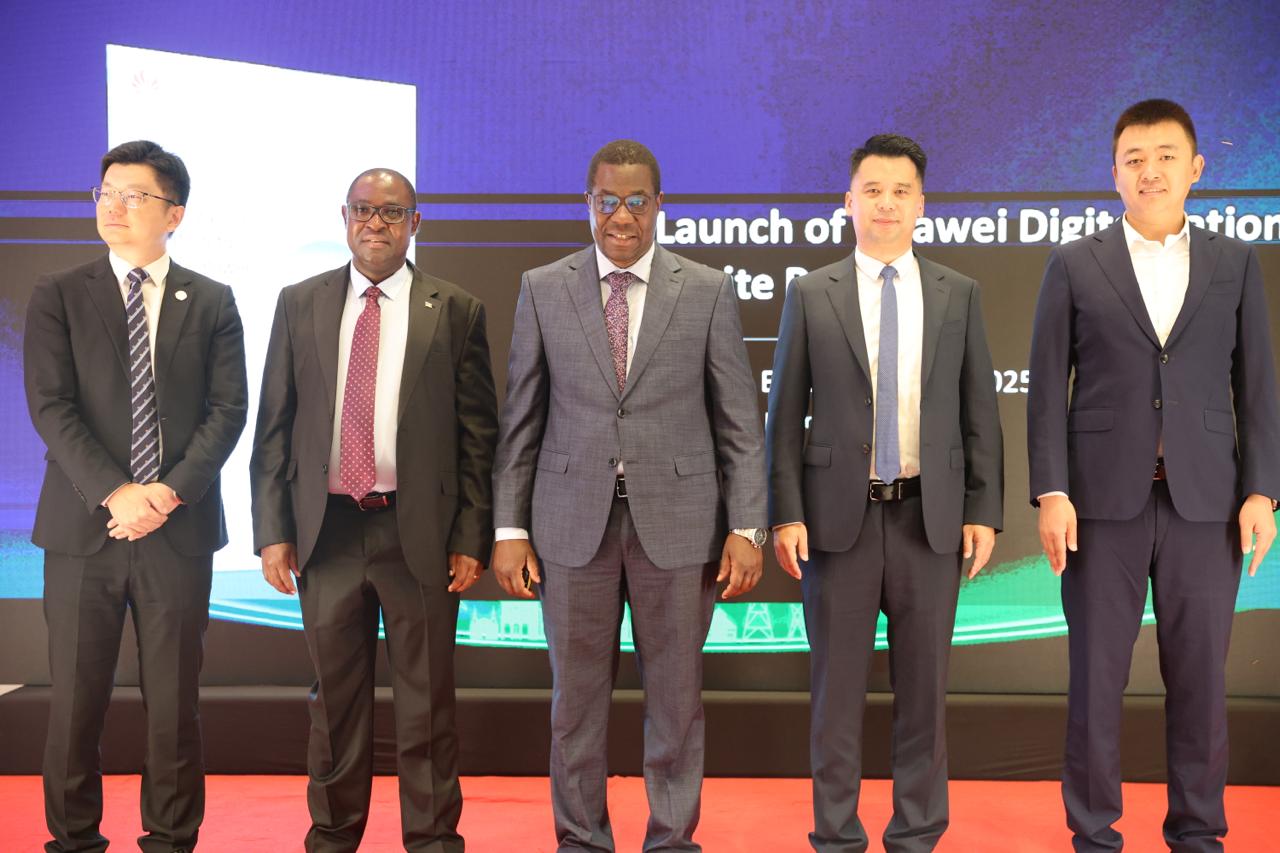
Huawei has unveiled its Digitalization White Paper for the Energy Industry during the Huawei Kenya Energy Summit 2025 held in Nairobi. The document lays out a detailed roadmap for transforming Kenya’s energy sector through advanced digital technologies.
The white paper outlines strategies for integrating smart solutions to strengthen grid resilience, enhance efficiency, and accelerate the adoption of clean energy aligning with Kenya’s goal of achieving sustainable energy access for all.
Titled Digitalization Trends in the Electric Power Industry, the report presents a four-pillar framework for energy transformation. It highlights the development of digital green power plants through end-to-end digital twins and intelligent remote management; automated grid inspections powered by smart monitoring tools; multi-source self-healing distribution networks capable of detecting and resolving faults autonomously; and the integration of multiple energy sources across smart campuses to boost operational efficiency and sustainability.
Together, these innovations demonstrate how digital technologies can modernize Kenya’s power infrastructure, improve reliability, and drive the transition toward a low-carbon, intelligent energy ecosystem.
“The Huawei Kenya Energy Summit 2025 marks an important milestone in advancing Kenya’s digital energy agenda,” said Hon. Opiyo Wandayi, Cabinet Secretary for Energy and Petroleum, during the official opening. “We commend Huawei’s leadership in promoting smart grid systems and renewable energy integration. Kenya remains fully committed to achieving universal access to clean, reliable, and modern energy by 2030 through innovation, partnership, and technology.”
The launch brought together key players from Kenya’s energy and power sectors, as well as ecosystem partners, to explore digital solutions shaping the country’s energy future. Panel discussions focused on how smart grids, artificial intelligence (AI), and cloud computing can improve grid stability, efficiency, and renewable energy integration.
Benjamin Muoki, Manager of Telecommunications and Service Delivery at Kenya Power, spoke about the company’s ongoing digital transformation initiatives designed to enhance service delivery, network reliability, and customer experience. He cited major investments in a 100G national fiber backbone, SCADA automation, and cloud-based systems, key enablers of Kenya Power’s shift toward a smarter, greener energy model.
Samuel Cheng, Managing Director of Huawei Kenya’s Enterprise Business Group, reaffirmed the company’s long-term commitment to supporting Africa’s energy transition.
“Digitalization and innovation are redefining how we produce and consume energy, and Kenya is leading this transformation,” he said. “Together with our partners, Huawei is building a smarter, more sustainable energy ecosystem for future generations.”
Through the new White Paper, Huawei reinforces its dedication to sharing global best practices, fostering collaboration, and supporting Kenya’s national energy goals. The publication offers practical insights to help stakeholders modernize infrastructure, optimize resource use, and drive sustainable growth in the energy sector.