By Jameson Mutua
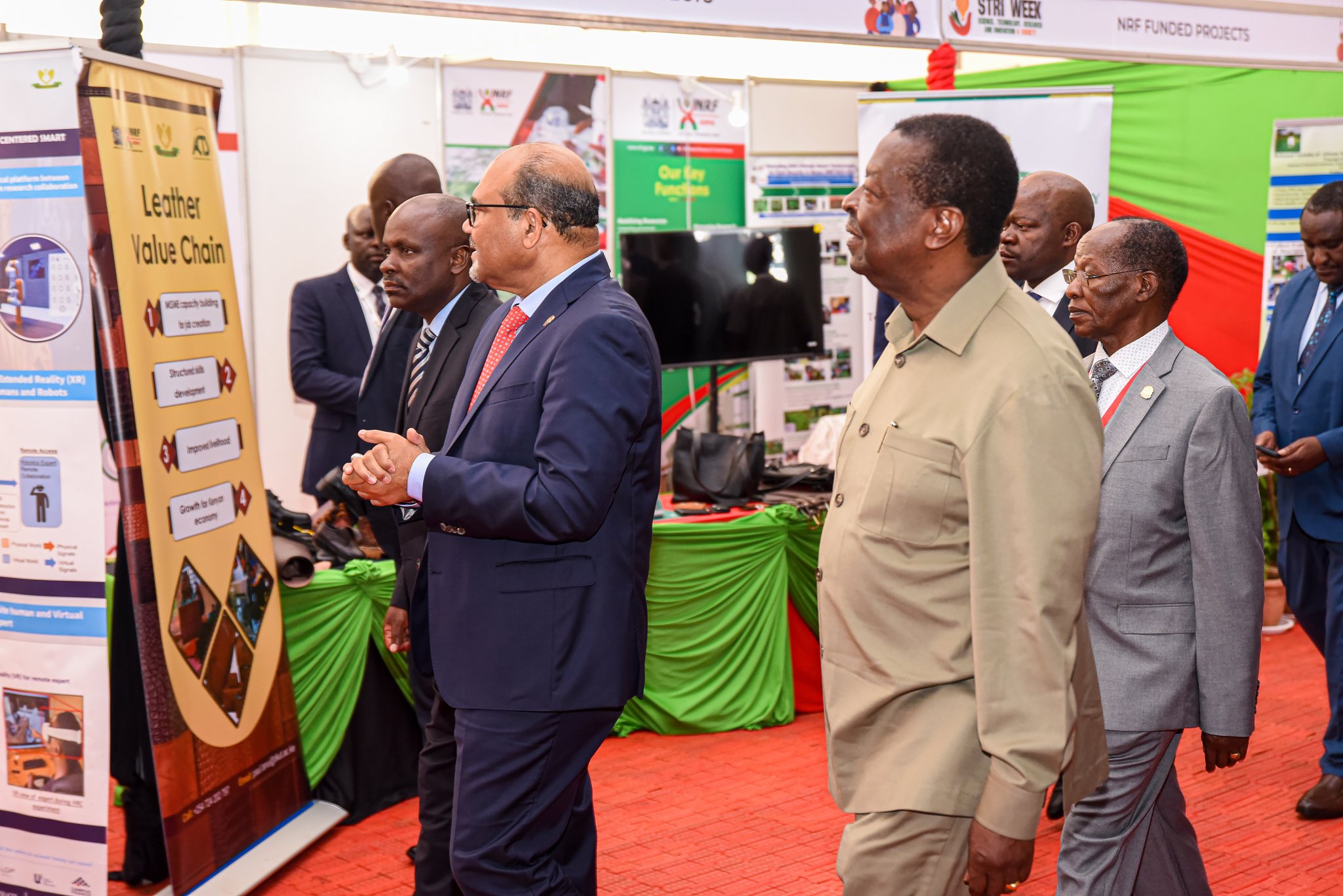
Principal Secretary for Science, Research and Innovation Prof. Shaukat Abdulrazak has called on Parliament to champion increased and coordinated investment in research and innovation, saying Kenya risks stagnation unless it strengthens its knowledge economy and fully implements national commitments on research funding.
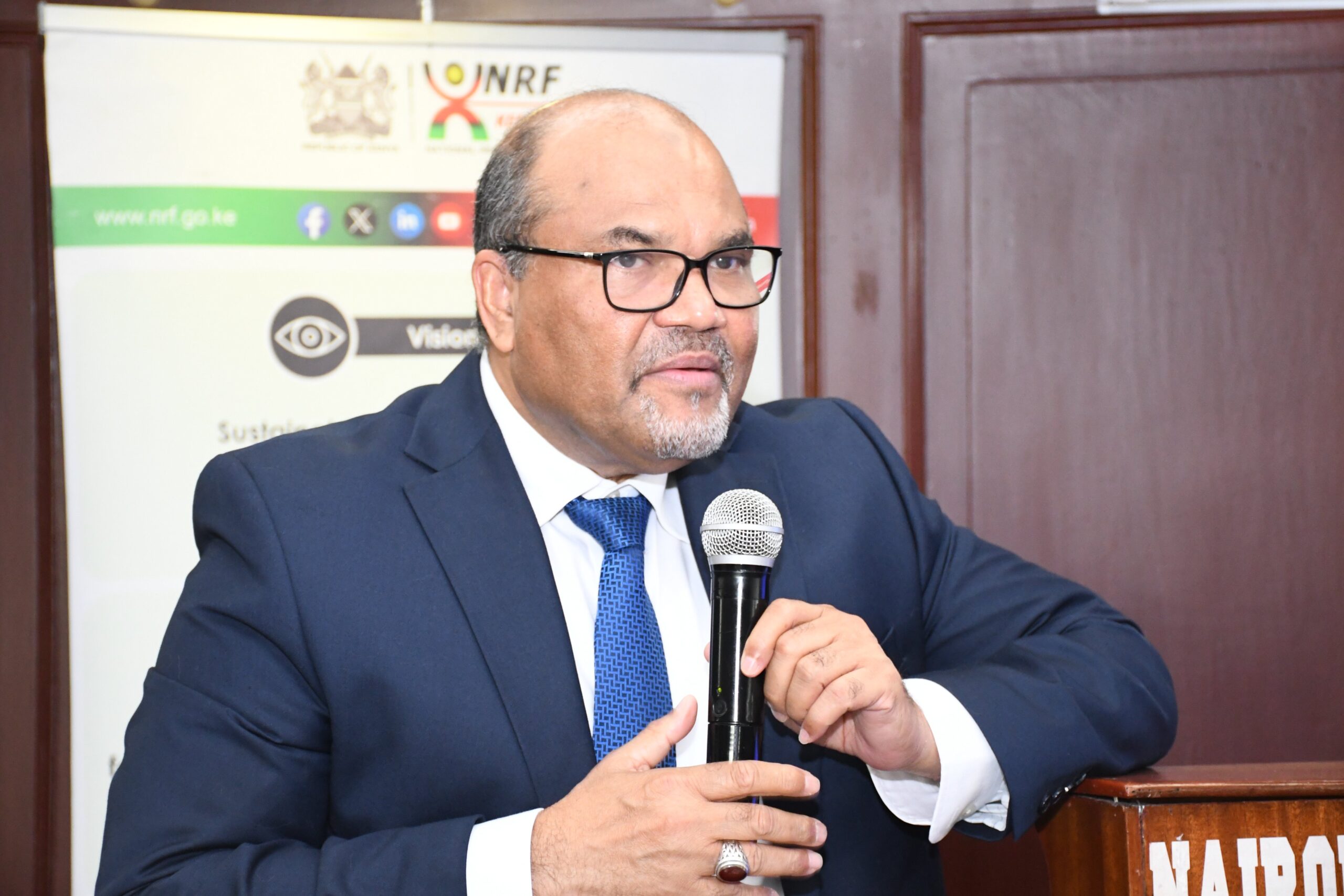
Speaking during the validation meeting for the Kenya Research Financing and Capacity Strengthening Masterplan (2026–2036) in Nairobi on Tuesday, Prof. Abdulrazak said the country must walk the talk on research investment, noting that Kenya’s current expenditure of about 0.8 percent of GDP on Research and Development (R&D) remains far below the statutory target of 2 percent.
Prof. Abdulrazak, who previously helped midwife the Science, Technology and Innovation Act a decade ago, said Kenya has the talent and potential to become a science-driven economy but continues to underinvest in critical research capacity.
“It is unacceptable, 60 years after independence, that we still import food worth 500 billion shillings, or that we experience 30 percent post-harvest losses,” he said. “We have the brains, we have the biodiversity, and we have the potential. What we need is the enabling environment.”
The validation meeting, convened by the Ministry of Education’s State Department for Higher Education and Research, brought together multiple Ministries, Departments and Agencies (MDAs) to review the draft 10-year Masterplan led by the National Research Fund with support from ISAAA AfriCenter and the RISA Fund.
The Masterplan outlines five pillars for strengthening Kenya’s research ecosystem: sustainable financing, modern research infrastructure, human capital development, industry linkages, and improved policy and regulatory alignment.
It proposes diversified funding channels including public investment, private sector partnerships, diaspora financing, and instruments such as Research and Innovation Bonds. It also sets out plans to establish national laboratories, high-performance computing systems, research hubs, technology parks, commercialization centres, and stronger science communication platforms.
Prof. Abdulrazak said the creation of the new State Department of Science, Research and Innovation by President William Ruto signals renewed political commitment. “We are on the right trajectory,” he said. “His Excellency has been clear that we must reach the 2 percent target. He wants us to grow from the current shortfall of 180 billion shillings to one trillion shillings within the next ten years.”
The PS underscored the need for Parliament to support the consolidation of Kenya’s many research institutions under a coordinated national framework to improve accountability and avoid duplication.
At the moment, we are fragmented. Even the 0.8 percent figure we quote is doubtful…… we must bring all research institutions under one coordinating body. This is not about control; it is about ensuring accountability and impact. Prof Abdulrazak
He warned that without coordinated investment, Kenya risks wasting its intellectual capital: “We are paying researchers and intellectuals to sit in their offices and do nothing because there is no research funding. That cannot continue.”
Prof. Abdulrazak emphasized that research must deliver tangible national benefits, including food security, reduced imports, climate resilience, renewable energy expansion, and improved health outcomes. He noted that Kenya currently produces 300–400 PhDs annually but needs at least 1,000 to support national development goals.
The PS highlighted opportunities in nuclear energy, artificial intelligence, robotics, and biotechnology, stressing the importance of preparing Kenya’s workforce and infrastructure for emerging technologies.
He noted that policies on research and development, artificial intelligence, science diplomacy, and biosecurity are at an advanced stage and will be presented to Parliament soon. “We must have the laws and policies that guide technology so it benefits us rather than harms us,” he said.
Using examples from China’s rapid technological growth, including robo-taxis and advanced urban mobility, Prof. Abdulrazak said Kenya must adopt a forward-looking mindset. “If today they have robo-taxis, where will they be in 30 years? We must envision a Kenya that does not remain behind.”
The validation meeting is expected to affirm government-wide support, finalize priority interventions, and pave the way for Cabinet consideration of the Masterplan.
Once adopted, the Masterplan will align research financing with Vision 2030, MTP IV, and the Bottom-Up Economic Transformation Agenda. It aims to shift Kenya from fragmented, underfunded initiatives to a coherent national system capable of commercializing innovations and driving economic growth.