By Jameson
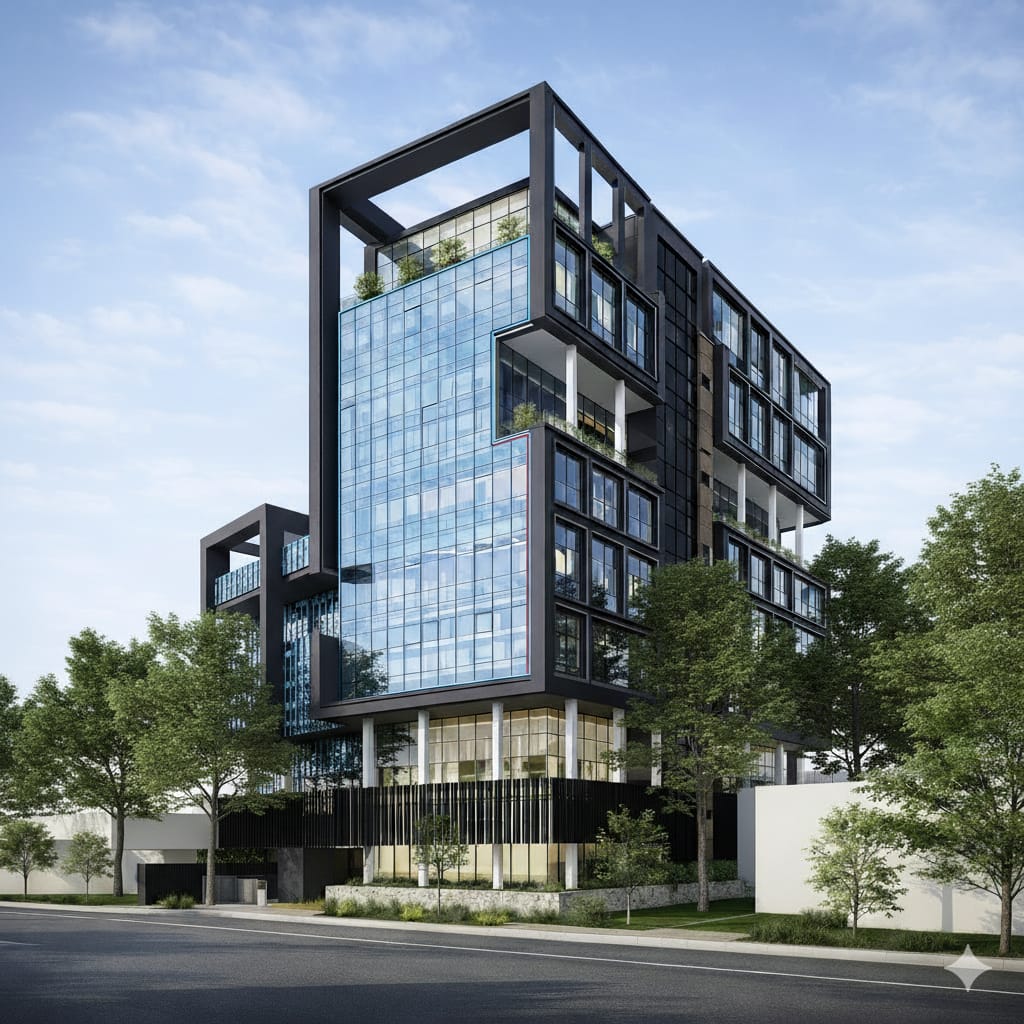
Chief Justice Martha Koome has described the planned Wakili Towers as a defining milestone in the institutional growth of the Law Society of Kenya, saying the project will cement the society’s long held dream of a modern, dignified home while strengthening access to justice for Kenyans.
Speaking during the groundbreaking ceremony for Wakili Towers on Friday in Nairobi, Chief Justice Koome traced the project’s roots to decades of advocacy within the LSK, noting that the vision predates her own tenure as a council member in the mid 1990s. She said the aspiration for a permanent home had occupied a central place in the society’s collective imagination even at a time when limited resources made its realization seem distant.
“This is my home,” Koome told advocates, referring to the Law Society of Kenya. “This is where I came from, where I grew. The vision of a modern and dignified home for the Law Society is not new. It has been nurtured over decades.”
She recalled a period when the LSK operated with a minimal secretariat and relied heavily on the voluntary efforts of council members, yet maintained strong governance structures, high professional standards, and meticulous records. According to the Chief Justice, those early commitments laid the institutional foundation that has now made Wakili Towers possible.
Koome paid tribute to former LSK leaders and councils, singling out Senior Counsel Ahmednasir Abdullahi for initiating the purchase of the property in 2004, as well as other senior advocates who kept the vision alive across successive administrations. She said Wakili Towers would stand as a testament to that collective effort and institutional continuity.
“It may have taken many years for this dream to reach the point of realization, but it is better late than never,” she said. “When this tower is standing, no one will remember that we were late. They will remember how beautiful and how iconic it is.”
Beyond serving as a physical headquarters, the Chief Justice emphasized that Wakili Towers would play a substantive role in strengthening the legal profession and expanding access to justice. She noted that the development could host suites for arbitration and mediation, positioning the LSK to support alternative dispute resolution mechanisms and ease pressure on the courts.
“These are the new frontiers we are going into to ensure that justice is accessible, affordable, and responsive to the needs of our people,” Koome said, linking the project to broader efforts to decongest courts and promote multi door approaches to justice delivery.
She also praised the consultative relationship between the bench and the bar, commending the current LSK leadership for constructive engagement with the judiciary and for advocating judicial independence through principled dialogue. Koome reaffirmed that the judiciary does not take sides in LSK elections and will continue to work with whichever leadership advocates elect.
The Chief Justice framed Wakili Towers as more than a building, describing it as a symbol of resilience, unity, and the forward looking spirit of Kenya’s legal profession.
“It will serve present and future generations of advocates, and through them, the countless Kenyans who rely on the law for protection, dignity, and justice,” she said.