By Jameson Mutua
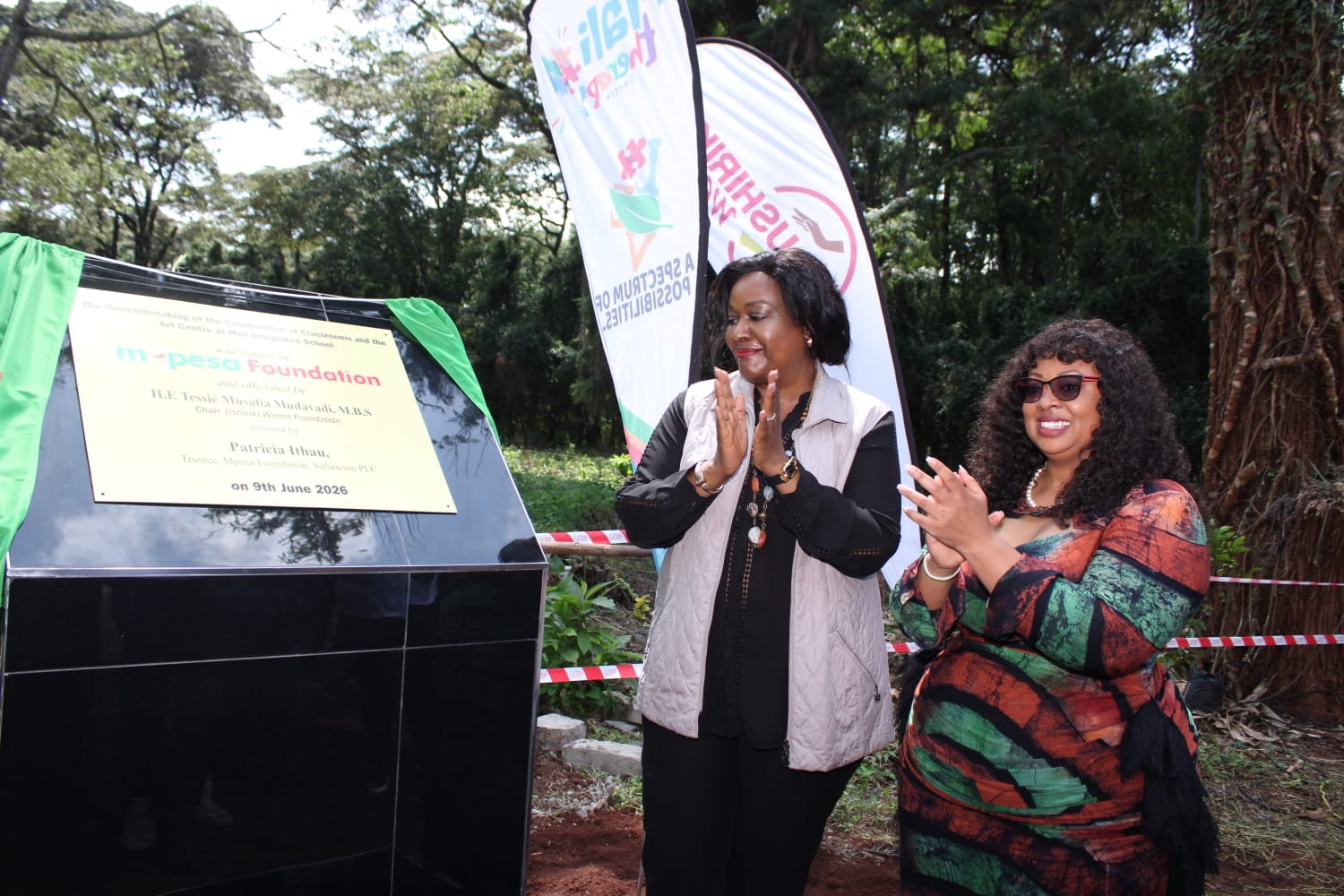
A major milestone in inclusive education was marked on Tuesday following the groundbreaking ceremony of Mali Integrated School in Karen, Nairobi, a project that aims to transform learning opportunities for children with diverse educational needs across East and Central Africa.
The school, being developed through a partnership between Mali Therapy Center for Kids with Autism and the M-PESA Foundation, is expected to become the first institution in East and Central Africa to offer adaptive education options for learners with diverse needs within an integrated learning environment.
Speaking during the ceremony, Ushiriki Wema Foundation Chair Her Excellency Tessie Musalia said the project represents a bold commitment to ensuring that neurodivergent children and learners with disabilities have access to quality education alongside their peers.
“There is something profoundly moving about groundbreaking because it is one of the most hopeful acts a community can perform,” she said. “Today, as we turn the soil, we are making a declaration on behalf of every neurodivergent child whose journey through education has not always been easy and whose talent and potential deserves to be recognized, nurtured and celebrated.”
Musalia emphasized that integrated education is an evidence-based approach that enables learners of different abilities, backgrounds and learning needs to learn together in the same classrooms. She noted that such environments foster belonging, peer support and improved educational outcomes while helping build a more inclusive society.
She called for collective action among government institutions, educators, healthcare professionals, communities and development partners to ensure no child is left behind. According to Musalia, the Government of Kenya has established systems to support children with disabilities through the Ministries of Health, Education, and Labour and Social Protection.
She urged parents to seek early assessment and registration of children with disabilities through the National Council for Persons with Disabilities, saying the process helps unlock access to services, assistive devices, inclusive education support and social protection programmes.
Musalia also lauded the partnership between Ushiriki Wema Foundation and the M-PESA Foundation, describing it as a demonstration of how philanthropy can be harnessed to advance inclusion and integration in education.
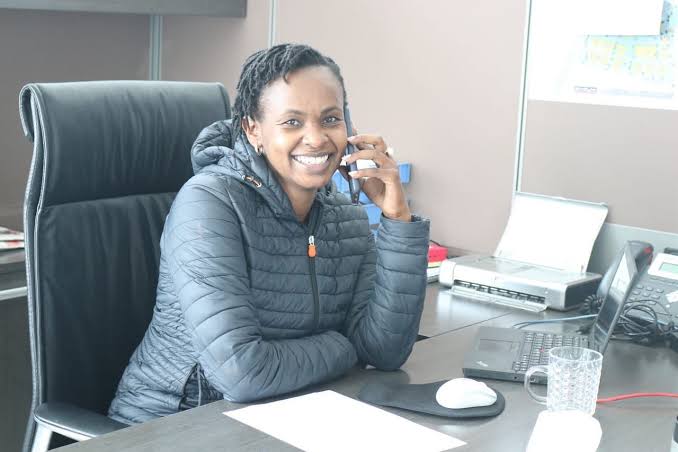
She further commended Pauline Wamukowa for championing the establishment of the school, saying the initiative would help remove barriers and unlock opportunities for children with special needs.
National Council for Persons with Disabilities Regional Coordinator Jane Wamugu described the groundbreaking as the beginning of a transformative journey towards equitable and quality education for all learners.
Wamugu said Mali Integrated School would serve as a powerful symbol of inclusion by bringing together learners with and without disabilities in a shared environment that promotes diversity, empathy, collaboration and mutual respect.
She noted that the project aligns with constitutional guarantees on the right to education as well as provisions of the Persons with Disabilities Act, 2025, which seeks to promote accessibility, reasonable accommodation and equal participation in all aspects of life.
“The establishment of Mali Integrated School is not only an investment in infrastructure but also an investment in the realization of our constitutional and legislative commitments,” she said.
Wamugu pledged the National Council for Persons with Disabilities’ support in ensuring inclusion remains central to the institution’s development. The council will provide technical guidance on accessibility standards, assistive technologies, teacher capacity building and implementation of inclusive policies.
Once completed, the school will feature accessible classrooms, pathways, sanitation facilities, learning resources and assistive technologies designed to support learners with varying needs. The project will also include a sports facility intended to benefit students, parents and caregivers by providing a holistic space for therapy, recreation and community engagement.
Education stakeholders attending the ceremony described the project as a model that could influence the future of inclusive education across the region.
The groundbreaking ceremony concluded with calls for sustained collaboration among government agencies, development partners, educators, parents and communities to ensure the successful completion of the institution and the advancement of inclusive education for future generations.
The school is expected to stand as a centre of excellence demonstrating that integrated education can create opportunities for all learners while strengthening social cohesion and community development.