By Editor
Family Bank Group has reported a 56 percent increase in Profit After Tax, rising to KES 3.5 billion for the nine months ending September 30, 2025, compared to KES 2.3 billion during the same period last year.
The strong performance was supported by sustained growth in interest income, a solid balance sheet and prudent cost management.
Total assets increased by 24.1 percent to KES 202.5 billion, driven by higher investments in government securities, which rose to KES 39.0 billion. The loan book grew by 10.1 percent to KES 103.7 billion, while total interest income expanded by 21.2 percent, largely due to income from loans and government securities. The Bank closed the nine-month period with an impressive KES 10.9 billion in net interest income.
Total non-funded income rose by 14.4 percent, supported by increased customer transactions, ongoing investment in digital solutions and stronger partnerships focused on SME lending.
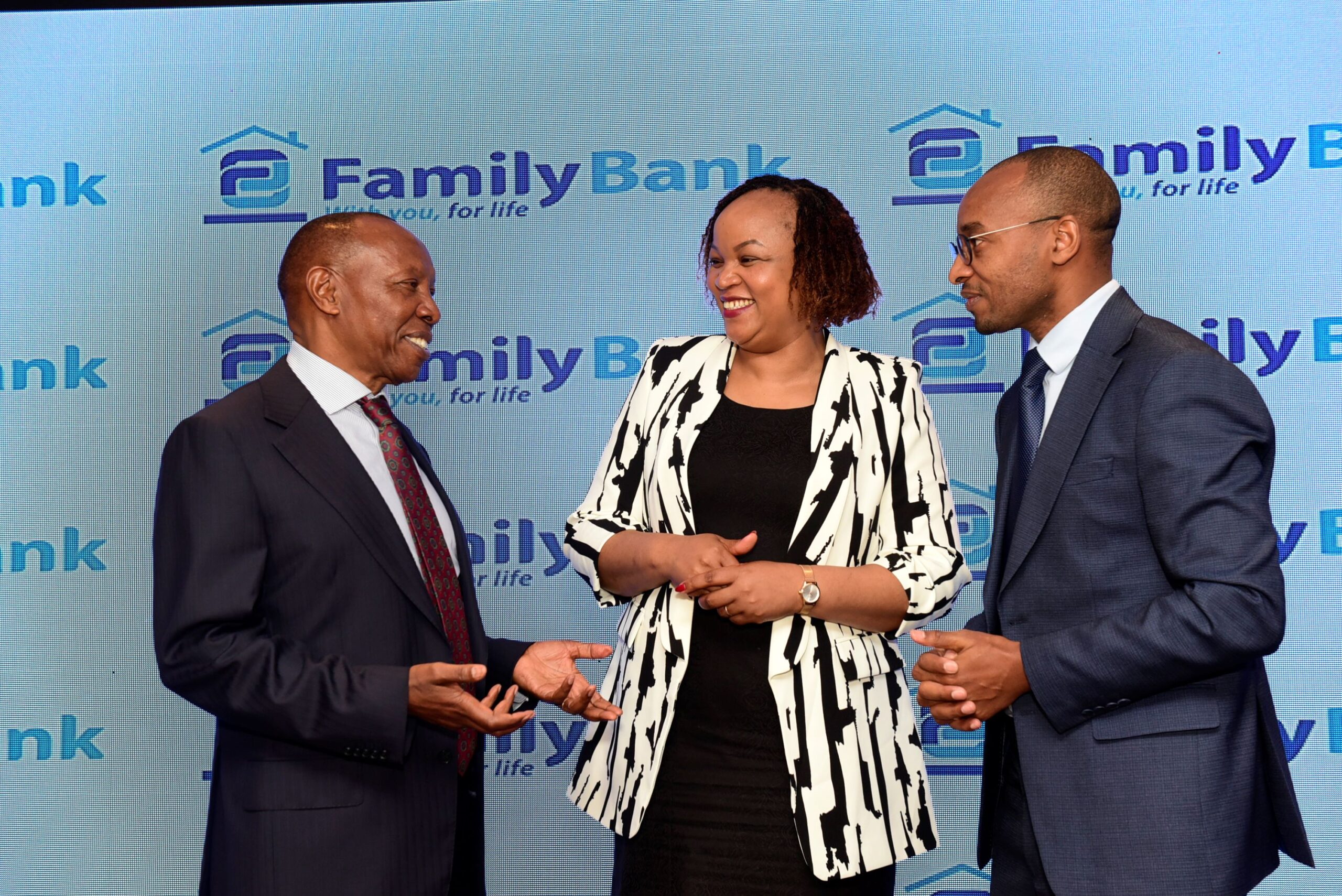
During the investor briefing forum, Family Bank CEO Nancy Njau attributed the strong results to the effective execution of the Bank’s strategic priorities.
“This robust performance aligns with our strategic focus on innovation, digital transformation, customer centricity and strategic partnerships designed to scale our SME lending capabilities. This positions Family Bank as the Preferred Bank for Biashara as we work towards our planned listing at the NSE in 2026. As we move into the final quarter of the year, we remain committed to placing our customers first and driving sustainable shareholder value,” she said.
Customer deposits rose by 15.3 percent to KES 146.8 billion, reflecting continued customer trust and confidence in the Bank’s financial stability and quality of service.
Operating expenses increased by 33 percent, mainly due to moderate growth in staff costs and prudent provisioning for loan losses, which rose to KES 1.3 billion in line with the Bank’s risk management framework.
Core capital reached KES 19.6 billion, up from KES 14.7 billion, signalling strong capital adequacy amid progressive core capital requirements. The liquidity ratio remained well above the statutory minimum of 20 percent at 54.4 percent, underscoring the Bank’s strong balance sheet and capital strength.