The government has said it is prepared to respond to the anticipated El Niño weather phenomenon, which is expected to peak between November 2026 and January 2027 and bring heavy rains and other extreme weather conditions to parts of Kenya.
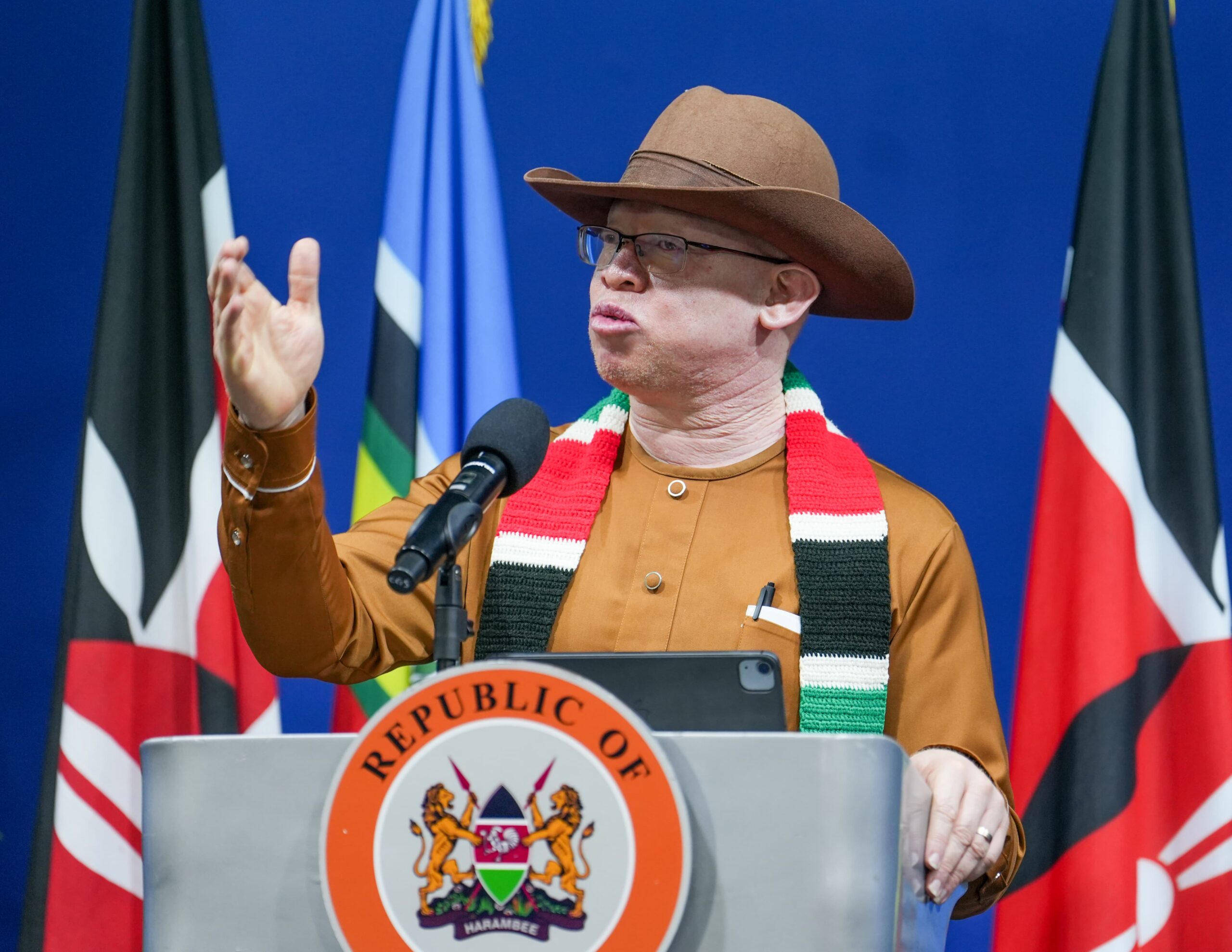
Speaking in Nairobi on Monday, Government Spokesperson Dr. Isaac Mwaura said a multi-agency preparedness plan involving ministries, government agencies, county governments and development partners had been activated to minimise the impact of the October-November-December short rains.
He said emergency response teams had been strengthened, areas likely to require relief assistance identified, and food and non-food supplies pre-positioned. The government is also reviewing logistics systems to ensure rapid deployment of aid in the event of floods and other emergencies.
“County governments are updating contingency plans while public awareness campaigns continue to educate communities on safety measures. They have also been directed to clear drainage systems, reinforce roads and bridges, identify evacuation centres, stock emergency medical supplies and allocate adequate funding for relief and recovery operations”, ~ Government Spokesperson, Dr. Isaac Mwaura.
Dr. Mwaura said farmers and other agricultural stakeholders were receiving technical guidance to protect crops and livestock from the expected weather conditions and safeguard national food security.
He acknowledged that some farmers in western Kenya had already suffered crop losses due to irregular rainfall linked to evolving El Niño conditions and assured them that the government would support areas experiencing total crop failure to avert food shortages.
According to the World Meteorological Organization, intensifying El Niño conditions are likely to increase above-normal rainfall in some regions while causing drier conditions elsewhere.
El Niño is a naturally occurring climate pattern that develops every two to seven years and influences weather worldwide. In East Africa, it is often associated with above-average rainfall during the October-December short rains, increasing the risk of flooding, landslides and disease outbreaks, although it can also improve soil moisture and pasture conditions in arid areas.
Kenya has experienced severe El Niño events in 1997-1998, 2015-2016 and 2023-2024, which caused widespread flooding, destruction of infrastructure, displacement of thousands of families and extensive agricultural losses, underscoring the importance of early preparedness and coordinated disaster response.