By Erick Wanjala
The East African Community’s One-Stop Border Post approach has been identified as one of the coordinated measures supporting efforts to combat the spread of the 17th Ebola outbreak, which reportedly began on May 15, 2026, according to a case study by VillageReach.
Dr Ahmed Ogwell Ouma, President and CEO of VillageReach, a health organisation working with partners in more than 15 African countries, says the infrastructure needed to stop outbreaks is the same infrastructure that operates before an outbreak is detected.
“The infrastructure that stops outbreaks is the same one that operates before an outbreak is detected,” Ouma said in the report.
During a virtual interview with journalists, VillageReach Senior Manager and Tanzania Country Lead Wema Kamuzora said the organisation’s achievements in Africa, particularly in Tanzania, were driven by flexibility and adaptability.
“I proudly say that our achievements are attributed to government engagements that make us flexible and enable us to align with policies, which keep changing from time to time,” Kamuzora said.
The report highlights the growing capacity of East African surveillance systems to detect potential outbreaks before they escalate into public health emergencies, describing the investments as increasingly beneficial.
Across Africa, event-based surveillance frameworks now operate in two-thirds of African Union member states, while national public health institutes in West, East and Central Africa have developed integrated surveillance systems that were largely absent a decade ago.
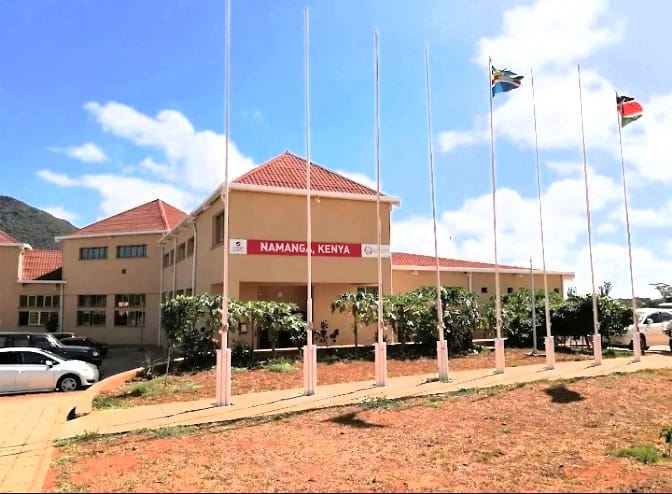
At the Namanga One-Stop Border Post, the approach is aligned with the 7-1-7 framework, which sets targets of seven days to detect a public health threat, one day to notify authorities and seven days to complete an effective initial response.
According to the report, the difference in outbreak response is not necessarily technical capacity but proximity to communities and the ability to identify and report threats early.
VillageReach argues that surveillance systems are most effective when communities actively participate in identifying and reporting potential health threats.
The report warns that surveillance can fail when the first warning reaches health institutions only after an outbreak has gained momentum, turning a threat that could have been contained locally into a crisis requiring national and international intervention.
The Bundibugyo strain currently in circulation is one of four Ebola virus species known to infect humans. It has no licensed rapid diagnostic test, specific therapeutic treatment or vaccine, according to the report.
VillageReach says the systems being used to detect and contain outbreaks increasingly reflect African-led investments and expertise.
Despite these milestones, the report points to a decline in regional funding for health preparedness, from USD 25.8 billion in 2021 to USD 13 billion in 2025.
The funding trend has renewed concerns among health stakeholders and experts about the sustainability of preparedness programmes, with calls for greater investment in prevention and early detection rather than relying primarily on responses after outbreaks occur.