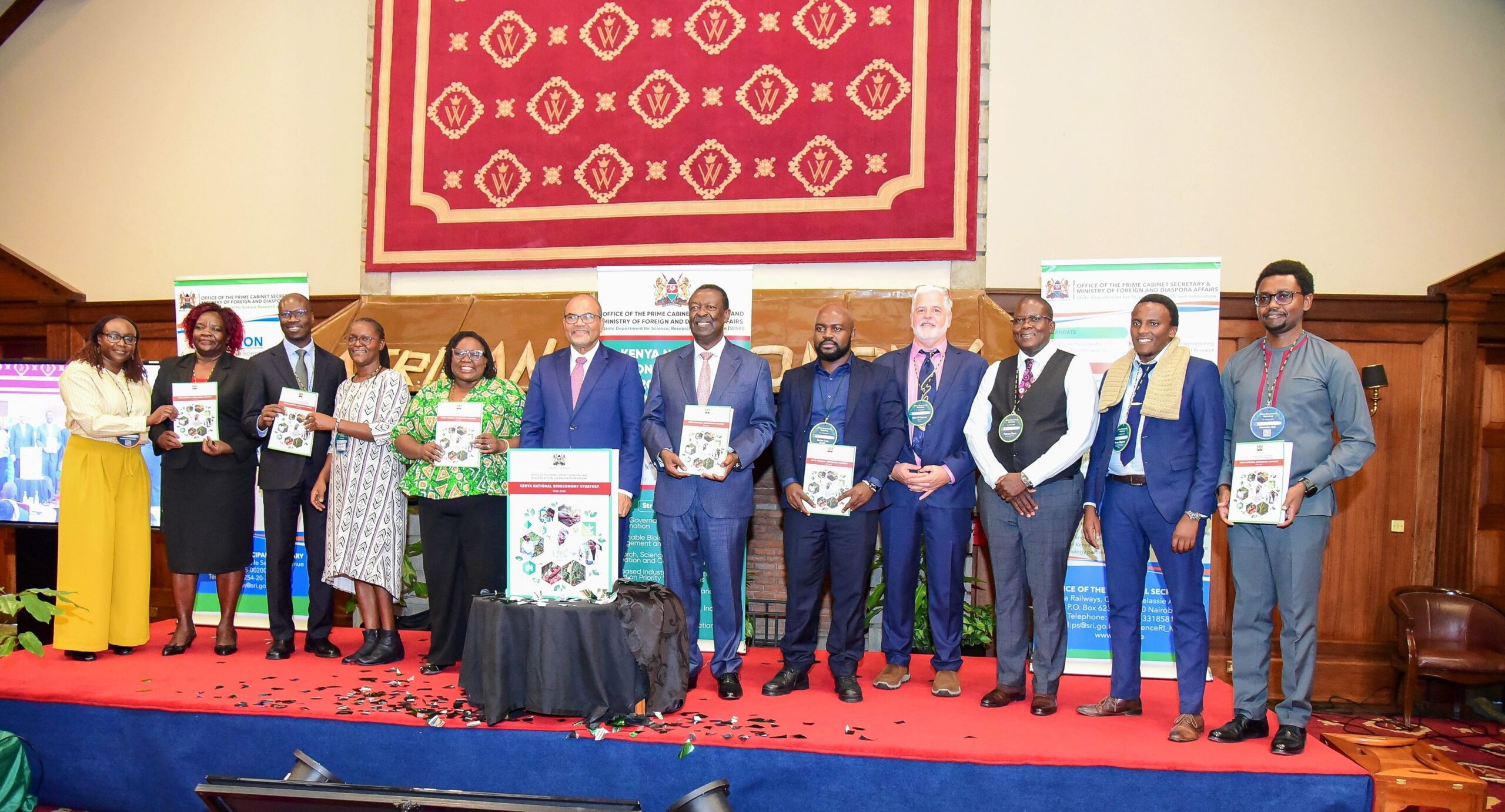
Kenya has launched its National Bioeconomy Strategy 2026–2036, setting an ambition to mobilise Sh100 billion in investment and transform the country’s biological resources, scientific knowledge and innovation into industries, jobs and higher-value products.
The strategy, launched on Tuesday by Prime Cabinet Secretary and Cabinet Secretary for Foreign and Diaspora Affairs Musalia Mudavadi in Nairobi, provides a 10-year framework for developing Kenya’s bioeconomy and strengthening value addition across agriculture, manufacturing, healthcare, energy, biotechnology and other sectors.
Mudavadi said Kenya had the biological diversity, agricultural resources, scientific expertise, young population and innovation ecosystem required to build a competitive bioeconomy.
“The question is no longer whether we have the resources to build a bioeconomy, but whether we have the vision and determination to turn those resources into greater prosperity for our people,” he said.
He said the strategy would help the country move beyond being a producer and exporter of raw biological resources by promoting domestic value addition, commercialisation of innovations and development of competitive bio-based industries.
“The bioeconomy is not merely about biology. It is about the kind of economy we want to build and the kind of future we want to create,” Mudavadi said.
The Prime Cabinet Secretary described the strategy as a whole-of-government economic and industrial framework aligned with the Bottom-Up Economic Transformation Agenda (BETA).
He said it would provide a response to challenges including unemployment, economic volatility, exposure to external trade shocks and the growing effects of climate change.
Mudavadi said investment would be critical to achieving the strategy’s objectives, noting that Kenya already has scientific knowledge, biological resources and entrepreneurial capacity but requires financing to take innovations from research and early development through commercialisation and scaling.
The Government, he said, is committed to progressively increasing investment in research and development towards two per cent of Gross Domestic Product.
He said a Bioeconomy Investment and Financing Roadmap would help identify investment opportunities, mobilise partnerships and connect priority value chains and enterprises to appropriate sources of finance.
“The success of this Strategy will ultimately be measured not by the quality of the document we launch today, but by the businesses established, the innovations commercialised, the investments mobilised, the value chains strengthened and, most importantly, the jobs and livelihoods created for Kenyans,” Mudavadi said.
Principal Secretary for Science, Research and Innovation Professor Shaukat Abdulrazak said the State Department would focus on ensuring that research and innovation translate into economic and social value.
Abdulrazak said the department was working with universities and research institutions to improve access to finance, infrastructure, mentorship and markets to help transform research into commercial products.
He said the sector had previously been fragmented and that efforts were underway to improve coordination among universities, research institutions and other players.
According to Abdulrazak, many research institutions have limited budgets for their core research mandates, constraining their ability to undertake research and develop innovations.
He said he had initiated a process to bring together experts from research institutions to develop bankable projects and financing instruments that recognise the longer investment periods and risks associated with bio-based enterprises.
“The Sh100 billion ambition by 2036 must not remain a target on paper. It must translate into investments, enterprises, technologies, jobs and improved livelihoods,” Abdulrazak said.
He said the State Department was also developing a Biosecurity Policy, Nuclear Science and Technology Policy and Science Diplomacy Policy, which he said would strengthen the country’s science, research and innovation ecosystem.
The department has also developed an Artificial Intelligence Strategy and is working on an AI policy as part of efforts to promote research, productivity and commercialisation.
What you need to know
- The bioeconomy is the use of renewable biological resources to produce food, energy and industrial goods, which supports sustainability.
- Technological advancements, such as gene editing and bioprinting, are key to driving the bioeconomy.
- Successful integration between bioeconomy sectors will help promote long-term sustainability goals.
Director General of the International Centre of Insect Physiology and Ecology (icipe), Dr Abdou Tenkouano, said the bioeconomy could support Africa’s transition towards sustainable and inclusive economic growth.
He said the continent could use biological resources and scientific knowledge to develop industries in areas including food systems, sustainable construction, biobased chemicals, biopharmaceuticals, biopackaging and bioenergy.
Tenkouano noted that agriculture contributes between 23 and 35 per cent of GDP in many sub-Saharan African countries and generates significant quantities of biomass that could serve as a foundation for bio-based industries.
He said adding value to biomass, strengthening supply chains and enabling distributed manufacturing could help diversify African economies and create jobs.
Tenkouano noted that the East African Community adopted a dedicated regional bioeconomy strategy in 2022, which he described as the first of its kind among Africa’s regional economic communities.
He said the strategy prioritises food security, health and wellbeing, bioenergy and sustainable industries.
Niall O’Connor, Centre Director of the Stockholm Environment Institute Africa, said East Africa must now shift from developing research and pilot projects to building commercially viable industries.
He said entrepreneurs were already turning agricultural residues and organic waste into energy, materials, animal feeds and fertilisers, but more support was needed to enable such businesses to grow.
O’Connor said East Africa needed to move from exporting raw biological resources to retaining greater value locally through processing and manufacturing.
The region should also move from isolated pilot projects to clusters connecting producers, suppliers, researchers, processors and investors, while harmonising standards, certification and trade rules to support a larger regional market.
He identified patient capital, reliable biomass supplies, quality assurance, shared infrastructure, stronger management and market access as critical requirements for scaling bio-based enterprises.
O’Connor said promising opportunities include biodegradable packaging, industrial enzymes, natural fibres, renewable oils, bio-based construction materials, biogas and locally adapted biorefineries.
He urged governments to develop coherent policies and implementation roadmaps, while financial institutions develop blended and patient financing instruments suited to bio-based enterprises.
He also called for stronger research-industry linkages and greater investment from within Africa to support homegrown development.
O’Connor said the region should strengthen monitoring of the bioeconomy to track its contribution to employment, enterprise growth, trade, value addition and bioenergy.
He further called for a formal mid-term review of the East African Community Regional Bioeconomy Strategy 2022–2032 to assess progress and identify areas requiring adjustment.
The speakers emphasised the importance of regional cooperation, with Kenya expected to work with East African Community partners to expand markets, strengthen scientific collaboration, develop cross-border value chains and improve the competitiveness of African bio-based enterprises.
The strategy also seeks to create opportunities for young people, women and communities while ensuring that biological resources are used sustainably and that the benefits generated are equitably shared.
Mudavadi said Kenya’s ambition should extend beyond its borders and contribute to Africa’s broader economic transformation.
“No country needs to build the entire bioeconomy on its own,” he said, noting that regional cooperation could combine scientific expertise, productive capacity, markets and entrepreneurial capabilities.
He said the Government would work with researchers, private-sector players, development partners, regional institutions and innovators to ensure the strategy moves from policy to implementation.
“We must ensure that the young Kenyan who has an idea in a laboratory, on a farm, in a university or in an innovation hub can see a pathway from that idea to a viable enterprise,” Mudavadi said.
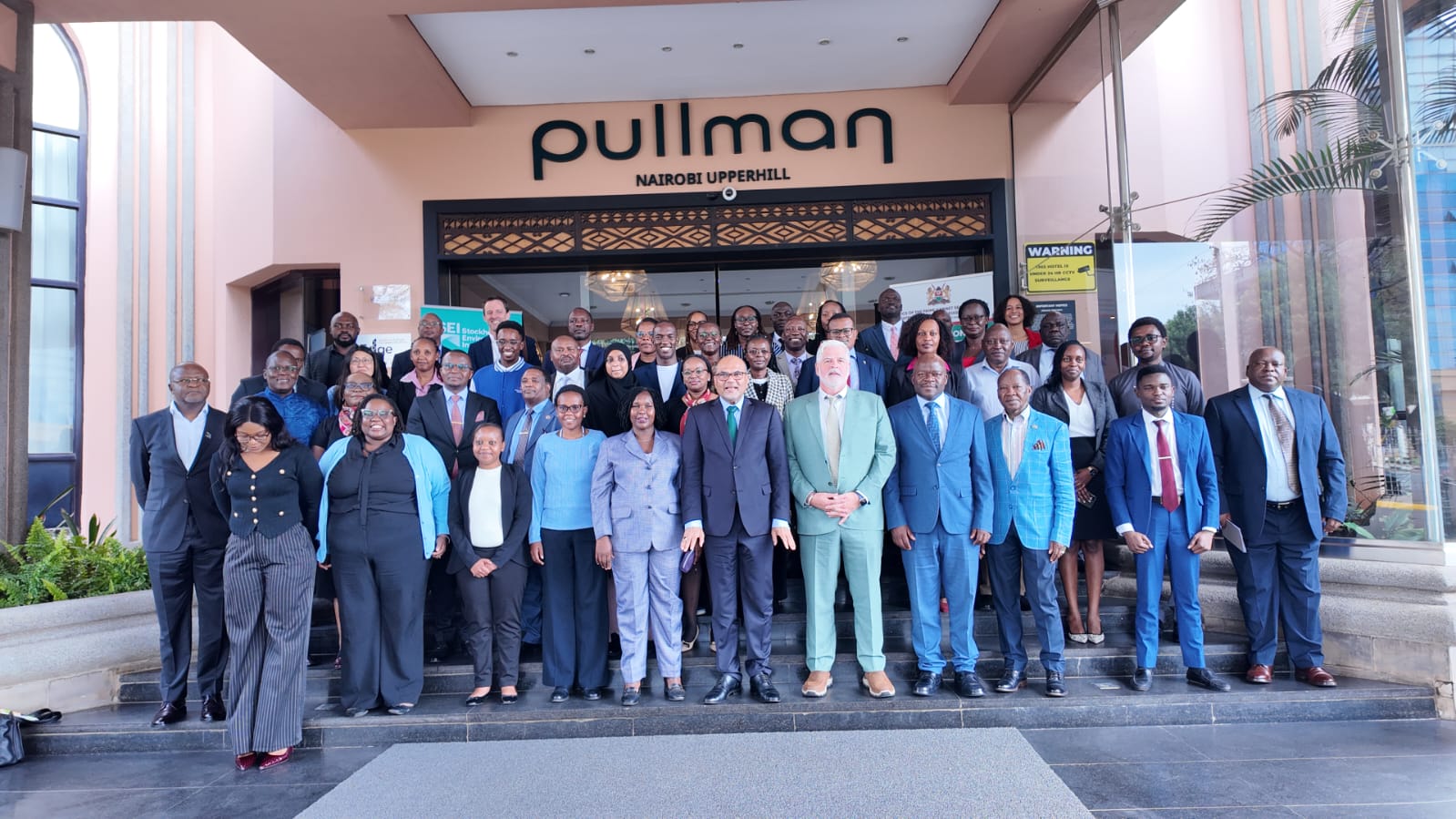
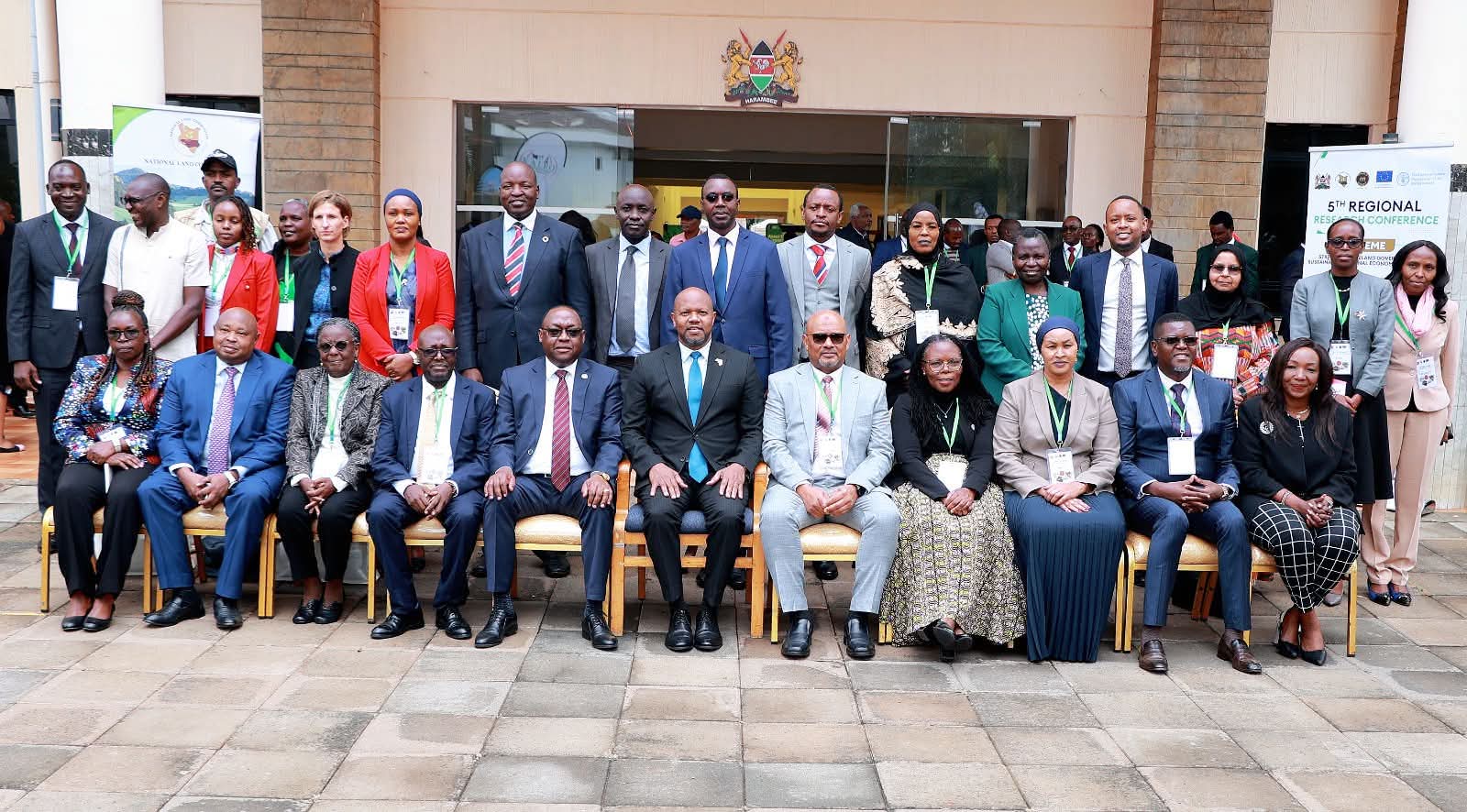
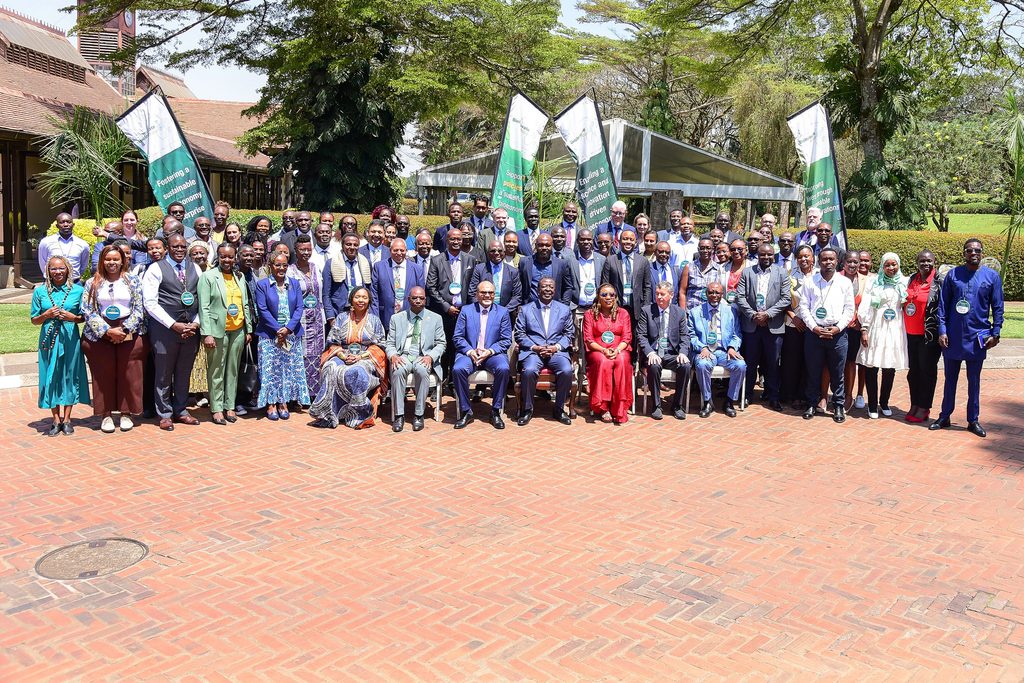
The launch brought together Government officials, researchers, universities, development partners, private-sector representatives, innovators, entrepreneurs and regional institutions.
Following the launch, Kenya becomes the fourth country in Africa to adopt a dedicated national bioeconomy strategy, after South Africa, Namibia and Ethiopia.